2026 Best Semi Automatic Card Punching Sorting Machines?

Time:2026-09-10 Author:Amelia
0%

The 2026 market for a Semi-Automatic Card Punching And Sorting Machine is being shaped by stricter quality control, shorter production runs, and more customized card programs. Cards now require clean holes, accurate registration, consistent stacking, and traceable rejection handling. A small edge burr can jam a feeder or damage a finished card.

Industry forecasts support this direction. Grand View Research estimates that the global smart card market will continue expanding through 2030, supported by payment, identity, transportation, and access-control applications. MarketsandMarkets also projects steady growth in smart-card demand through 2028. These reports do not measure punching machines directly, but they indicate stronger demand for dependable card-converting equipment.

“Card security is a system property, not merely a chip property,” explains Peter H. N. Neumann, a recognized computer-security researcher. His point matters here. A reliable machine must protect process accuracy as well as production speed. For buyers comparing the best Semi-Automatic Card Punching And Sorting Machine options in 2026, practical details deserve attention: punching tolerance, sensor response, tool replacement time, sorting accuracy, noise level, and operator access.

Speed is not everything.

A machine rated for 4,000 cards per hour may perform differently with laminated cards, uneven stacks, or frequent size changes. That is where brochures become less convincing. Real production trials, sample-card testing, and service records reveal more than impressive specifications. The best choice may not be the fastest model. It may be the one that produces fewer rejects during a long, ordinary shift.
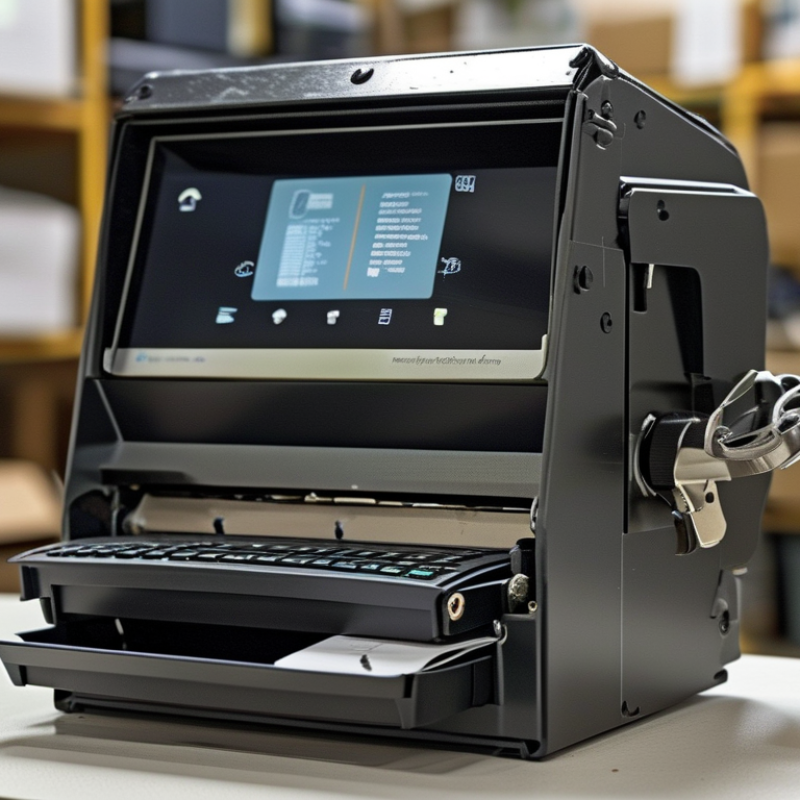
2026 Best Semi Automatic Card Punching Sorting Machines?

What Are Semi-Automatic Card Punching and Sorting Machines?

Semi-automatic card punching and sorting machines combine guided operator work with controlled mechanical processing. An operator places a small stack of cards into the feeding area. The machine then separates cards, punches designed holes or slots, and moves each card toward a sorting channel. Sensors check card presence, alignment, and basic dimensions during the cycle.

These machines suit facilities processing membership cards, identification cards, paper records, or other flat card materials. Their value comes from consistency. A stable guide rail can keep a punch within a narrow position range. Adjustable dies support different hole shapes and layouts. Sorting units may separate cards by size, punched pattern, thickness, or programmed destination. A clear collection tray also helps workers notice misfeeds quickly.

Practical operation still requires attention. Dust, curled cards, and uneven stacks can reduce accuracy. The operator may need to adjust pressure after changing materials. Small errors matter. A misplaced hole can make a card unusable. Regular checks should include punch sharpness, sensor response, feed alignment, and emergency stop function. Production records improve reliability because they reveal repeated jams or rejected batches.

The “semi-automatic” label can sound more advanced than the daily reality. Human loading remains important. Some cards still require manual inspection. That is not necessarily a weakness. It can provide useful quality control before cards leave the workstation. When selecting equipment for 2026, buyers should compare throughput, adjustment time, maintenance access, noise levels, and operator training requirements. A fast machine is not always the most practical machine.

How Semi-Automatic Card Punching and Sorting Machines Work

2026 Best Semi Automatic Card Punching Sorting Machines

Semi-automatic card punching and sorting machines combine manual loading with controlled mechanical cycles. An operator places a small stack into the feeder. Rollers separate each card, one at a time. The punching head then creates holes or slots at programmed positions. Sensors check card presence and punch alignment. A conveyor moves finished cards toward adjustable sorting lanes. The operator still removes packed batches and clears occasional jams.

Grand View Research estimated the smart card market at about USD 15.33 billion in 2023, with an expected 10.8% annual growth from 2024 to 2030. MarketsandMarkets projected a slower 6.9% growth rate through 2029. These figures describe card demand, not machine sales. That difference matters. It also shows why capacity claims need careful checking.

Tips: Match the feeder to your card thickness and surface finish. Ask for test runs using your actual cards. Check punch tolerance, reject-bin access, and cleaning time. A visible sensor window helps operators find dust early. In practice, even a fast machine can lose output after one misaligned guide. I have seen neat samples hide this problem. The setup looked simple. It was not. Semi-automatic equipment still depends heavily on operator training, maintenance records, and realistic batch testing.

Key Machine Types and Their Main Applications

2026 Best Semi Automatic Card Punching Sorting Machines?

Key Machine Types and Their Main Applications

Semi-automatic card punching and sorting machines serve different production needs. Flatbed punching machines suit plastic cards, paper cards, and short production runs. They deliver clean holes with controlled pressure, but operators must align each sheet carefully. Rotary punching machines work better for continuous batches and higher output. Vision-assisted sorting units inspect card position, color, code, or surface defects before stacking. Counting and stacking machines then separate finished cards into fixed quantities. These combinations support membership cards, access cards, game cards, sample cards, and packaging inserts.

Smithers’ Future of Global Packaging to 2028 report projects the global packaging market will exceed 1.2 trillion US dollars by 2028. This growth increases pressure for stable converting and inspection processes. However, that figure covers the wider packaging industry, not card machinery alone. Buyers should avoid treating broad market forecasts as guaranteed machine demand. In practice, substrate thickness, punching tolerance, feeding speed, and reject rates matter more than headline capacity. A machine rated for 3,000 cards per hour may perform lower with curled stock or mixed batches.

Tips: Test real materials before purchase. Measure hole accuracy, misfeed frequency, changeover time, and operator effort. ISO 9001-based records can improve traceability, but paperwork cannot replace hands-on trials. I would also reserve space for manual checking. Automation reduces repetitive work, yet imperfect vision settings still need experienced review.

2026 Best Semi-Automatic Card Punching and Sorting Machines

Typical rated throughput by machine type and its main application

Semi-automatic punching machines are suitable for short and medium production runs, while punching-and-sorting systems reduce manual handling during personalized card production. Rotary systems provide higher output for standardized card formats, and inspection-sorter lines are mainly used for quality control and final classification. Throughput figures are typical industry-rated ranges and vary with card material, thickness, punch pattern, operator loading time, and reject rates.

How to Compare the Best Machines for 2026

How to Compare the Best Machines for 2026

Comparing semi automatic card punching and sorting machines starts with measurable output, not attractive specifications. Check hourly capacity, punch accuracy, changeover time, and rejection rates. The International Federation of Robotics reported 541,302 industrial robots installed worldwide in 2023. This figure shows rising automation pressure, but a smaller operation may not need full automation.

Measure the machine beside your actual workflow. Feed a stack of cards, record alignment errors, and inspect sorted piles after one hour. Ask whether operators can adjust guides without tools. Safety guarding, emergency stops, noise levels, and cleaning access also deserve attention. PMMI industry research continues to identify labor availability and retention as important reasons for adopting automation. A machine that reduces repetitive handling can support this challenge, even with semi automatic loading.

Energy use needs a closer look. The U.S. Department of Energy reports that motor-driven equipment consumes a major share of industrial electricity, so compare motor ratings and standby consumption. Request test data under your card weight, thickness, and surface finish. Published capacity can look impressive. Real production may be slower. I would also compare spare-part availability, training time, warranty conditions, and service response. These details are less exciting, but they often decide the true cost. A short trial is valuable. Our first estimate may still be wrong.

Operating, Maintaining, and Safely Using These Machines

2026 Best Semi Automatic Card Punching Sorting Machines?

Operating, Maintaining, and Safely Using These Machines

Semi automatic card punching and sorting machines need steady handling, not rushed operation. Before starting, inspect the feed tray, punch area, rollers, and collection bins. Remove loose scraps from the work surface. They can affect alignment or enter moving parts. Confirm that guards are fitted and emergency stops respond correctly. Keep fingers away from the punching zone.

Load cards evenly, with the printed side facing the required direction. Use the machine’s approved card thickness and capacity. Overloading may cause skewed holes, double feeding, or sudden jams. Watch the first several cards. Small changes in sound often reveal trouble before a sensor does. Stop the machine before clearing a jam. Disconnect power when the guard must be opened.

Clean dust from sensors and rollers with suitable tools, following the maintenance instructions. Do not apply oil where the manual prohibits it. Check punch sharpness, belt tension, and fasteners on a planned schedule. Record faults, adjustments, and replaced parts. These notes help technicians identify repeated failures. In practice, operators sometimes ignore minor misfeeds because production pressure feels urgent. That habit needs correction. A ten-second stop can prevent damaged cards or hand injuries. Training should include supervised practice, clear signage, and a review of local workplace safety requirements. Even experienced users can miss a warning when the workspace is noisy.

FAQS

: What does a semi-automatic card punching and sorting machine do?

: An operator loads cards manually. Rollers separate them, one card at a time. The punch creates programmed holes or slots. A conveyor sends cards into sorting lanes.

How are cards checked during operation?

Sensors detect card presence and punch alignment. They can identify feeding problems early. However, dust or poor adjustment may reduce sensor reliability.

What cards can these machines handle?

Use cards within the approved thickness and capacity range. Surface finish also matters. Test your actual cards before regular production.

What should operators inspect before starting?

Check the feed tray, rollers, punching area, guards, and collection bins. Remove loose scraps. Confirm the emergency stop works correctly. Keep hands away from the punching zone.

How should cards be loaded?

Place cards evenly in the feeder. Keep the printed side facing the required direction. Avoid overloading. Too many cards can cause double feeding, skewed holes, or jams.

What should an operator do when a jam occurs?

Stop the machine before touching the jammed area. Disconnect power before opening a guard. Never pull cards from moving parts. A rushed response can damage cards or cause injury.

How can operators maintain reliable performance?

Clean dust from sensors and rollers with approved tools. Check punch sharpness, belt tension, and fasteners on a planned schedule. Do not add oil where instructions prohibit it.

What records should be kept?

Record misfeeds, adjustments, faults, and replaced parts. These notes can reveal repeated problems. Small errors deserve attention. Ignoring them may create larger failures later.

How can a buyer judge real machine capacity?

Request test runs with your own cards. Check punch tolerance, reject-bin access, and cleaning time. Watch the first several cards closely. A fast cycle means little if one guide misaligns. Capacity claims need careful checking.

Conclusion

This guide explores what a Semi-Automatic Card Punching And Sorting Machine is and how it combines controlled card punching with organized sorting in a streamlined workflow. It explains the main operating stages, including material feeding, positioning, punching, inspection, and classification, while highlighting how semi-automatic controls can improve consistency without removing the need for trained operators. The article also introduces common machine types and their practical applications in offices, production facilities, educational environments, and other settings that require accurate card processing.

To help readers identify the best equipment for 2026, the guide compares machines by punching accuracy, sorting capacity, operating speed, adjustment flexibility, safety features, maintenance requirements, user interface, and overall cost of ownership. It also outlines recommended operating procedures, routine cleaning, component inspection, safe handling, and troubleshooting practices. By considering workload, card materials, workspace, and future expansion needs, users can select a reliable solution that supports efficient, orderly, and safe daily operations.


Amelia

Amelia

Amelia is a seasoned marketing professional with a wealth of expertise in our company’s core offerings. With an unwavering passion for driving growth and innovation, she plays a pivotal role in shaping our marketing strategies and enhancing brand visibility. A key aspect of her responsibilities......