Choosing the right Semi-Automatic Punching And Creasing Machine can shape the speed, accuracy, and finish of every printed package. These machines are commonly used for folding cartons, presentation folders, cards, tags, and short-run commercial work. They combine controlled punching with precise creasing, helping operators prepare sheets for clean folding without investing in a fully automated production line.
This guide examines seven leading machines through practical criteria. We consider creasing depth, punching pressure, maximum sheet size, setup time, feeding stability, and operator access. Service support and spare-part availability also matter. A machine may look impressive in a showroom, yet perform poorly with heavy laminated stock or uneven paper. Real production details matter.
Small tests reveal a lot.
Experienced operators often check crease consistency across the sheet, especially near corners and narrow panels. They also listen for unusual vibration during repeated cycles. Safety guarding, emergency controls, and clear adjustment systems should never be treated as minor features. Reliable construction can reduce waste, but maintenance habits still influence long-term results.
No ranking is perfect. Workloads, materials, budgets, and workshop space differ widely. Some manufacturers provide excellent specifications, while practical performance can depend on training and installation quality. Therefore, the following selection should support careful comparison rather than replace hands-on testing. Requesting sample runs is sensible, particularly when your products use coated, laminated, recycled, or unusually thick stock. The best choice is not always the fastest model. It is the machine that delivers repeatable results, manageable operation, and dependable support for your actual workflow.
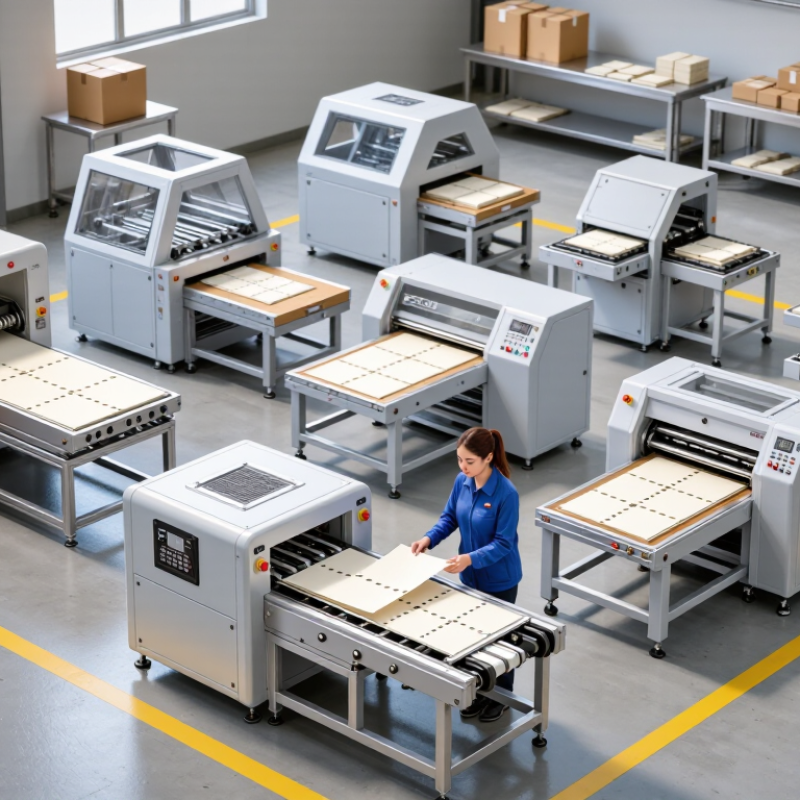
What Are Semi Automatic Punching and Creasing Machines?
Semi automatic punching and creasing machines process flat sheets into accurate packaging blanks. An operator feeds each sheet by hand. The machine then applies cutting, punching, or folding lines through a programmed die. Finished pieces usually exit onto a delivery table for inspection and stacking.
These machines suit folding cartons, paper cards, sleeves, tags, and short production runs. They reduce repetitive manual work without requiring a fully automated line. Grand View Research valued the global packaging machinery market at approximately USD 52.8 billion in 2023. Its report also forecasts continued growth through 2030. That expansion reflects stronger demand for efficient converting equipment, especially among smaller and mid-sized producers.
Operator control remains important. Moisture, paper grain, die pressure, and sheet alignment can change the result. A small misalignment may leave rough corners or weak crease lines. From practical production experience, setup time is often underestimated. A semi automatic machine is not simply “press and go.”
It still needs judgment.
The Smithers report, The Future of Global Packaging to 2028, identifies sustainability and material efficiency as major packaging priorities. Semi automatic equipment can support these goals by limiting setup waste and handling varied sheet sizes. However, savings depend on disciplined quality checks. Poor calibration can waste more material than it saves. The best results come from combining stable tooling, trained operators, and documented inspection routines.
How Semi Automatic Punching and Creasing Machines Work
How Semi Automatic Punching and Creasing Machines Work
A semi automatic punching and creasing machine combines manual feeding with a powered die-cutting cycle. An operator places each printed sheet against side and front lays. Registration matters here. A small shift can move a crease across printed text or weaken a folding edge.
The feeder transfers the aligned sheet into a platen station. A cutting forme carries sharp rules for outlines and blunt rules for creases. Under controlled pressure, the platen closes against a counterplate. Cutting rules separate the shape, while creasing rules compress paperboard into predictable folding channels. The sheet then moves to delivery, where an operator collects the finished blanks. Some machines also include waste stripping, but this depends on the configuration and job requirements.
Smithers’ The Future of Global Packaging to 2028 estimates the global packaging market will reach about 1.2 trillion dollars by 2028. Grand View Research also reports continued growth in packaging machinery demand through 2030. These figures explain the interest in flexible finishing equipment, especially for short and medium runs. Semi automatic systems can reduce repetitive hand work without requiring a fully automated line. Setup remains the difficult part. Operators must balance pressure, matrix depth, sheet grain, and tool condition. Too much pressure can damage the board. Too little pressure produces weak cuts. I have found that speed is not always the best measure. A slower, carefully registered run often creates less waste, though this judgment can change with every substrate.
Key Features for Comparing the Seven Best Machines
When comparing seven semi automatic punching and creasing machines, start with measurable production needs. Smithers’ The Future of Global Packaging to 2028 valued the global packaging market at about $1.17 trillion in 2023. That scale rewards consistent finishing, not impressive specifications alone. Record each machine’s maximum sheet size, punching force, creasing accuracy, and practical strokes per hour. Check samples with coated paper, corrugated board, and laminated stock. One machine may handle 4,000 sheets hourly, yet lose time during manual alignment. That matters.
Feeder design deserves close attention. A stable pile table, side guides, and simple jog controls reduce operator fatigue. Compare setup time between the seven models, including die changes and waste stripping. PMMI’s 2024 State of the Industry report continues to identify labor availability and automation as major packaging machinery concerns. Therefore, accessible controls and repeatable settings have real value. Safety interlocks, guarding, emergency stops, and documented maintenance procedures also separate professional equipment from merely powerful equipment. FEFCO industry statistics show Europe’s corrugated sector operating at enormous volumes, making uptime and material flexibility essential. Do not trust speed claims blindly. Actual output depends on board stiffness, waste shape, operator skill, and job complexity. I would also question whether a low-cost machine has dependable local service. That weakness is easy to overlook. A careful comparison should score productivity, accuracy, changeover time, energy use, operator safety, and after-sales support equally.
Seven Leading Semi Automatic Punching and Creasing Machines
Seven Leading Semi Automatic Punching and Creasing Machines
Semi automatic punching and creasing machines suit print shops handling cartons, folders, invitations, and short-run packaging. The seven leading types differ in working format, pressure, automation, and setup speed. A compact flatbed machine fits small studios. A mid-format model handles standard commercial sheets. A high-pressure unit works better with laminated board. A precision creasing machine reduces cracking on digital prints. A combination punching and creasing machine saves table space. A rotary-assisted model supports faster repetitive work. A wide-format machine serves larger packaging layouts.
In practical use, operators should inspect registration accuracy, die compatibility, feeding stability, and waste removal. A useful machine should process several sheets without shifting. Its controls must remain clear after hours of operation. Adjustable pressure matters when paper thickness changes. Safety covers and emergency stops are essential, not optional features. Noise also deserves attention, especially in smaller workshops. I have found that a fast setup can matter more than maximum pressure during short production runs.
Material testing should happen before full production. Recycled stock may compress differently from coated board. Digital toner can crack when the crease is too sharp. That detail is easy to miss. Operators should record sheet size, pressure, and die settings for repeat jobs. No machine performs perfectly on every substrate. A careful trial remains necessary, even with reliable equipment. One weakness is often overlooked: slow cleaning can gradually affect feeding accuracy. Regular maintenance protects both output quality and operator confidence.
7 Best Semi Automatic Punching and Creasing Machines
Comparison of representative semi-automatic punching and creasing machine configurations by maximum sheet width and nominal production speed. The figures reflect commonly published specifications for commercial equipment classes and exclude brand names.
Larger sheet capacity supports broader packaging and print formats, while higher nominal speed can improve throughput when the material, tooling, and operator workflow are properly matched.
How to Choose the Right Machine for Your Production Needs
Choosing among the seven best semi automatic punching and creasing machines starts with your actual production routine, not a brochure. Measure the largest and smallest sheet sizes you process. Check the board thickness, grain direction, and required crease depth. A machine that handles heavy carton board may perform poorly on delicate folding stock.
During production trials, run your own materials through each machine. Watch for cracked creases, uneven pressure, and wasted setup sheets. Ask how quickly operators can adjust the chase, stripping tools, and feeder. Keep samples from every test. They reveal problems that specifications often hide. Throughput also matters, but stable registration may matter more for short batches.
Review the control system and safety features carefully. Clear pressure adjustment, accessible tooling, and reliable sensors reduce operator fatigue. Confirm local service support, spare-part availability, and training quality before purchasing. Electricity requirements and floor space can change installation costs. Leave room for material loading and maintenance.
Do not judge performance from one successful sample. Test repeated runs. That matters. A semi automatic machine should match your future workload, not only today’s order list. If several operators will use it, choose a design with simple, repeatable settings. I would also record setup time honestly; small delays become expensive across thousands of sheets.
FAQS
It cuts, punches, and creates folding lines in flat sheets. An operator feeds each sheet by hand. Finished blanks usually move to a delivery table.
They commonly process folding cartons, paper cards, sleeves, tags, and similar packaging blanks. Material thickness and grain direction still matter. Delicate stock may crack under excessive pressure.
Yes, they can reduce repetitive manual work without requiring a fully automated line. They often suit small and mid-sized producers. Throughput may be less important than stable registration.
Check sheet alignment, die position, pressure, crease depth, and paper moisture. A small error can produce rough corners or weak folding lines. Setup is not simply press and go.
Run your own materials through repeated production trials. Inspect cracked creases, uneven pressure, and setup waste. Keep samples from every trial. One successful sheet proves very little.
Clear pressure controls, accessible tooling, reliable sensors, and simple repeatable settings can help. Operators should adjust the chase and stripping tools without unnecessary difficulty. Keep controls understandable.
Confirm local technical support, spare parts, and operator training before purchasing. Check electricity needs and floor space. Leave room around the machine for loading and maintenance.
They may limit setup waste and handle different sheet sizes efficiently. However, poor calibration can waste more material than it saves. Regular inspections remain essential. I might underestimate this too.
Conclusion
This guide explores the essential role of the Semi-Automatic Punching And Creasing Machine in modern print finishing and packaging production. It explains what these machines are, how they combine punching and creasing processes, and how their semi-automatic operation can improve efficiency while maintaining flexibility for different materials and job sizes. Readers will also learn about important comparison points, including working speed, feeding accuracy, maximum sheet size, creasing quality, die compatibility, operator convenience, safety features, maintenance requirements, and overall value.
The article reviews seven leading machine options without focusing on brand names, highlighting the strengths and practical applications of each type. It concludes with a clear purchasing guide to help businesses select the most suitable equipment according to production volume, material requirements, available workspace, budget, and desired automation level. Whether used for packaging, cards, folders, or other paper-based products, the right machine can support consistent results, reduce manual effort, and create a more efficient finishing workflow.

 Wentong Machinery