Top 10 Benefits of Using an Automatic Punching Machine?

Time:2026-06-19 Author:Mason
0%

In the modern manufacturing landscape, the use of an Automatic Punching Machine has grown significantly. According to a recent report by Market Research Future, the global market for punching machines is expected to reach over $2 billion by 2025. This growth is fueled by the rising demand for precision and efficiency in production lines.

Automatic Punching Machines offer numerous advantages that can reshape operational strategies. They enhance productivity by automating tasks that were once manual, thereby minimizing human error. With these machines, businesses report a 30% increase in output. Furthermore, they reduce labor costs while consistently delivering high-quality results.

However, businesses must consider the initial investment and maintenance involved. Additionally, training staff to operate these machines effectively is crucial. Without proper training, potential benefits may not be fully realized. Thus, while the advantages are compelling, companies should weigh the challenges carefully before investing in an Automatic Punching Machine.
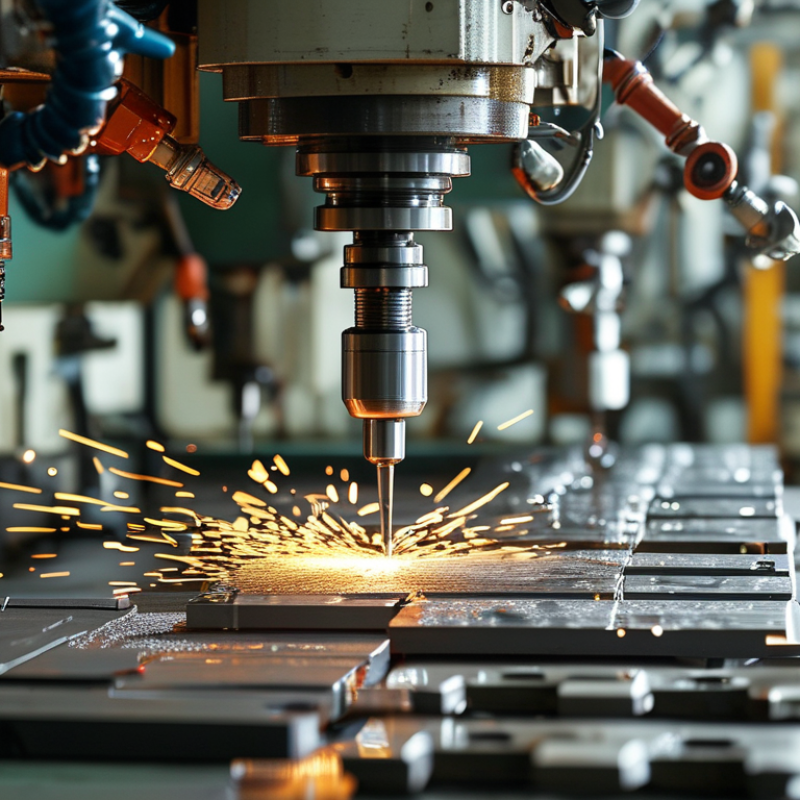
Top 10 Benefits of Using an Automatic Punching Machine?

Benefits of Improved Efficiency with Automatic Punching Machines

Automatic punching machines significantly enhance productivity in various industries. Their efficiency stems from streamlined operations. Unlike manual processes, these machines execute tasks rapidly and with consistent precision. For example, a machine can produce hundreds of punched materials in just a few hours, a feat that might take manual labor several days.

Moreover, the reliability of automatic punching machines minimizes errors. Human fatigue can lead to mistakes, resulting in wasted materials. Automated systems, however, operate with greater accuracy. They reduce the risk of costly errors, making them essential for businesses aiming for operational excellence. This change is evident in various sectors, from manufacturing to textiles, where speed and precision are paramount.

However, investing in automation may require upfront costs and training. It’s important for businesses to assess their specific needs and capabilities. Balancing the initial investment with long-term savings is key. Embracing technology can lead to remarkable progress, but careful planning is crucial. Organizations should remain open to feedback and adjustments to ensure optimal performance.

Top 10 Benefits of Using an Automatic Punching Machine

Benefit Description Impact on Efficiency
Increased Speed Automatic punching machines can operate at a higher speed than manual methods. Reduces production time significantly.
Higher Precision Offers consistent accuracy with every punch. Decreases material waste and rework.
Reduced Labor Costs Less manpower is needed to operate machinery. Lowered production costs overall.
Enhanced Safety Minimizes the risk of injuries associated with manual punching. Creates a safer working environment.
Flexibility Can be programmed for various designs and materials. Increases versatility in production capabilities.
Lower Maintenance Automatic machines tend to require less frequent maintenance. Fewer downtime instances, enhancing productivity.
Improved Workflow Integrates easily into existing production lines. Streamlines the overall manufacturing process.
Data Tracking Modern machines can log production data automatically. Facilitates better analysis for future improvements.
Energy Efficiency Designed to consume less power compared to older models. Reduces operational costs in the long run.
Scalability Easily adjustable for scaling production efforts. Supports growth without significant investment.

Reduction in Labor Costs through Automation in Punching Processes

Automatic punching machines offer a remarkable reduction in labor costs. Automating the punching process enables businesses to lower their workforce expenditures significantly. Human operators required for manual punching often involve salaries, training, and benefits. With machines, these costs diminish.

The efficiency of automatic machines is striking. They can operate continuously, reducing downtime significantly. Traditional methods can slow down when workers take breaks or need rest. Every minute saved in production boosts profitability. While the initial investment in machines may appear steep, the long-term savings are significant.

However, there are challenges to consider. Employees may feel threatened by automation, leading to potential unrest. Transitioning to machines requires training and adjustment for existing staff. A careful balance must be struck to ensure that human expertise remains valued. This blend of technology and human input can create an optimal environment for production efficiency.

Enhanced Precision and Quality Control in Punching Operations

Automatic punching machines offer remarkable enhancements in precision and quality control. These machines utilize advanced technology to ensure every punch is exact, minimizing errors in production. Each stroke is calculated, resulting in uniform shapes and consistency across multiple jobs. Operators can trust these machines to deliver reliable outcomes, reducing the likelihood of costly mistakes.

In addition to their precision, automatic punching machines enhance overall quality control. They can detect variations in material thickness or alignment, adjusting their operations accordingly. This proactive approach prevents defects, which could lead to time-consuming reworks. Operators no longer need to scrutinize every piece closely, as the technology ensures high standards are maintained.

Despite these advantages, challenges exist. Maintenance is critical to keep machines working optimally. Operators must be trained to handle errors or malfunctions promptly. There’s also the risk of over-reliance on automation, which can dull human skills. Balancing machine efficiency with human expertise is essential for continued success in punching operations. Consistent checks and training can help maintain this balance.

Top 10 Benefits of Using an Automatic Punching Machine

Increased Production Rates Supported by Industry Automation Trends

The rise of automation in manufacturing has transformed many processes, particularly with the introduction of automatic punching machines. These machines significantly increase production rates. They reduce manual labor and minimize human errors, leading to consistent output quality and efficiency.

Integrating automation can be challenging. Workers may need retraining for new technologies. This transition is critical for maximizing the benefits of an automatic punching machine. Embracing change boosts overall workflow but may require time for adaptation.

Tip: Evaluate how your team can adapt to new technology. Training sessions can ease the transition. Ensure you communicate the benefits clearly to encourage acceptance.

With better automation, you'll notice a marked improvement in production rates. However, it's essential to assess the initial investment against long-term gains. Look for ways to improve existing setups before jumping into upgrades. Not every aspect of automation is perfect, and reflections on current methods might uncover areas for cost-saving.

Lower Material Waste and Better Sustainability Practices in Manufacturing

The rise of automatic punching machines in manufacturing has transformed sustainability practices. With precise cutting, these machines drastically reduce material waste. According to a report by the International Journal of Manufacturing Science, companies have seen a 30% decrease in offcuts when using automated systems. This efficiency minimizes the environmental footprint of production.

Automatic machines also enhance material utilization. They can optimize layouts and adapt quickly to different materials. For instance, a recent study showed that manufacturers utilizing automatic systems achieved a 15% increase in material efficiency. This level of precision not only saves costs but also fosters a culture of sustainability in manufacturing practices.

However, there are challenges. Transitioning to automation requires upfront investments and staff training. Older machines may not integrate with modern technologies easily. Recognizing these gaps can help companies make informed decisions about upgrades. Embracing automation is not just about the initial benefits. It's about the broader impact on resource conservation and sustainable manufacturing for the long term.

FAQS

: What improvements do automatic punching machines offer in production?

: They enhance precision and minimize errors, ensuring every punch is exact and consistent across jobs.

How do these machines maintain quality control?

They can detect material variations and adjust operations, preventing defects and reducing rework time.

What are the training requirements for operators?

Operators must be trained to handle machines and troubleshoot errors to maintain optimal performance.

What risk is associated with over-reliance on automation?

Over-reliance can dull human skills, so balancing automation with human expertise is essential.

How do automatic punching machines benefit sustainability?

They reduce material waste and decrease environmental footprints, achieving significant efficiency improvements.

What challenges arise from transitioning to automation?

Upfront costs and training are barriers, and older machines may struggle to integrate with new technologies.

Can automatic machines adapt to different materials?

Yes, they optimize layouts and improve material utilization for various types of materials.

What overall impact can automation have on manufacturing?

It conserves resources and promotes sustainable practices, benefiting the environment long-term.

What kind of checks are necessary for these machines?

Regular checks and operator training ensure machines function properly and maintain high production standards.

Is maintenance important for automatic punching machines?

Yes, consistent maintenance is crucial for optimal performance and to prevent operational issues.

Conclusion

The use of an Automatic Punching Machine offers several significant benefits that enhance manufacturing processes. First and foremost, these machines dramatically improve efficiency by automating punching operations, which reduces the time taken for each task. Additionally, labor costs decrease as the need for manual intervention is minimized, allowing companies to allocate resources more effectively.

Furthermore, the precision of an Automatic Punching Machine ensures high-quality control, leading to consistent product standards and minimizing errors. These machines align with current industry automation trends, supporting increased production rates that meet growing market demands. Finally, they contribute to sustainability efforts by lowering material waste, thereby promoting better environmental practices in manufacturing. Overall, the adoption of Automatic Punching Machines represents a strategic investment for modern manufacturing operations.


Mason

Mason

Mason is a seasoned marketing professional with a deep expertise in the company's offerings and a passion for driving brand awareness. With a strong background in digital marketing strategies, he has an innate ability to connect with diverse audiences and effectively communicate product benefits.......