In the fast-evolving world of manufacturing, the demand for efficiency is crucial. The market for Automatic Card Punching And Sorting Machines has seen remarkable growth, projected to reach USD 1.5 billion by 2026, according to industry reports. This surge highlights the importance of automation in speeding up production processes while reducing labor costs.
These machines are designed to enhance accuracy and efficiency in card production. They can operate at speeds of up to 1,000 cards per minute, significantly outperforming manual systems. However, not all solutions are created equal. The selection of an appropriate machine involves understanding specific requirements and potential limitations, such as maintenance costs and adaptability to various card types.
Investing in the right Automatic Card Punching And Sorting Machine is essential for businesses aiming for cost efficiency. However, it is crucial to conduct thorough research and possibly seek expert advice. Each machine's performance may vary based on several factors, and understanding these nuances leads to better decision-making. The key lies in balancing automation with the unique needs of production.
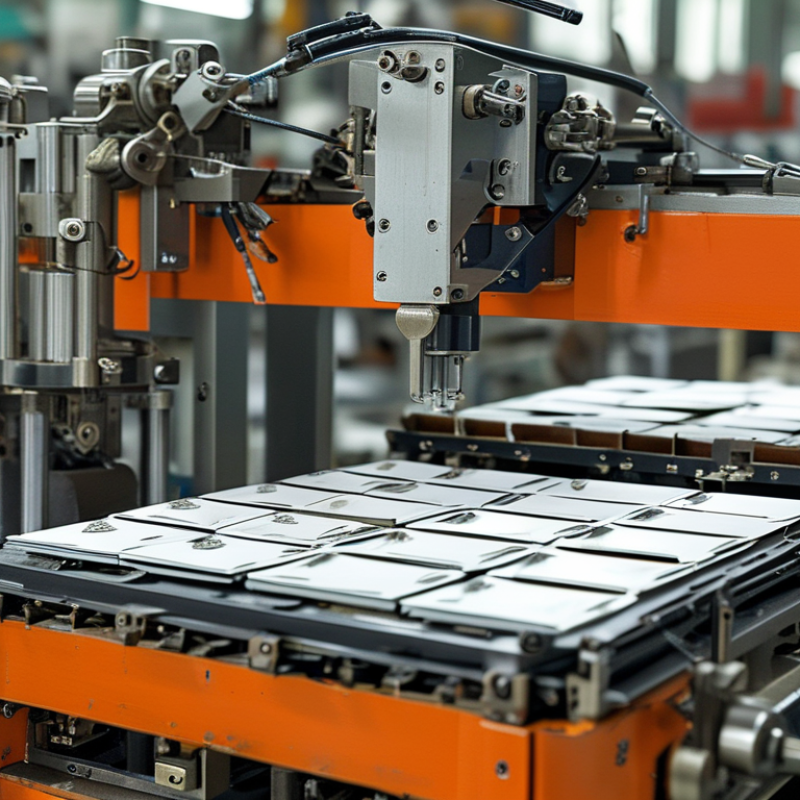
Overview of Automatic Card Punching and Sorting Machines in China
Automatic card punching and sorting machines represent a vital segment of China's manufacturing landscape. These machines streamline processes in various industries, enhancing efficiency and precision. According to the China Machine Tool & Tool Builders' Association, the market for automatic card machines has grown by approximately 15% annually, reflecting increasing demand for automation and improved productivity.
Despite the advantages, challenges remain in their implementation. Many manufacturers face difficulties in integrating these machines into existing workflows. For example, inconsistencies in card specifications can lead to frequent jams and operational downtime. This highlights the importance of consistent quality control measures and real-time monitoring systems. Furthermore, data from the National Bureau of Statistics shows that only 30% of companies employ advanced sorting technologies, which may indicate gaps in technical expertise or investment reluctance.
The innovation in automatic card punching and sorting technology is ongoing. Companies are now exploring smart features, such as artificial intelligence-driven sorting systems. However, not all firms can adapt quickly, as the initial costs may hinder startups. Continuous assessment of industry trends and user feedback is essential in developing solutions that can enhance productivity while addressing existing challenges in the market.
Key Features of the Best Card Punching and Sorting Machines
When considering the best card punching and sorting machines, key features stand out.
Efficiency is paramount. These machines can process thousands of cards per hour with precision.
The ability to handle multiple card sizes is essential. This flexibility caters to various production needs.
Integration with software systems enhances usability. Users can monitor production in real-time.
This feature allows for immediate adjustments. Moreover, automated sorting functions reduce manual labor.
However, some may find these systems complex to operate initially. Training is crucial to overcome any learning curves.
Durability is another vital aspect. High-quality construction ensures long-term operation with minimal downtime.
Yet, maintenance can be a concern. Regular check-ups are necessary to prevent unexpected failures.
The balance between performance and upkeep is an area for continuous improvement. Ultimately, the best machines provide high output and reliability,
while also posing challenges that companies must address. The pursuit of automation in card punching and sorting is evolving, prompting ongoing reflection and enhancement.
Popular Manufacturers of Card Punching Machines in China
When exploring automatic card punching machines in China, it's essential to recognize the array of manufacturers contributing to this field. These companies showcase a mix of advanced technology and practical design approaches. Many manufacturers focus on high efficiency and cost-effectiveness, with machines capable of handling various materials. Detailed specifications often include speed rates and precision metrics, vital for meeting diverse business needs.
However, not all manufacturers maintain consistent quality. It’s important to research the reputation of each company. Some machines may have limitations in their designs, leading to downtime or maintenance issues. Users often report challenges with software interfaces, making training more complex than anticipated. Experienced users suggest that thorough initial assessments and pilot runs can help mitigate these risks.
While many manufacturers claim superiority in automation, the reality is nuanced. Some companies may offer better support services, ensuring operational longevity. Others may excel in customization options, catering to specific industry requirements. Exploring user feedback can reveal insights into reliability and performance that marketing materials may overlook.
Applications of Automatic Card Punching and Sorting Solutions
Automatic card punching and sorting solutions play a vital role in various industries. These machines streamline the process of producing ID cards, access cards, or gift cards, showcasing their versatility. They can punch out precision shapes and sizes, tailored for specific applications. Businesses see increased efficiency and consistency when using these machines, minimizing human error significantly.
In sectors like education and security, these automated systems are invaluable. They ensure quick production cycles, enabling institutions to issue cards swiftly. Security forces benefit from consistent card quality, improving access control measures. However, companies must also address potential maintenance challenges and the learning curve for operators.
Improving these systems requires regular feedback and innovation. Users must assess their needs and adapt their processes continuously. Embracing automation is not without its complexities, yet the advantages often outweigh the drawbacks. Regular updates in technology can enhance functionality and interoperability, leading to a more seamless experience.
China Best Automatic Card Punching And Sorting Machine Solution? - Applications of Automatic Card Punching and Sorting Solutions
| Machine Model |
Punching Speed (cards/min) |
Sorting Technology |
Automation Level |
Power Consumption (kW) |
Applications |
| Model A |
120 |
Optical Sorting |
Fully Automatic |
5.5 |
Bank Cards, ID Cards |
| Model B |
100 |
Mechanical Sorting |
Semi-Automatic |
4.0 |
Loyalty Cards, Gift Cards |
| Model C |
150 |
Digital Sorting |
Fully Automatic |
6.0 |
Membership Cards, Business Cards |
| Model D |
80 |
Hybrid Sorting |
Manual Assistance |
3.5 |
Sample Cards, Promo Cards |
Future Trends in Card Processing Technologies in China
In recent years, card processing technologies in China have evolved rapidly. Automated card punching and sorting machines are at the forefront of this transformation. These machines enhance efficiency by accurately sorting cards based on varied parameters. They significantly reduce human error, which is crucial in high-volume settings. Many businesses are exploring these advanced solutions to streamline operations.
However, the journey is not without challenges. Integrating new technologies requires careful planning and training. Some companies struggle to balance automation with skilled labor. They often question how much autonomy to give machines without compromising quality. Additionally, the cost of acquiring cutting-edge equipment can be a barrier for smaller businesses.
As technology progresses, trends indicate a shift toward smarter machines. Future developments may include AI-driven systems that learn from data over time. These advancements promise to further refine card processing capabilities. Yet, businesses must approach this evolution thoughtfully. Assessing long-term investment versus immediate gains is critical. The industry is poised for change, but reflection on challenges remains essential.
Conclusion
The article "China Best Automatic Card Punching And Sorting Machine Solution?" provides a comprehensive examination of the landscape of automatic card punching and sorting machines in China. It begins with an overview of these machines, highlighting their importance in enhancing efficiency in card production processes. The discussion includes key features that define the best models, such as speed, precision, and integration with sorting technologies. Additionally, the article explores the primary applications of these machines across various industries, emphasizing their role in improving operational workflows.
Looking towards the future, the article identifies emerging trends in card processing technologies, including advancements in automation and digital integration, which are expected to further revolutionize the card manufacturing sector. Overall, the insights presented reflect the significant impact of Automatic Card Punching And Sorting Machine solutions on the efficiency and productivity of card production in China.

 Wentong Machinery