When selecting an Automatic Punching Machine, it's crucial to understand your specific needs. The right machine enhances productivity and accuracy in various applications. Each industry has distinct requirements, making it essential to evaluate different models thoroughly.
Consider the materials you'll work with. Some machines excel with specific materials, while others offer versatility. You might find that the features you initially prioritze do not align with your actual needs. For instance, speed and punch capacity could matter more than brand reputation.
Quality and reliability are vital, but don't overlook the cost. A low-priced option may lack the durability needed for long-term use. Investing in an Automatic Punching Machine should balance affordability and high performance. Reflect on your choices carefully to avoid potential pitfalls and ensure lasting satisfaction.
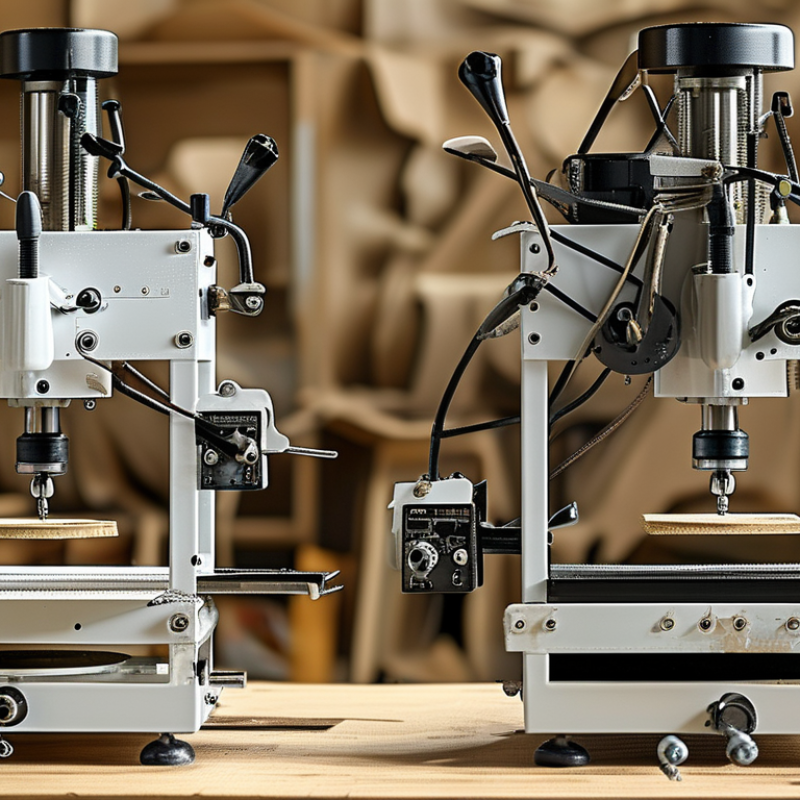
Understanding your punching needs and specifications is crucial when selecting an automatic punching machine. A well-defined requirement can enhance operational efficiency. Industry reports indicate that up to 70% of businesses face challenges in pinpointing their exact needs, leading to suboptimal equipment choices. Assess the materials you will punch, such as paper, cardboard, or plastics. Each requires different force levels and die configurations.
Consider production volume as well. A machine capable of 2,000 punches per hour may look appealing, but if your demand is only 500, it’s unnecessary. Evaluate your space too—some machines require more room than others, affecting workflow and efficiency. Take time to compare specifications. The power source, speed, and user-friendliness should align with your production goals.
Punching machines can sometimes lead to errors or wear and tear. Regular maintenance helps. High-performance machines reduce manual work but can be complicated. It’s essential to weigh the pros and cons. Finding a balance between efficiency and ease of use will yield the best results. Manufacturers may provide insights into expected performance, which can guide your choice effectively.
| Dimension | Specification | Notes |
|---|---|---|
| Punching Capacity | Up to 30 sheets (20 lb bond) | Consider your average workload |
| Punching Speed | Up to 20 punches per minute | Higher speeds mean better efficiency |
| Paper Size Compatibility | Letter, A4, Legal | Choose a model that fits your document sizes |
| Adjustability | Multiple hole sizes and spacing options | Versatility for different types of documents |
| Ease of Use | User-friendly controls and setup | Look for intuitive interfaces |
| Power Source | Electric or Manual | Choose based on your workspace setup |
When selecting an automatic punching machine, certain key features warrant careful consideration. The machine's punching speed is vital. A faster speed can boost productivity but may compromise precision. Ensure you find the right balance for your specific workload.
Another important aspect is the machine's versatility. Machines that can handle various materials offer more flexibility. Look for models that can accommodate different paper sizes and types. This adaptability can save time and reduce the need for multiple machines.
Tips: Assess your frequent punching tasks. If your projects involve various materials, prioritize a machine with adjustable settings. Also, consider ease of maintenance. A machine that requires frequent repairs can hinder efficiency.
Additionally, check the safety features. Automatic machines can be hazardous if not properly equipped with guards and emergency stop functions. Prioritize models that offer enhanced safety measures.
Understanding your specific needs will guide your choices and minimize overspending on unnecessary features. Engaging with experts can provide deeper insights into the latest technologies and support informed decision-making. Look for reliable sources for feedback on potential models, as real-world experience matters.
When selecting an automatic punching machine, assessing its reliability is crucial. A machine's longevity often reflects its build quality. Machines made with sturdy materials typically endure wear and tear better. Look for details like reinforced frames and high-grade components. These features contribute to consistent performance over time.
Testing a machine's functionality before purchase is advisable. Evaluate the ease of use and maintenance requirements. Complex systems may offer advanced features but could lead to more frequent breakdowns. Ensure that the machine has a straightforward interface and accessible parts for repairs. This practicality can save time in a busy production setting.
Reflecting on user feedback is beneficial. Many operators share insights about their experiences with different machines. Observing patterns in reviews helps identify common reliability issues. Some users may overlook maintenance needs, which can skew perceptions of a machine's quality. Regular upkeep is essential to maintain optimal performance and extend lifespan.
When evaluating different brands of automatic punching machines, key factors emerge that can guide your selection. The Global Market Insights report indicates a significant trend toward automation in manufacturing. Recent data reveals that the demand for advanced punching machines is expected to grow by 5.8% annually through 2027. This growth reflects a shift towards efficiency and precision.
Brand differentiation is evident in machine capabilities. Some models excel in speed, offering punch cycles within 1 second. Others focus on versatility, capable of handling various materials. For example, machines that accommodate steel, plastic, and composites appeal to diverse industries. It’s critical to assess your specific need: whether you value speed over versatility or vice versa. Be aware that while high-speed models appear attractive, they might compromise on precision, especially with intricate designs.
Investigating customer reviews also provides invaluable insights. Feedback often highlights the learning curve associated with sophisticated models. While some users appreciate advanced features, others struggle with the initial setup. Reliable user experiences often reveal potential challenges with long-term maintenance. It is essential to consider such reflections while weighing your options. Balancing features against your operational requirements will lead to a more informed choice.
Choosing an automatic punching machine can be daunting. The cost often weighs heavily on decision-making. A low initial price may seem attractive, yet it’s important to evaluate long-term benefits. Cheaper options might lead to higher maintenance costs. Look for a machine that balances cost with quality and reliability.
Consider your production volume and specific needs. A machine with higher output capacity may be initially pricier, but can save money in the long run by reducing labor costs. Energy efficiency is another crucial factor. Machines that consume less power can significantly lower operational costs. These factors contribute to a wise investment.
It’s essential to reflect on potential drawbacks. A high-tech machine may require specialized training. This could lead to short-term inefficiencies. Always assess your team’s capabilities before making a purchase. Make sure the machine you choose aligns with your organization's skills. This way, you can avoid complications down the line. Evaluate all these aspects thoroughly to ensure the best choice for your needs.
: Assess materials like paper or cardboard. Each demands different force and configurations.
Calculate your needs. If you only need 500 punches, don’t invest in a 2,000 punches per hour machine.
Some machines require significant room. Consider space to ensure workflow isn't disrupted.
Fast machines boost productivity but may lower precision. Find a balance for your workload.
A machine handling various materials saves time and the need for multiple machines.
Regular maintenance is crucial. High-performance machines can require more upkeep.
Ensure the machine has guards and emergency stops. Safety is paramount in automatic machines.
Understand your needs before purchasing. Consult with experts for guidance on necessary features.
Choosing the right Automatic Punching Machine involves a comprehensive understanding of your specific punching needs and the technical specifications that best suit your projects. It is crucial to identify the key features such as the speed, capacity, and automation level of various machines, which can significantly impact your efficiency and productivity. Additionally, evaluating the reliability and build quality ensures that your investment will last and perform effectively over time.
When comparing different brands and models, focus on their performance reviews and user feedback to gauge their effectiveness in real-world applications. Finally, assess the cost versus benefits to make an informed decision that aligns with your budget while meeting your operational requirements. By carefully considering these factors, you can select the most suitable Automatic Punching Machine for your needs, maximizing your investment in the long run.

Wentong Machinery