Choosing the right conveying machine can be daunting. Many factors influence the best option for your needs. It's essential to assess your materials and workflow. Understanding these elements helps in making informed decisions.
Conveying machines vary widely in design and function. Some are built for heavy materials, while others cater to delicate items. You must understand your specific requirements. Consider factors such as capacity, distance, and material type. Each detail matters in your selection process.
Mistakes in choosing a conveying machine can lead to inefficiencies. Over-specifying can inflate costs unnecessarily. On the other hand, under-specifying may cause breakdowns. Balancing your needs with available options is crucial. This journey requires careful thought and reflection.
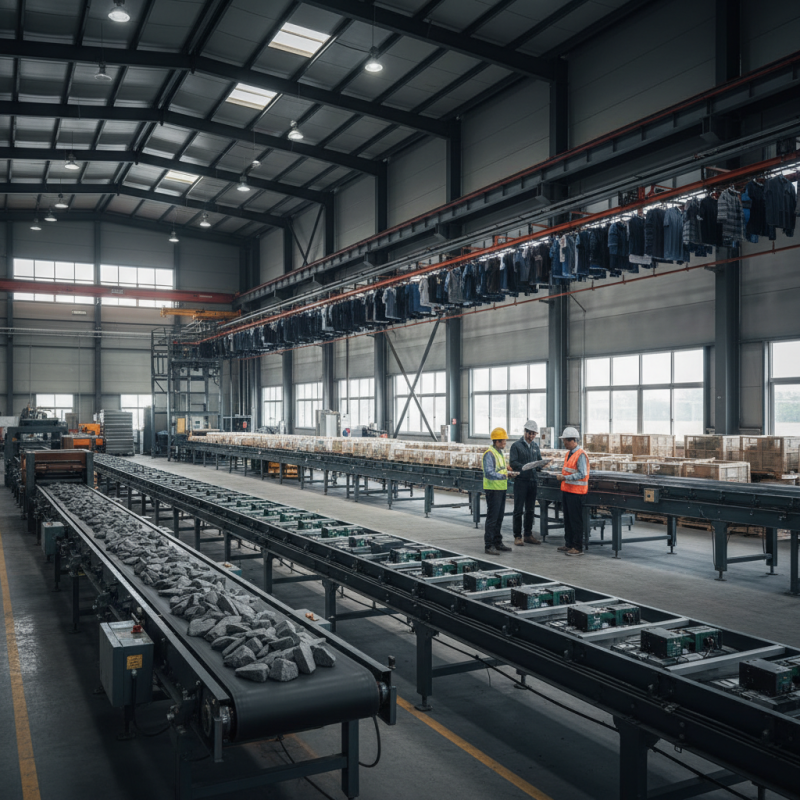
When selecting a conveying machine for your industry, several key factors come into play. Consider your specific materials. Different machines work better with various materials, like bulk solids or fragile items. The size and weight of your materials also matter. Make sure the machine can handle what you need to transport efficiently.
Tips: Assess the layout of your facility. A machine that fits well in your space can enhance productivity. Pay attention to the conveyor speed, as this affects your overall workflow. A faster machine might seem better but can lead to more errors and material damage.
Another essential factor is maintenance. Some machines require regular upkeep while others are more user-friendly. Understanding the cost and frequency of maintenance is crucial for long-term efficiency. Ask around for insights on reliability. Unreliable machines can lead to downtime, affecting production schedules.
Tips: Consider your team’s experience. Operators must be trained to handle the equipment safely. A machine could be perfect, but if your team doesn't understand it, issues will arise. Always prepare for unexpected challenges, as even the best machines can't solve every problem.
When selecting a conveying machine, understanding the various types available is crucial. Different applications require specific features. For instance, belt conveyors are widely used in material handling. They can transport bulk materials over long distances. According to a recent industry report, 40% of manufacturers prefer belt conveyors due to their versatility and cost-effectiveness.
Another popular option is the screw conveyor. This type excels in moving granular or powdered materials. It efficiently prevents backflow and is often used in food production and agriculture. However, it's essential to note that screw conveyors can struggle with large bulk densities. This limitation might necessitate a thorough assessment of machine capacity and design before purchase.
Lastly, chain conveyors provide robust solutions for heavy loads. They are frequently seen in automotive manufacturing and assembly lines. While effective, they can be more expensive to maintain. Buyers should weigh the initial costs against long-term operational efficiency. Understanding these nuances is vital to ensuring the right choice for specific operational needs.
| Type of Conveying Machine | Main Applications | Advantages | Limitations |
|---|---|---|---|
| Belt Conveyor | Transporting bulk materials like grain, coal, and aggregates | Flexible design, high efficiency, and easy maintenance | Limited to flat surfaces, and materials can spill |
| Roller Conveyor | Moving items like boxes and pallets in warehouses | Robust and can handle heavy loads, easy to expand | Requires a powered source, limited in handling small items |
| Screw Conveyor | Moving granular or semi-solid materials like powders | Compact design and efficient for bulk materials | May cause material damage, and limited to specific materials |
| Chain Conveyor | Transporting heavy loads and pallets in manufacturing | Durable and suited for heavy items | Less flexible and high maintenance costs |
| Pneumatic Conveyor | Moving materials in powder or granule form using air | Ideal for clean and dust-sensitive environments | High energy consumption and costly installation |
When selecting a conveying machine, assessing the material handling capacity and speed is crucial. Different industries have unique operational needs. For instance, a food processing plant may require a conveyor that can handle delicate items gently. Meanwhile, a warehouse might need a robust system for bulk materials.
Understanding the specific capacity is vital. Calculate the weight and volume of the materials frequently moved. This will help in choosing a machine that can handle the loads efficiently. It's easy to underestimate requirements or choose a machine that doesn't perform adequately under pressure.
Tip: Regularly evaluate operational needs. Adjustments in processes can affect loading and speed requirements.
Speed also plays a key role in productivity. For instance, a high-speed conveyor might be ideal for assembly lines but could lead to handling issues with fragile items. Compromising on speed for safety often results in better long-term performance.
Tip: Test different speeds during trials. This ensures that the chosen conveyor aligns well with your operational dynamics.
Remember that while newer technologies often promise enhanced performance, they may not suit every application. Thorough evaluation is key.
Investing in conveying equipment can be a significant decision for any business. A sound cost-benefit analysis is essential to ensure you're making the right choice. According to industry data, the global conveyor system market is expected to reach $7.3 billion by 2027, indicating a growing demand. This trend highlights the importance of selecting the right equipment to maximize efficiency.
When assessing your needs, consider the initial purchase cost versus long-term operational efficiency. A recent analysis shows that businesses can reduce material handling costs by up to 30% with proper equipment. However, it's crucial to acknowledge that integrating new conveyors can disrupt workflows. Conducting a thorough risk assessment will help mitigate potential issues.
Maintenance costs are another critical factor. Annual maintenance can account for 10-15% of the initial investment. Yet, reliable equipment often leads to greater productivity, resulting in potential savings. Remember, not every solution fits all. Tailoring your choices based on your specific operations will yield the best results. Additionally, be mindful of your facility's unique constraints.
Choosing the right conveying machine involves understanding safety standards and regulatory compliance. These factors play a critical role in the effectiveness and reliability of the system. Compliance with safety standards protects both the equipment and the workforce. It also ensures smooth operation, avoiding costly downtime.
Before selecting a conveying system, consult relevant standards. This varies by industry and location. For instance, ANSI, OSHA, and ISO may have specific guidelines. Evaluate the machine's design to mitigate risks. Guarding, emergency stops, and alerts are essential features. Pay attention to load limits and operational speed as well.
By focusing on safety, you enhance the overall system integrity. Ignoring compliance can lead to accidents and legal issues. Regularly review practices, and keep an eye on updates in regulations. This proactive approach fosters a safer work environment. Always remember, the right machine not only conveys materials but also prioritizes safety.
: Common types include belt conveyors, screw conveyors, and chain conveyors. Each serves different purposes.
Belt conveyors are versatile and cost-effective. They transport bulk materials efficiently over long distances.
Screw conveyors excel in moving granular or powdered materials. They prevent backflow effectively in food production.
Screw conveyors can struggle with large bulk densities. A capacity assessment is crucial before purchase.
Chain conveyors are often used in automotive manufacturing and assembly lines, handling heavy loads efficiently.
Consider the material handling capacity and speed requirements. Assess the weight and volume of materials regularly.
Speed affects productivity. High-speed conveyors may lead to handling issues with fragile items.
Test different speeds during trials. This helps align the conveyor with operational dynamics effectively.
Regularly evaluate operational needs as changes can impact loading and speed requirements significantly.
Yes, newer technologies promise enhancement but may not suit every application. A thorough evaluation is essential.
Choosing the right conveying machine is crucial for optimizing material handling in various industries. When selecting a conveying machine, several factors must be considered, including the specific needs of your industry, the types of conveying machines available, and their respective applications. It is also essential to evaluate the material handling capacity and speed requirements to ensure efficiency and productivity in operations.
Additionally, conducting a cost-benefit analysis can help determine the long-term value of investing in conveying equipment, while also ensuring compliance with safety standards and regulatory requirements. By carefully assessing these elements, businesses can make informed decisions that enhance their operational capabilities and maintain safety in their processes.

Wentong Machinery