What is an Electrostatic Dust Cleaning Machine and How Does It Work?

Time:2026-05-31 Author:Sophia
0%

In today’s fast-paced industrial environment, maintaining cleanliness is crucial. An "Electrostatic Dust Cleaning Machine" offers an innovative solution for effective dust management. According to the National Institute for Occupational Safety and Health (NIOSH), dust exposure can lead to respiratory issues and decreased employee productivity. This emphasizes the need for efficient cleaning technologies.

Electrostatic dust cleaning technology leverages the principles of electrostatics to attract and capture dust particles. Recent studies indicate that these machines can improve dust removal efficiency by up to 90%. This level of effectiveness is essential for industries such as manufacturing and electronics, where contamination can lead to significant product defects.

Despite the promising capabilities of these machines, challenges remain. Not all machines are designed for every environment, and efficiency may vary based on dust type and surface materials. Understanding these factors is vital in maximizing the benefits of the Electrostatic Dust Cleaning Machine and ensuring a safe working environment.
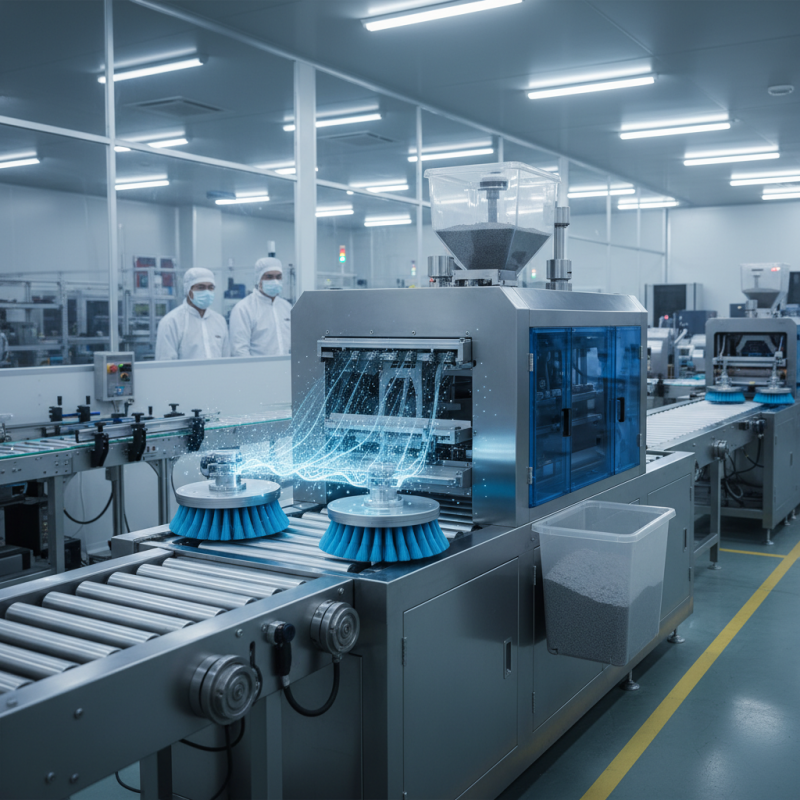
What is an Electrostatic Dust Cleaning Machine and How Does It Work?

What is an Electrostatic Dust Cleaning Machine?

An electrostatic dust cleaning machine is a specialized device designed to remove dust and particulate matter from various surfaces using static electricity. Unlike traditional methods that rely on mechanical action, these machines leverage electrostatic forces. When activated, they create a charge that attracts dust particles. This process is highly effective, especially in environments where cleanliness is critical, such as cleanrooms and manufacturing facilities.

Research indicates that electrostatic cleaning methods can reduce airborne dust by up to 90%. A study published by the Journal of Environmental Management highlights this technique's efficiency. In controlled tests, machines employing electrostatic principles significantly outperformed conventional vacuum cleaners. However, there are nuances. Electrostatic devices might not pick up larger debris as effectively. Users often report that specialized training is required to maximize effectiveness.

In industrial settings, the need for clean surfaces is paramount. Dust accumulation can lead to equipment failure or contamination. Thus, investing in reliable cleaning technology is essential. However, the reliance on electrostatic machines raises questions about their long-term impact on maintenance routines. Continuous evaluation and adaptation of cleaning processes remain crucial. Balancing effectiveness and practicality is key in ensuring these machines provide lasting value.

Principle of Electrostatic Dust Removal Technology

Electrostatic dust cleaning machines utilize the principle of electrostatic attraction to remove dust particles from various surfaces. This technology is based on the concept that particles with opposite charges attract each other. When dust is negatively charged, the machine generates a positive charge, effectively pulling the dust away. This principle ensures that even the tiniest particles are captured efficiently.

Using electrostatics offers several benefits. It reduces reliance on water or harsh chemicals. This can be vital for sensitive environments, where moisture can cause damage. Electrostatic dust cleaning is also efficient, saving time and energy during the cleaning process. The machine can operate on multiple surfaces, including fabric, wood, and metal. The versatility is impressive.

Tips: Regularly maintain the machine for optimal performance. Inspect the charge generation parts, and keep them clean. This ensures consistent charge output. Always use the machine in well-ventilated areas to prevent buildup of static electricity. As with any technology, it requires a learning curve. Some technique adjustments may be necessary for different environments. Consider how to adapt your methods for various surfaces.

Components of an Electrostatic Dust Cleaning Machine

Electrostatic dust cleaning machines utilize charged particles to effectively remove dust and debris from surfaces. These machines rely on several key components to function optimally. The first essential component is the charging electrode. This part emits an electrical charge, which ionizes the air around it. The ions then attract dust particles, making them easier to collect.

Another crucial component is the collection surface. This surface is often made from materials that enhance the adhesion of charged dust particles. The combination of charged particles and a suitable collection surface significantly improves dust removal efficiency. Operators must ensure that these surfaces are properly maintained, as a worn-out collection surface can diminish performance.

The control system is also vital. It regulates the electrical charge and monitors the cleaning process. However, users sometimes struggle with settings, leading to inconsistencies in cleaning effectiveness. Regular training and feedback can help address this issue. Additionally, the power supply must provide adequate voltage for consistent operation. Balancing sufficient power without causing damage is a continual challenge.

Process of Electrostatic Dust Cleaning in Detail

Electrostatic dust cleaning machines use electrical charges to attract and capture dust. The process begins with generating static electricity. This electricity creates an electromagnetic field that pulls dust particles toward the machine. Once attracted, these particles stick to a collection surface. This method is effective for both large and small debris.

During operation, the machine emits negative ions. These ions coat surfaces, causing dust to adhere more effectively. The electrostatic charge makes it easier to clean surfaces without the need for wet cleaning solutions. However, the machine requires regular maintenance to ensure efficiency. If neglected, its performance can diminish over time.

**Tips:** Keep the machine clean to maintain optimal performance. Check for dust build-up frequently. Adjust the ionic settings based on the surface type for best results. Regularly inspect for signs of wear or damage. These steps will enhance longevity and efficiency.

Benefits and Applications of Electrostatic Dust Cleaning Machines

Electrostatic dust cleaning machines offer effective solutions for maintaining cleanliness in various environments. These machines employ the power of electrostatics to attract and capture dust particles. The principle is simple: charged particles interact, pulling dust towards the cleaner. This method is not just efficient; it reduces the need for chemical cleaners. Many users appreciate this eco-friendly aspect.

In industrial settings, these machines excel at keeping equipment and surfaces clean. Factories and warehouses benefit from their ability to eliminate harmful dust, which can hamper operations. Additionally, they find applications in healthcare, where maintaining sterile environments is crucial.

However, some challenges exist. While electrostatic machines can effectively remove dust, they require regular maintenance. Users must ensure proper charging to maximize performance. This process can sometimes be overlooked, leading to dissatisfaction with results. Cleaning staff should be trained to recognize when machines are not performing optimally. A proactive approach to maintenance is essential for sustained effectiveness.

FAQS

: What does an electrostatic dust cleaning machine do?

: It removes dust from surfaces using static electricity. This method is different from traditional cleaning.

How effective are these machines?

Research shows they can reduce airborne dust by up to 90%. This is better than many conventional methods.

Does this machine work on all surfaces?

Yes, it can clean fabric, wood, and metal. However, users may need to adjust techniques for different materials.

Is special training needed to use it?

Yes, training helps users maximize the machine's effectiveness. Some find it challenging without guidance.

What are the maintenance requirements?

Regular maintenance is needed for optimal performance. Inspecting charging parts is vital to ensure consistent operation.

Are there any environmental benefits?

Yes, these machines reduce the need for water and harsh chemicals, making them eco-friendlier.

Can they remove larger debris efficiently?

No, larger debris may not be picked up effectively. Users should be aware of this limitation.

What challenges might users face?

Maintenance and proper charging can be overlooked, leading to performance issues. Training staff is important.

How do electrostatic forces work in cleaning?

The machine generates a positive charge that attracts negatively charged dust particles, pulling them away effectively.

Why is continual evaluation important?

Regularly assessing cleaning methods ensures long-term effectiveness and practicality of these machines in various settings.

Conclusion

An Electrostatic Dust Cleaning Machine is an advanced device designed to efficiently remove dust and particulates from various surfaces using electrostatic technology. The underlying principle relies on the electrostatic attraction between charged particles and the surfaces being cleaned. Key components include an ionizer that generates charged ions, a collection system to trap dust, and a control mechanism to manage the cleaning process.

The cleaning process involves creating an electrostatic field that attracts and binds dust particles to the collection mechanisms, ensuring thorough cleaning without relying on traditional methods. This technology offers numerous benefits, including enhanced cleaning efficiency, reduced water usage, and the ability to clean delicate surfaces without damage. Its applications span across industries, making the Electrostatic Dust Cleaning Machine a valuable tool in maintaining clean and safe environments.


Sophia

Sophia

Sophia is a dedicated marketing professional with an exceptional depth of knowledge about her company's products and services. With a keen understanding of market trends and customer needs, she crafts insightful blog posts that not only inform but also engage readers, enriching the company’s online......