Choosing the right semi-automatic punching machine is crucial for efficiency in manufacturing. According to a report by MarketsandMarkets, the global punching machine market is estimated to grow significantly, driven by increasing automation in production. This signifies the importance of selecting a machine that fits your specific needs, minimizing downtime and maintenance.
In recent years, companies have reported that machine failures often stem from poor selection. It's vital to identify the right features, such as speed and durability. A semi-automatic punching machine can offer enhanced productivity compared to manual options. However, not all machines are created equal. Each model may have unique specifications, which require careful evaluation.
Balancing cost and performance leads to better investments. While cheaper machines might save money upfront, they may result in higher costs later due to repairs. Reflecting on the machines’ capacity and their adaptability can prevent operational inefficiencies. Therefore, taking the time to assess your requirements can pave the way for a successful selection process.
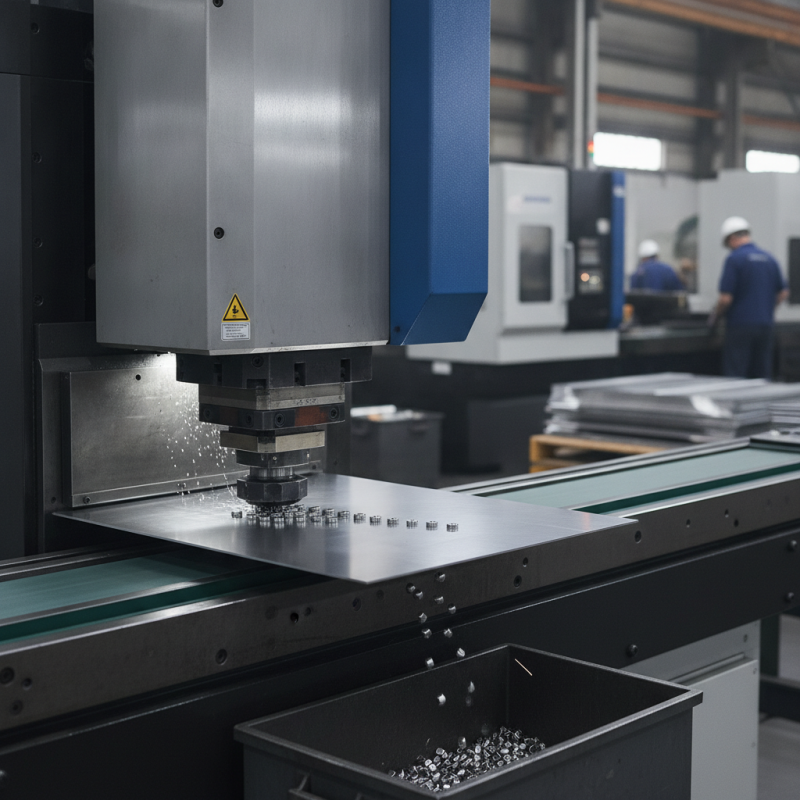
Understanding the Role of a Semi-Automatic Punching Machine in Manufacturing
In modern manufacturing, a semi-automatic punching machine plays a vital role. It streamlines production processes by increasing efficiency and reducing manual labor. This machinery is essential for handling repetitive tasks, making it easier for workers to focus on quality control and other important duties. The integration of semi-automatic machines enhances productivity in various industries, from textiles to automotive parts.
When choosing a semi-automatic punching machine, consider its capacity. The machine must meet your production demands without causing delays. Pay attention to the punch size and speed; these factors can influence the final output. Additionally, examine the machine's ease of use. A user-friendly interface can drastically improve efficiency and reduce training time.
Look into the maintenance requirements as well. Machines that are easy to maintain will save time and costs in the long run. Ensure that replacement parts are readily available. Consider your specific manufacturing needs and select a machine that fits those criteria. This thoughtful approach can lead to improved production flow and better end products.
10 Essential Tips for Choosing a Semi-Automatic Punching Machine
| Tip Number |
Tip Description |
Consideration |
| 1 |
Assess your production volume needs. |
Higher volumes may require more robust machines. |
| 2 |
Evaluate the size and type of the material. |
Different machines accommodate different material sizes. |
| 3 |
Look for machines with adjustable punching speed. |
Flexibility can improve efficiency across different jobs. |
| 4 |
Check for user-friendly interface and controls. |
Ease of use reduces training time and operational errors. |
| 5 |
Consider the maintenance and service options available. |
Regular maintenance is vital for longevity. |
| 6 |
Assess the power requirements of the machine. |
Ensure your facility can support the machine’s needs. |
| 7 |
Look for safety features and certifications. |
Safety should always be a top priority in manufacturing. |
| 8 |
Compare prices against features provided. |
Make sure you get value for your investment. |
| 9 |
Research warranty and replacement parts availability. |
Availability ensures quick repairs and reduced downtime. |
| 10 |
Seek reviews and testimonials from current users. |
User feedback can provide insights not found in specifications. |
Key Features to Consider When Selecting a Semi-Automatic Punching Machine
When choosing a semi-automatic punching machine, several key features demand attention. The material used in construction is crucial. High-quality steel often enhances durability and performance. Look for machines with robust frames that can withstand continuous use. Dimensions matter too; ensure the device fits your workspace and suits your production needs.
Another critical aspect is the ease of operation. User-friendly controls can significantly impact efficiency. Machines with intuitive interfaces save time during setup. Additionally, consider punch speed. A faster machine boosts productivity but requires careful calibration for precision. It’s essential to balance speed with accuracy.
Maintenance requirements should not be overlooked. Machines requiring frequent parts replacement can lead to downtime. Investigate the warranty and after-sales support offered. Often, comprehensive support is a sign of manufacturer reliability. Regular maintenance schedules foster long-term functionality and reduce unexpected repairs. Consider the machine’s specifications against your requirements, and reflect on your actual usage scenarios. This helps in making an informed decision.
Performance Comparison of Semi-Automatic Punching Machines
This chart illustrates the performance metrics of three different semi-automatic punching machines. The key features compared include speed (pulses per minute), power consumption in watts, weight in kilograms, cost in dollars, and warranty period in years. This data helps in making informed decisions when selecting a suitable semi-automatic punching machine.
Evaluating Production Capacity: How Many Punches Per Minute is Optimal?
When selecting a semi-automatic punching machine, production capacity is crucial. The number of punches per minute (PPM) determines overall efficiency. Industry reports suggest that an optimal PPM ranges from 300 to 800, depending on material type and thickness. For instance, lighter materials achieve higher PPM rates, while thicker substrates generally result in slower operations.
However, it's essential to balance speed and precision. A machine running at peak capacity may compromise on accuracy. It’s vital to review the machine's specifications and the types of jobs you’ll undertake. An overly ambitious speed could increase wear and tear, leading to higher maintenance costs. According to industry experts, maintaining a speed of around 600 PPM is effective for most applications without sacrificing quality.
Reflection on operational throughput is also important. Operators should regularly evaluate if their chosen PPM meets production goals. Data from a recent survey revealed that 25% of manufacturers experienced delays due to mismatched PPM rates with production needs. This misalignment stresses the need for a thorough assessment before finalizing a machine choice. Careful consideration of PPM not only boosts efficiency but also aligns with your business objectives.
Assessing Material Compatibility and Thickness for Efficient Punching
Choosing the right semi-automatic punching machine involves careful consideration of material compatibility and thickness. Different materials react in unique ways under pressure. For instance, metals might require a different punching force compared to softer materials like plastic. Evaluating the specific material properties is crucial. Each type may have unique challenges during the punching process.
Thickness plays a pivotal role in efficiency. Thinner materials are often easier to punch but may lead to issues with accuracy. A thick material, while durable, may demand more power. This can strain the machine and reduce its lifespan.
Signs of struggle include increased noise or uneven cuts. Testing various thicknesses on a small scale can help identify the optimal settings.
It's not uncommon to overlook these details in the purchasing process. Many users have reported frustrations due to inadequate compatibility. The right machine should perform consistently across different materials without excessive wear.
If issues arise, reviewing the material and thickness choices is essential. This reflection can lead to better decision-making and improved results over time.
Cost-Benefit Analysis: Initial Investment vs. Long-term Efficiency Savings
When considering a semi-automatic punching machine, the cost-benefit analysis is crucial. The initial investment can be significant, often ranging from $20,000 to $50,000. However, this amount must be weighed against potential efficiency savings over time. Industry reports suggest that businesses can experience up to a
30% reduction in labor costs. This reduction stems from improved operational speed and reduced human error.
Long-term efficiency savings also relate to increased production rates. A semi-automatic machine can produce up to 1,200 items per hour, significantly outpacing manual methods. For many businesses, this translates into a faster return on investment. However, not all operations will see the same results. Some may find that the learning curve impacts initial productivity. Training staff effectively can take weeks, leading to short-term losses.
Each company's requirements vary, which complicates the decision. Factors like production volume and material type play a role. Some industries might resist automated solutions due to initial costs or operational disruptions. Balancing these factors is vital for making the right choice. A thorough analysis and consultation with industry experts can provide valuable insights for informed decision-making.
FAQS
: High-quality steel is ideal for durability and performance. A robust frame withstands continuous use effectively.
Dimensions are critical. Ensure the machine fits your workspace and aligns with your production needs.
User-friendly controls greatly enhance efficiency. Intuitive interfaces save time during setup and operation.
An optimal range is 300 to 800 punches per minute. Consider material type and thickness for accuracy.
Higher speeds can compromise precision. A balance between speed and accuracy is essential for quality output.
Frequent parts replacement can cause downtime. Regular maintenance fosters long-term functionality and reduces repairs.
Initial costs range from $20,000 to $50,000. Evaluate this against potential long-term efficiency savings.
Companies can see up to a 30% reduction in labor costs due to improved operational speed and reduced errors.
Review if chosen punches per minute aligns with production goals. Misalignment can lead to delays.
The learning curve for staff can cause short-term productivity losses. Training is necessary for effective operation.
Conclusion
The article "10 Essential Tips for Choosing a Semi-Automatic Punching Machine" provides a comprehensive guide for manufacturers looking to enhance their production efficiency. It begins by explaining the crucial role of a semi-automatic punching machine in streamlining manufacturing processes. Key features such as ease of use, durability, and maintenance requirements are emphasized as critical considerations in the selection process.
The article further delves into evaluating production capacity, advising on the optimal number of punches per minute to meet production goals. Additionally, it highlights the importance of assessing material compatibility and thickness to ensure efficient punching. Lastly, a cost-benefit analysis is presented, comparing initial investment costs with long-term savings achieved through increased operational efficiency. This structured approach equips readers with the necessary insights to make informed decisions when investing in a semi-automatic punching machine.

 Wentong Machinery