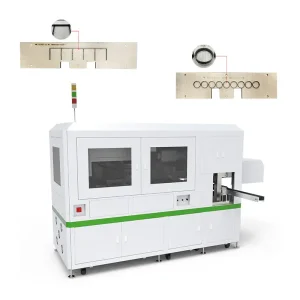
Optimized for Egyptian print houses, plastic converters, and financial packaging units.
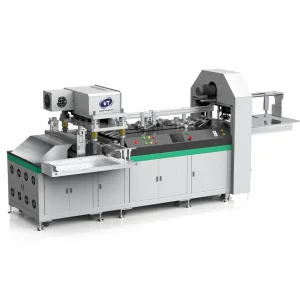
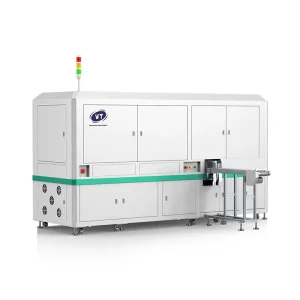
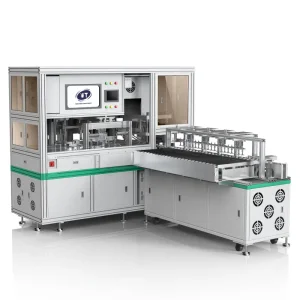
An in-depth look into the mechanical requirements and local operational realities in Egypt.
Egypt's industrial landscape is undergoing a massive digital and infrastructure transformation. Backed by key national initiatives like "Egypt Vision 2030" and the rapid construction of the New Administrative Capital, the demand for physical card technology is skyrocketing. Industries such as banking, telecom SIM card manufacturing, local logistics, children's education books, and retail packaging require millions of durable, highly precise paper and plastic cards daily.
Key industrial nodes like the **6th of October City**, **10th of Ramadan City**, and the **Suez Canal Economic Zone** have emerged as major centers for printing and card packaging plants in North Africa. However, manufacturers in Cairo and Alexandria face distinctive operational demands. The unique climatic context—high summer temperatures and dry, dust-prone air—requires card punching and die-cutting machines built with robust heat dissipation systems, dust-resistant optical encoders, and zero-tolerance mechanical linkages.
In arid Mediterranean climates, static electricity causes plastic sheets (PVC, PETG) to cling together during high-speed feeding. Modern machinery must implement heavy-duty static eliminators and vacuum-assisted suction separation. Wentong's machines integrate high-grade pneumatic systems and specialized anti-static devices engineered specifically to manage these regional atmospheric issues.

Manufacturing high-quality cards demands a deep understanding of structural physics. Paperboard and plastic sheets present contrasting behavior during high-stress die shearing:
Paper fibers are naturally hygroscopic. In highly humid delta areas like Alexandria, paperboard absorbs ambient moisture, lowering its stiffness. If a punching machine uses subpar steel or blunt dies, it results in fibrous, frayed edges rather than clean cuts. This degrades the aesthetics of flashcards and children's books.
Plastic cards, especially those housing internal smart RFID antennas or SIM chip micro-modules, require absolute precision. If the die-cutting force is uneven, structural delamination will destroy the internal electronics. High local heat can also cause PVC sheets to weld slightly at the borders, resulting in rough edges.
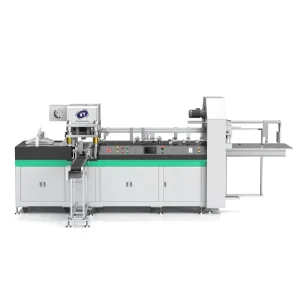
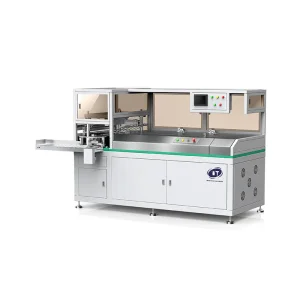
Our latest automatic card punching machines merge photoelectric tracking with localized industrial computers. The alignment tolerances are maintained within ±0.1 mm, ensuring that even under continuous 3shift operations, the rejection rate is cut down to almost zero.
How Wentong Machinery Co., Ltd. builds elite machinery from Shenzhen to Cairo.
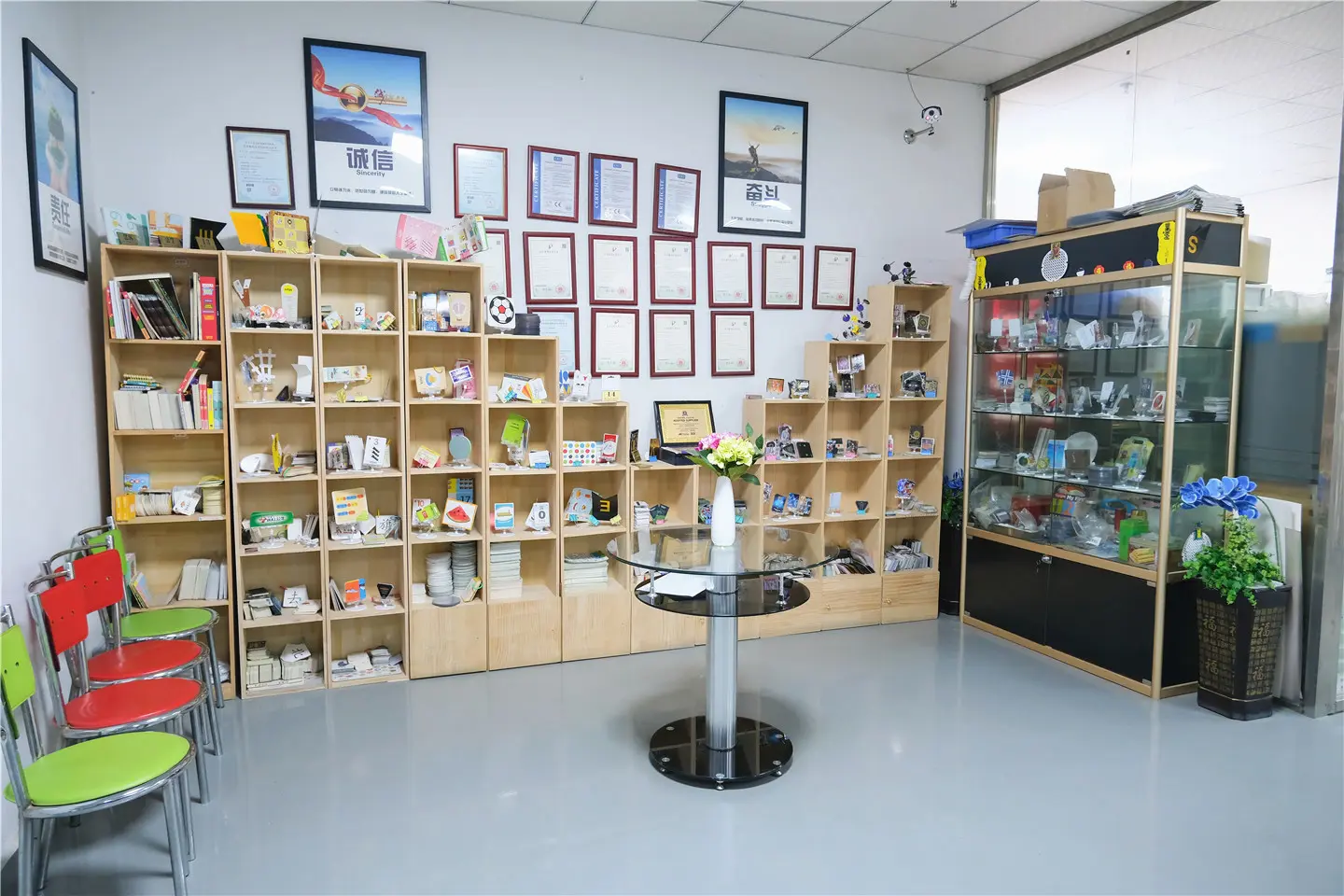
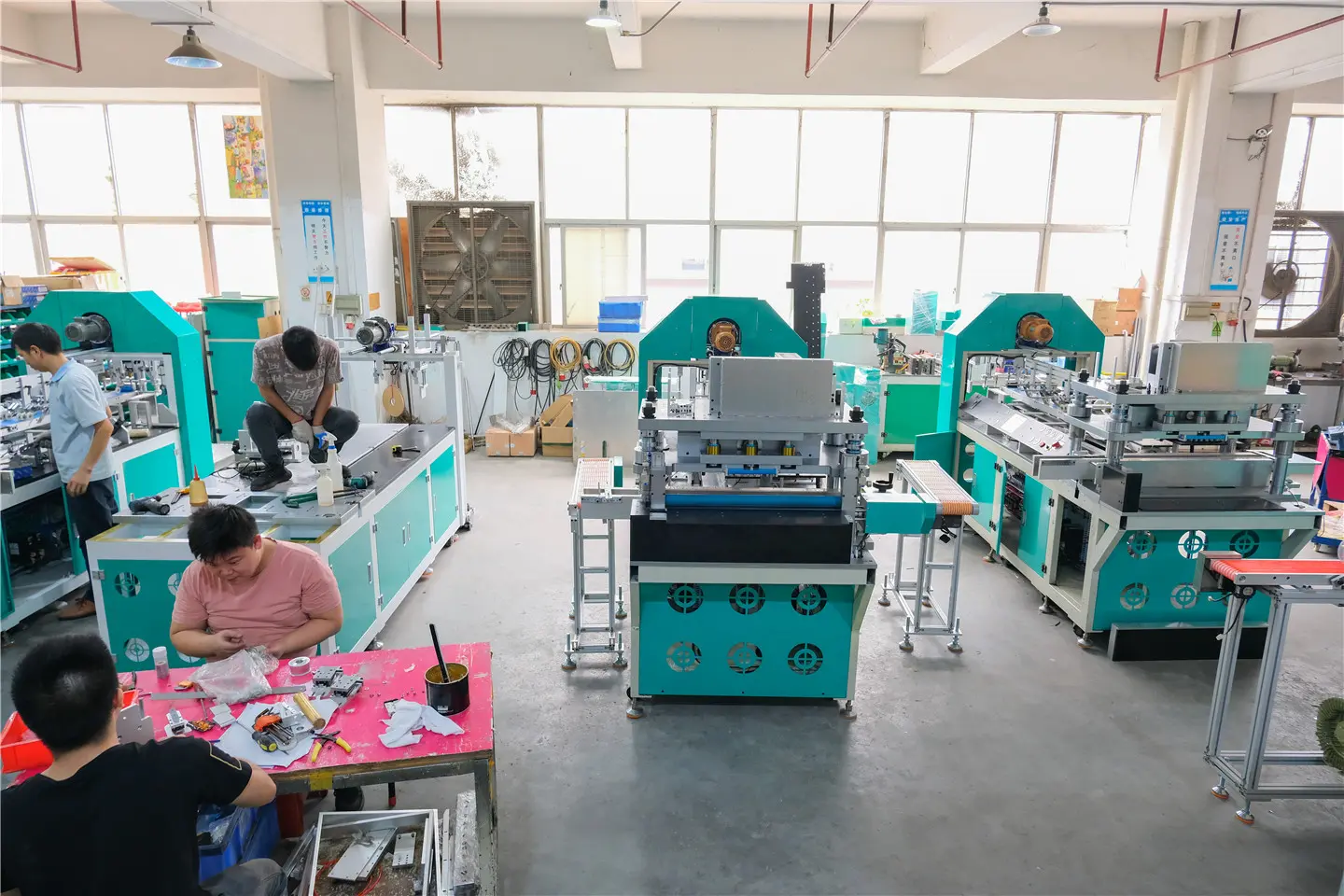
Based in Shenzhen's elite Guangming District, **Wentong Machinery Co., Ltd.** operates a sprawling 5,000 square meter factory designed around modern 5S management standards. This strategic location enables access to advanced metal alloys, precision CNC tooling centers, and world-class engineers.
Rather than relying on outsourced parts, Wentong manages assembly, wiring, and mechanical testing in-house. This gives us full quality control and ensures complete supply chain stability. For our clients in Egypt, this resilience guarantees a reliable supply of replacement components, custom dies, and upgrades, regardless of international logistics issues.
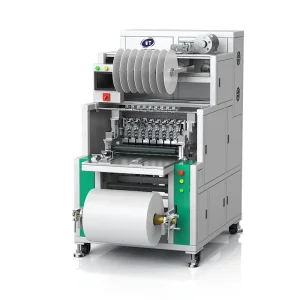
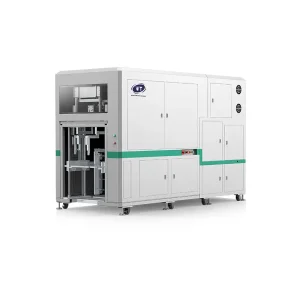
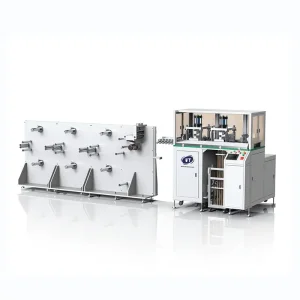
Explore our complete product suite, featuring high-speed tape layers and custom die-cutting systems.
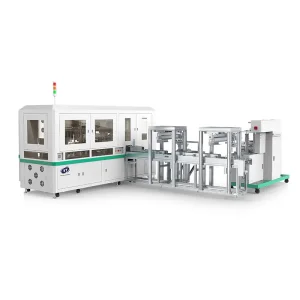
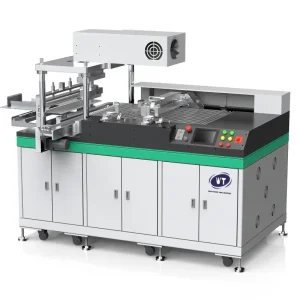
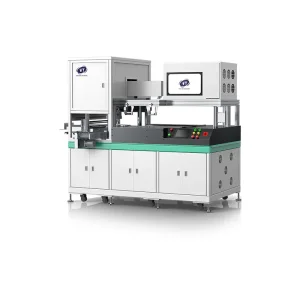
Explore real-world visuals of our smart-card production assemblies, die systems, and mechanical frames.
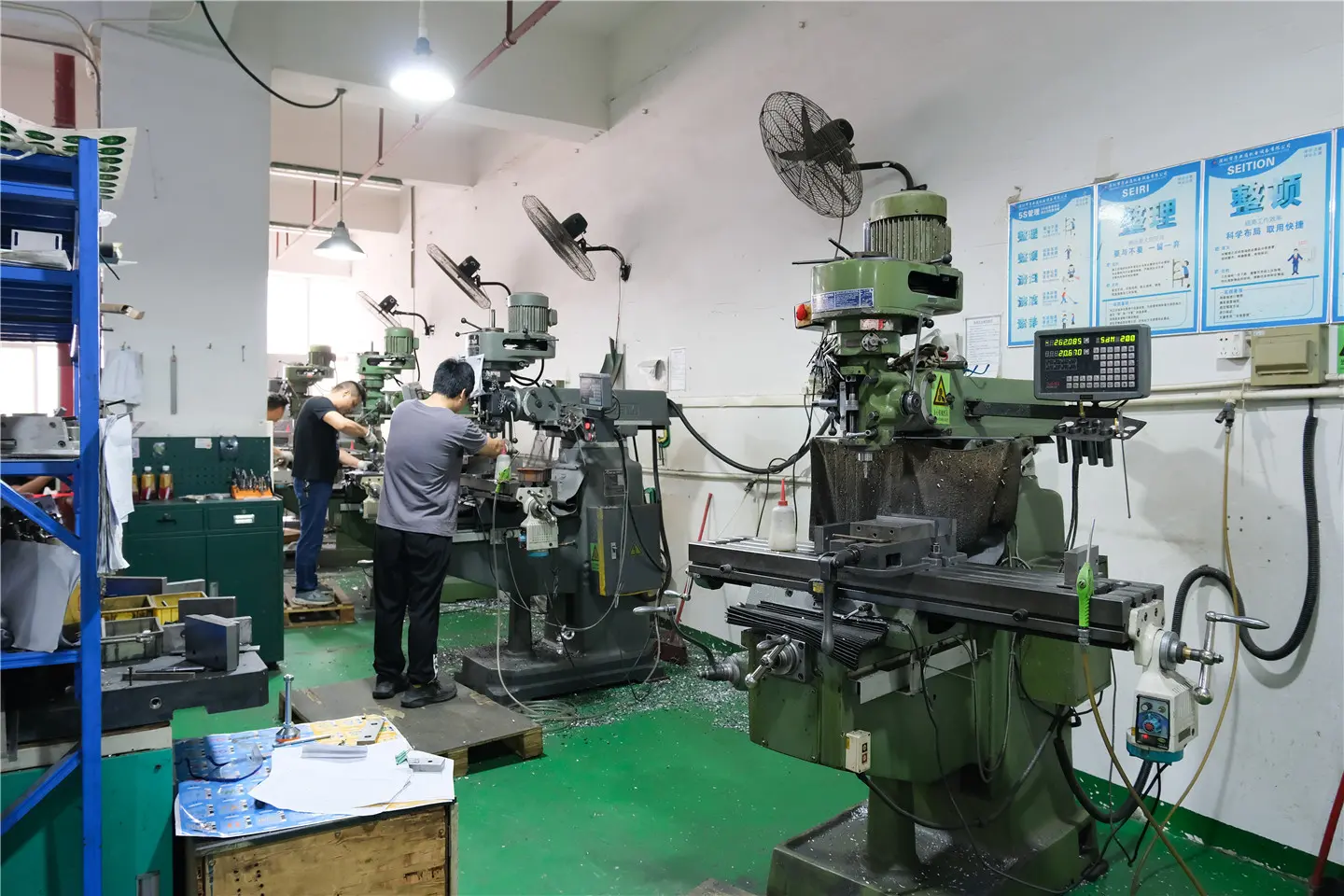
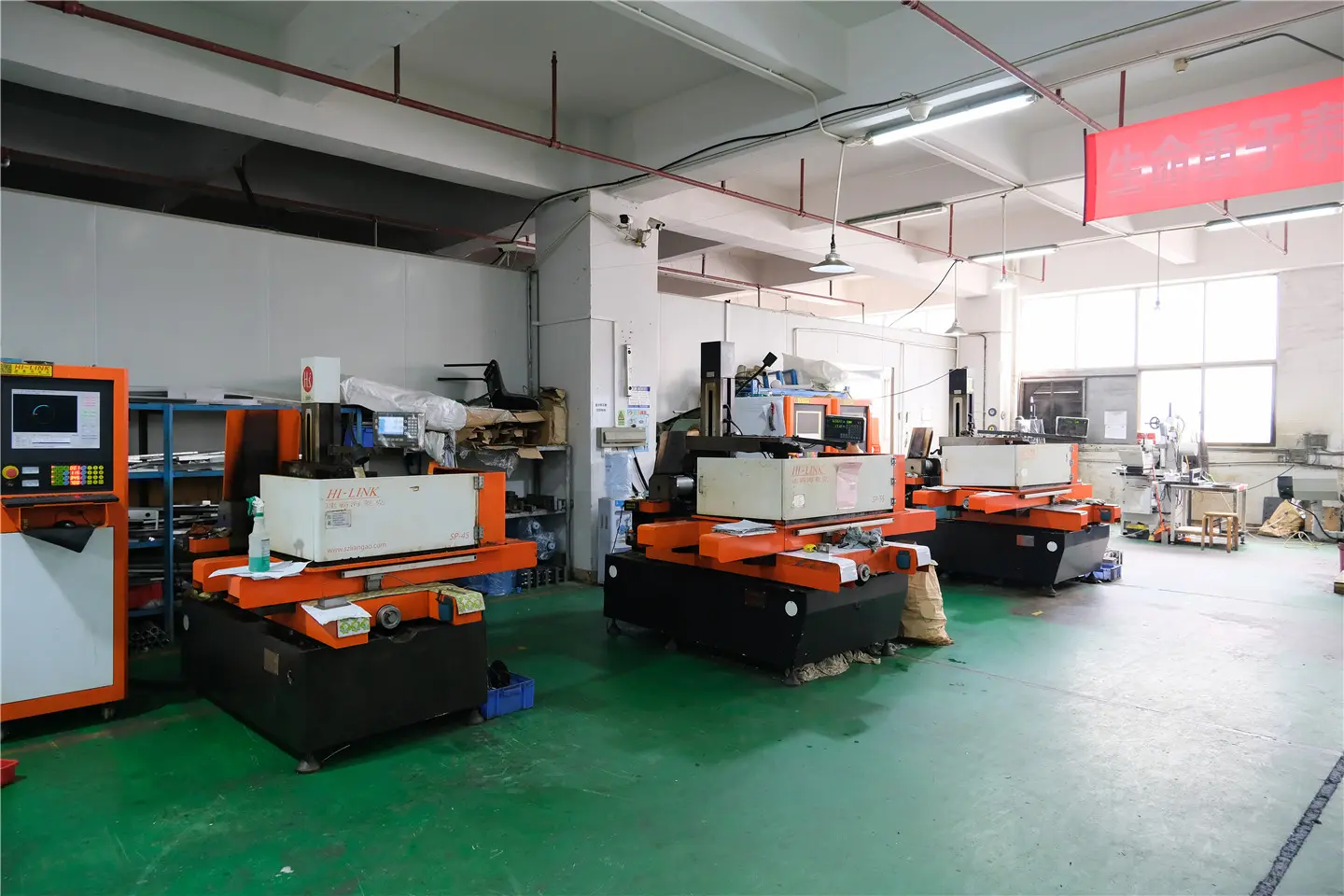
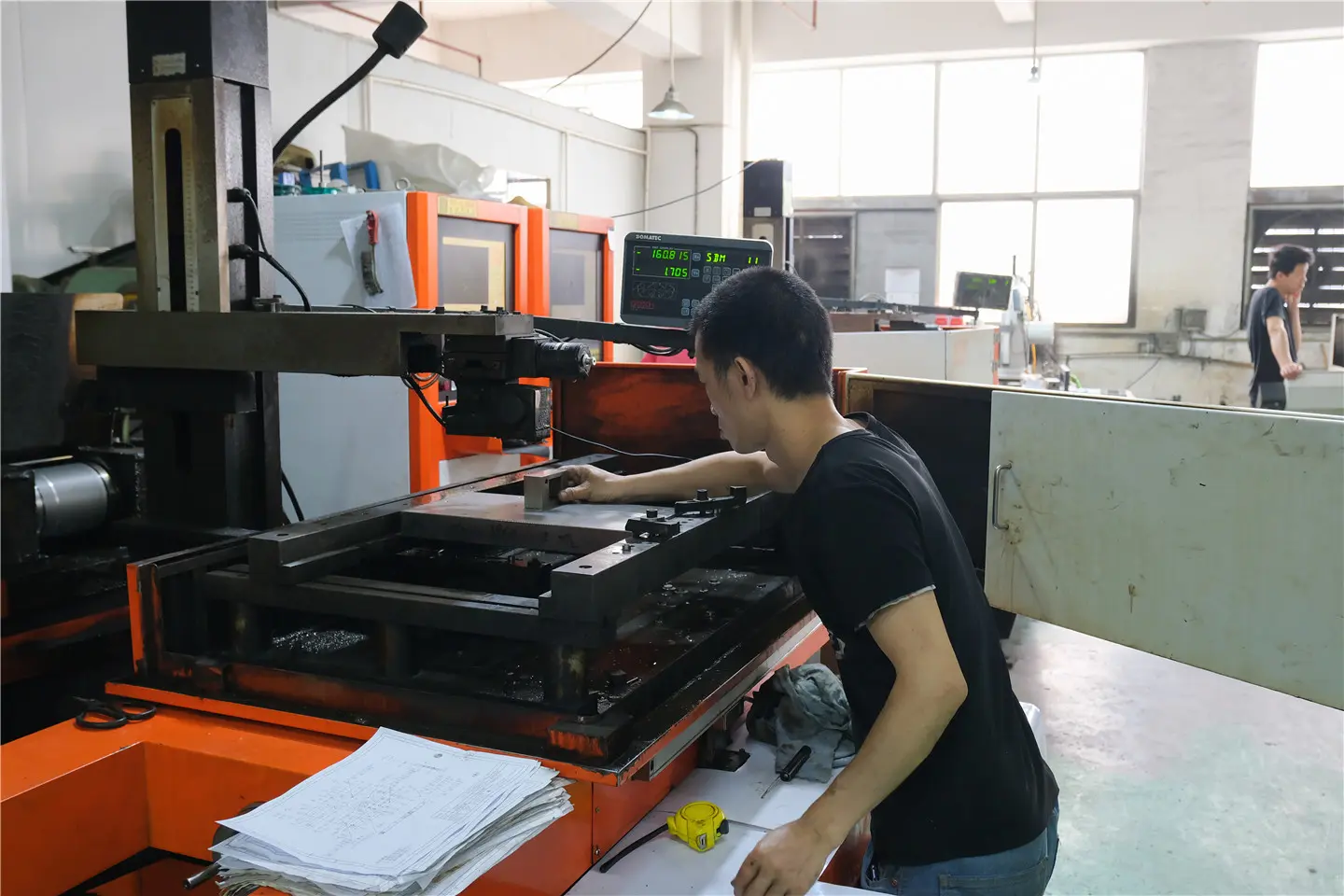
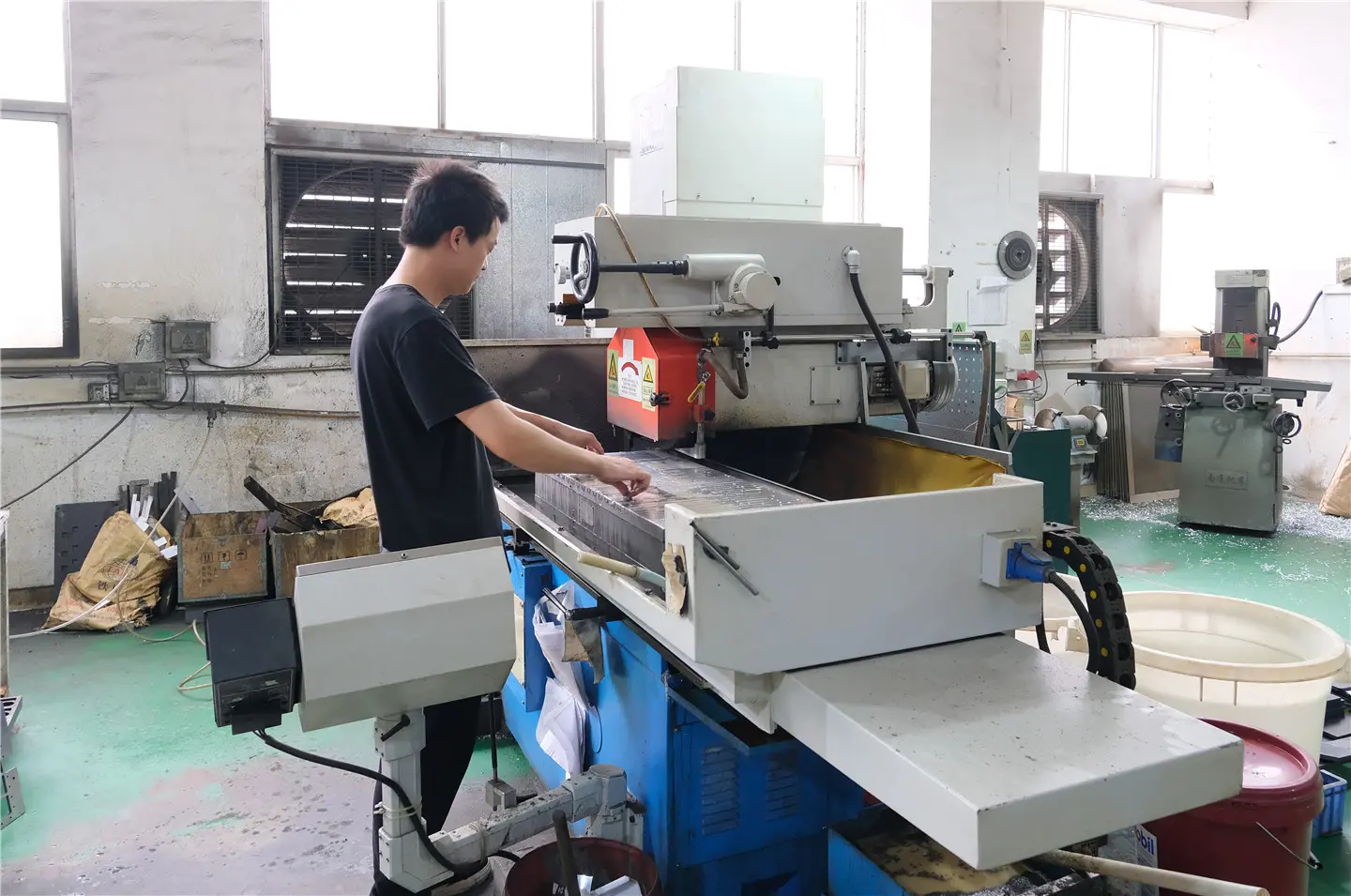
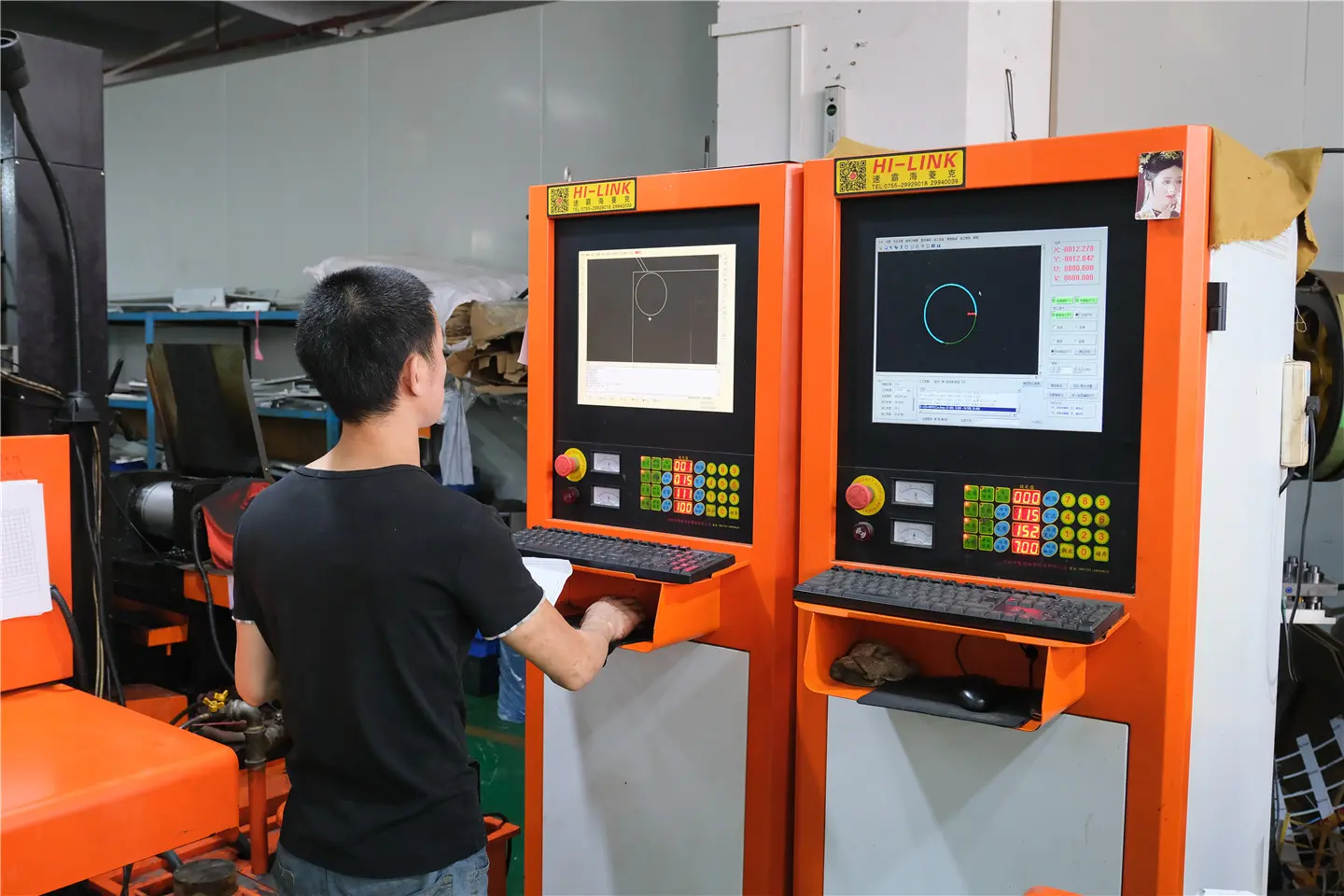
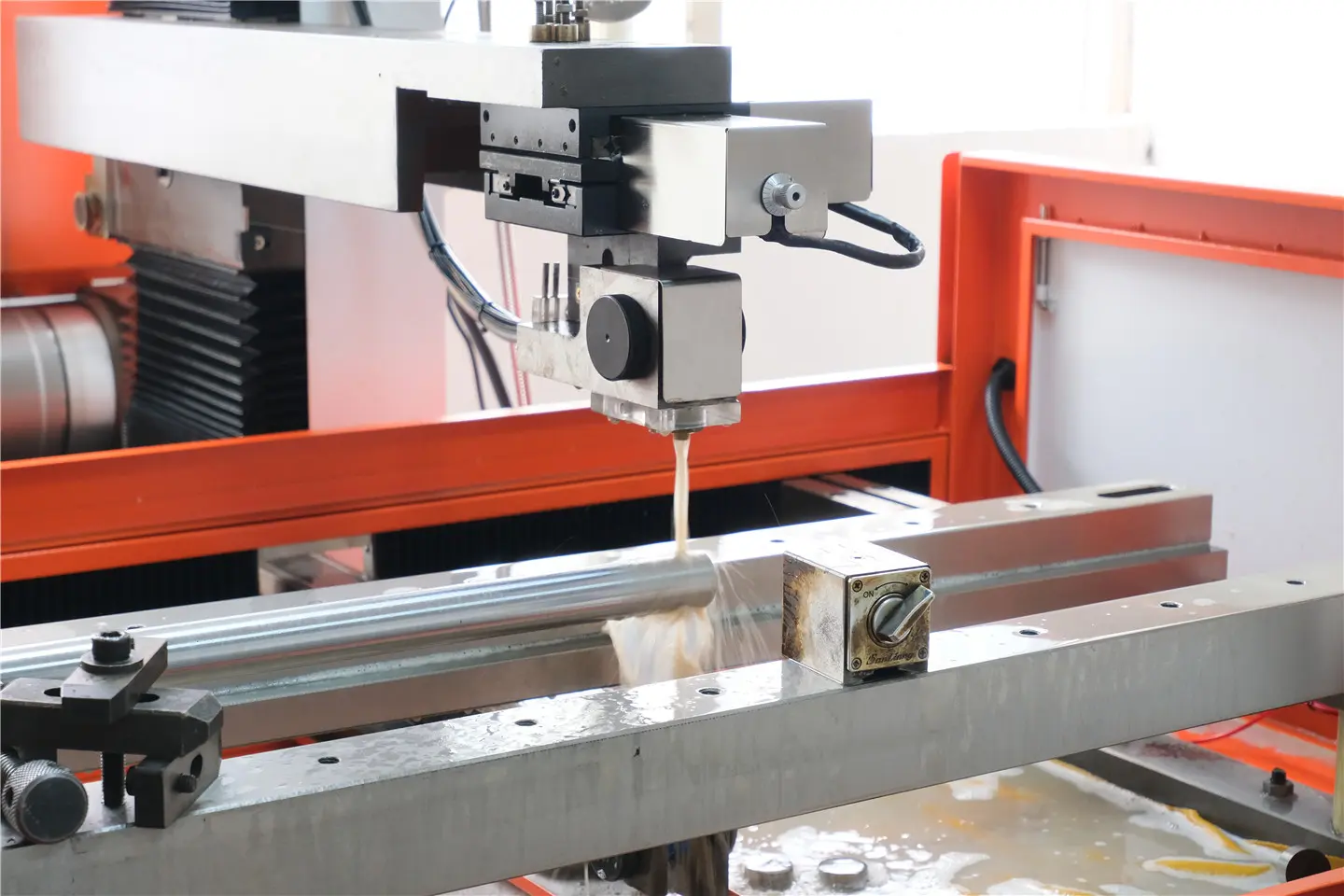
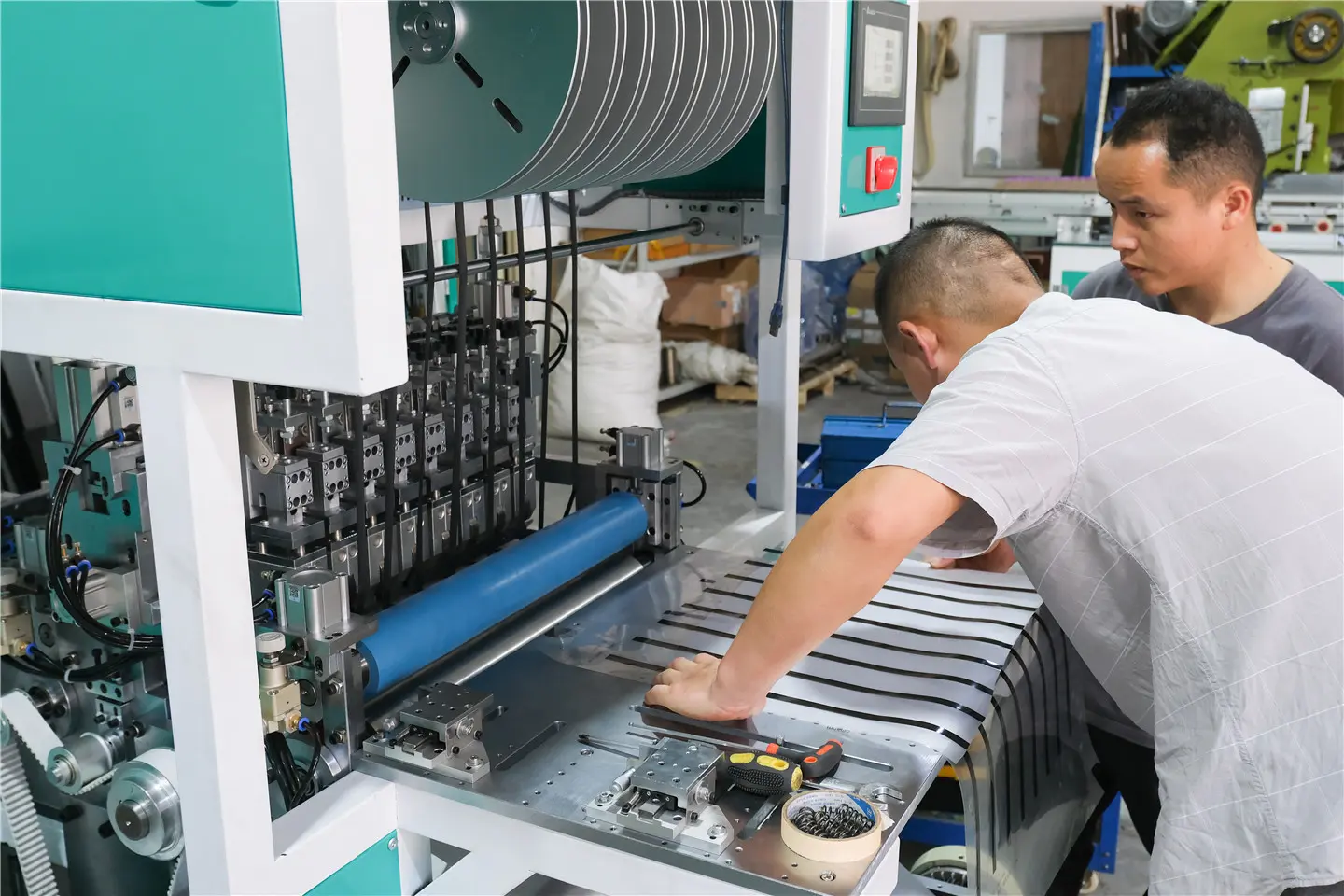
Consult with our lead hardware engineers to optimize your card-cutting, sorting, or magnetic tape application processes. We offer comprehensive tooling customization, factory-direct pricing, and stable global shipping.
Send Inquiry NowIn-depth, technical answers to common procurement, assembly, and operating questions in the MEA region.
Our card punching and die-cutting machines are designed for maximum versatility. They process PVC, PETG, ABS, Teslin, and polycarbonate for plastics, alongside paperboards ranging from 150gsm to 1000gsm. This makes them ideal for financial smart cards, identity badges, learning flashcards, playing cards, and jigsaw boards.
High ambient temperatures and dry conditions can lead to electrostatic discharge (ESD) and cause multi-layered plastic sheets to stick together. Wentong addresses this by incorporating industrial static eliminators and vacuum-assisted sheet separators into the feeding mechanisms. This ensures consistent separation and smooth feeding, even in hot, dry conditions.
Thanks to high-performance micro-stepping motors, precision lead screws, and optional CCD industrial visual alignment cameras, our machines achieve standard punching tolerances within ±0.1 mm. For high-density smart cards with integrated circuitry, the accuracy can be refined to ±0.05 mm.
Yes, our in-house engineering and tooling division specializes in customizing punching dies for unique requirements. We can design and produce dies for standard CR-80 banking formats, rounded-edge learning cards, custom puzzle profiles, and complex children's book layouts based on your AutoCAD blueprints or physical samples.
We provide comprehensive pre-sales audits. Our engineers analyze your target outputs, materials (paper vs. plastic), and thickness variations. We then recommend the ideal machine configurations, custom dies, and pneumatic parameters to optimize efficiency and minimize scrap.
Every Wentong machine includes a one-year warranty. We supply extensive video guides for installation and maintenance, along with real-time remote support from our engineers. For large industrial production lines in Cairo or Alexandria, we can dispatch technicians for on-site commissioning and hands-on staff training.
Our state-of-the-art 5,000 square meter factory is located in the Guangming District of Shenzhen, China. This location connects us to advanced manufacturing supply chains, allowing us to source premium materials and electronic systems while maintaining competitive pricing and high build quality.
Depending on container availability and shipping routes, transit times from Shenzhen to major Egyptian ports like Alexandria, Port Said, or Sokhna generally range from 25 to 35 days. We provide seaworthy packaging, including vacuum-sealed barriers, to protect mechanical components from moisture and corrosion during ocean transport.
Yes, we maintain a robust inventory of common wear items, including suction cups, transport belts, sensors, pneumatic valves, and standard punching dies. These can be shipped via international express services (such as DHL, FedEx, or UPS) to your facility in Egypt, minimizing downtime.
Our systems utilize advanced PLC controls with color touchscreens and support remote diagnostic modules. This enables real-time monitoring of operational speeds, throughput rates, and error logs, helping your team implement predictive maintenance strategies.
 Wentong Machinery