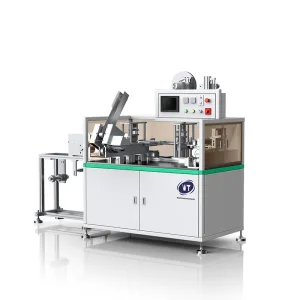
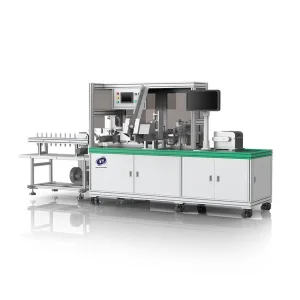
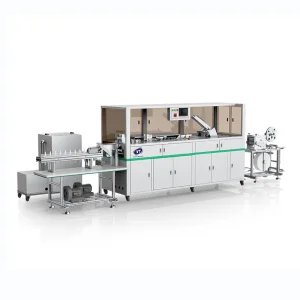
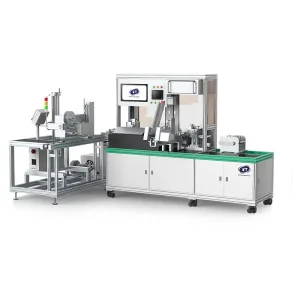
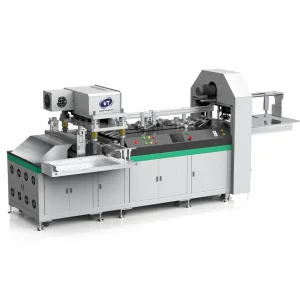
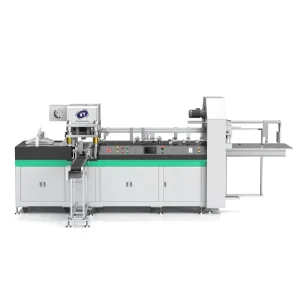
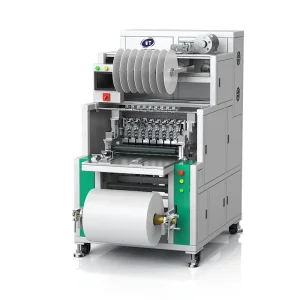
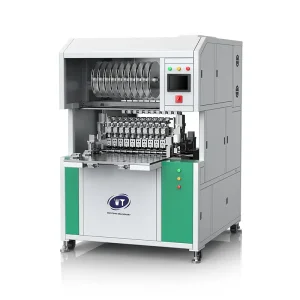
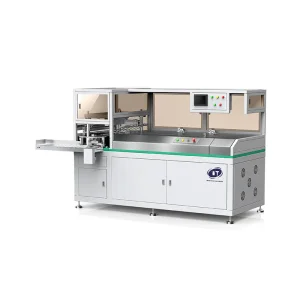
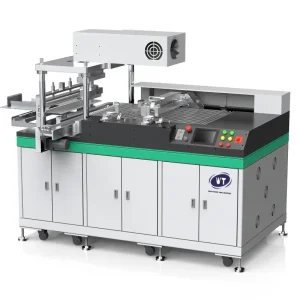
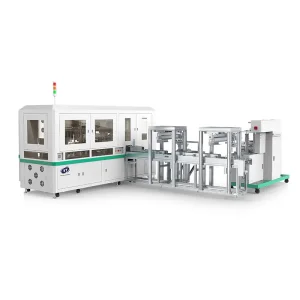
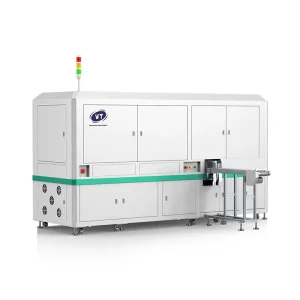
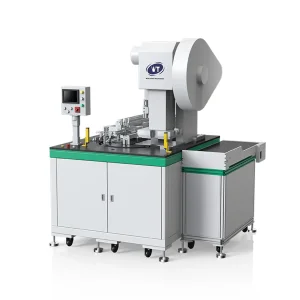
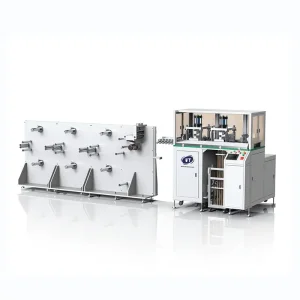
Engineered for high performance, maximum throughput, and ultra-secure packaging sealing. Perfect for high-volume SIM card production and financial banking card deployment in the Equatorial Guinea region.
Deep-dive whitepaper exploring how smart card packaging automation facilitates banking reform, telecom expansion, and secure card printing in Central Africa.
Equatorial Guinea, located within the Central African Economic and Monetary Community (CEMAC), is experiencing a notable industrial transformation. As the country aims to diversify its economy away from raw petroleum extraction, the growth of information technology, localized manufacturing, and retail banking has accelerated. The demand for secured card packaging technologies has spiked significantly, driven by local telecommunication carriers and financial institutions that require local personalization and packaging of secure smart cards.
Historically, finished smart cards—such as telecom SIM cards, scratch-off vouchers, EMV debit cards, and national identification cards—were imported pre-packaged from external markets. This arrangement created major shipping bottlenecks, elevated procurement expenses, and introduced security risks during shipping. Today, localized packaging facilities in Malabo and Bata are upgrading their manufacturing capacities. They look to procure robust, automated, and secure post-press card equipment that can handle the rigorous operating requirements of tropical environments.
Furthermore, local packaging regulations enforce stricter guidelines regarding plastic waste reduction and data security. The transition to high-precision card punching, cutting, and packaging machines is no longer optional but a baseline standard to guarantee physical data protection and prevent counterfeit operations in the regional market.

Equatorial Guinea features a tropical rainforest climate, with high levels of relative humidity (~80% to 90%) and sustained warm temperatures. For card packaging operations using plastic (PVC, ABS, Polycarbonate, PETG) or paper substrates, tropical humidity can cause problems such as electrostatic cohesion, material warping, and poor heat seal reliability. Standard heat-sealing machines often struggle under these conditions, as moisture can become trapped within the packaging pouch, causing seal failures or damaging internal smart chips.
To overcome this, Wentong Machinery has engineered custom automated card packaging systems featuring Ultrasonic Sealing Technology. Unlike traditional heat-sealing methods that melt materials using thermal conduction, ultrasonic sealing applies high-frequency acoustic vibrations (typically 20kHz to 35kHz) to generate localized molecular friction. This creates a clean, secure weld on a molecular level within milliseconds. It offers several critical advantages:
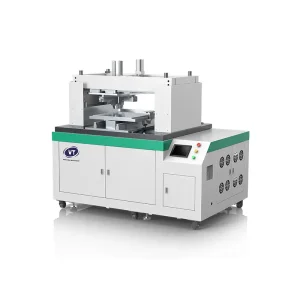
Specialized industrial equipment to streamline prepress card shaping, scratch labeling, and high-precision die-cutting for local book binderies and security printers.
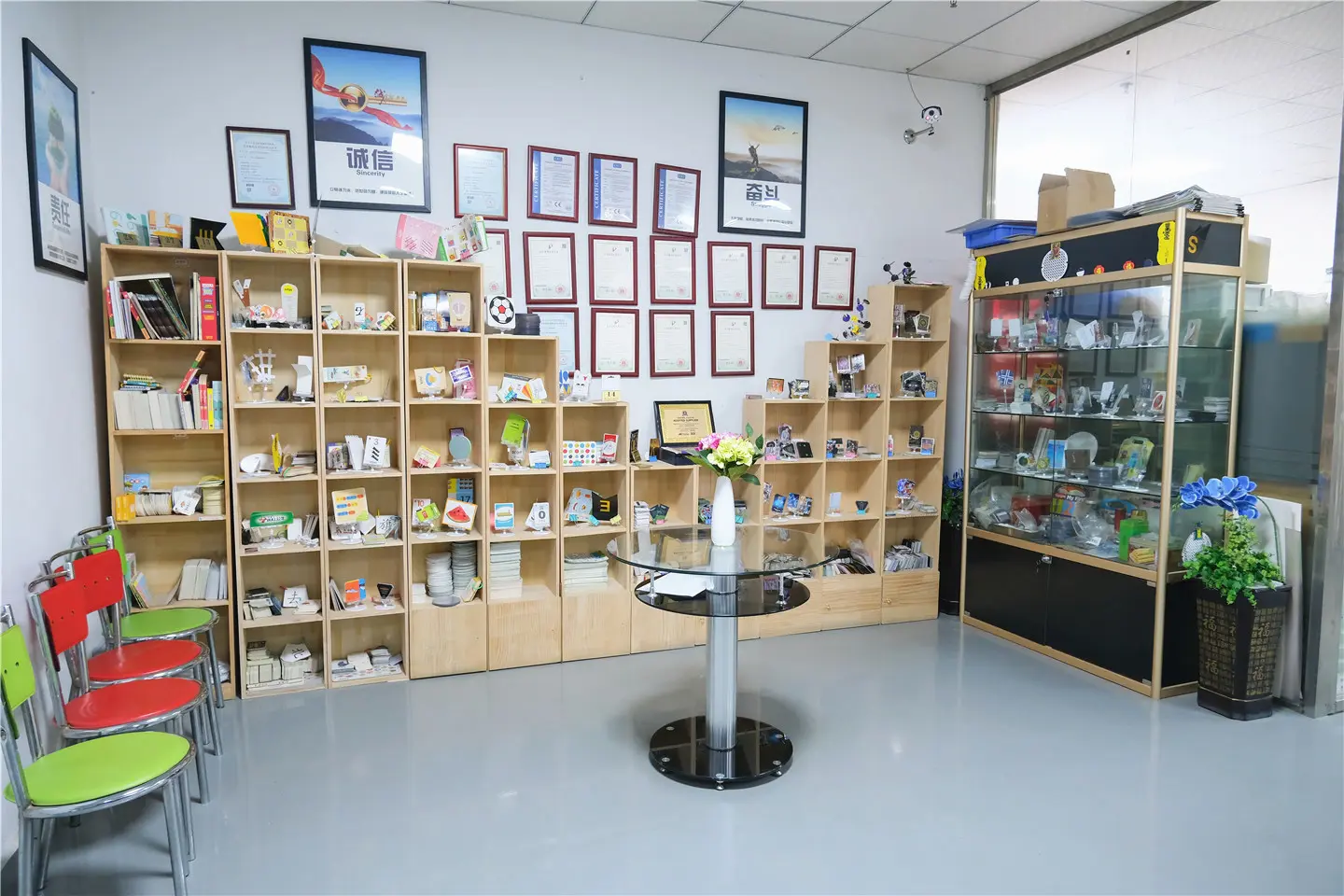
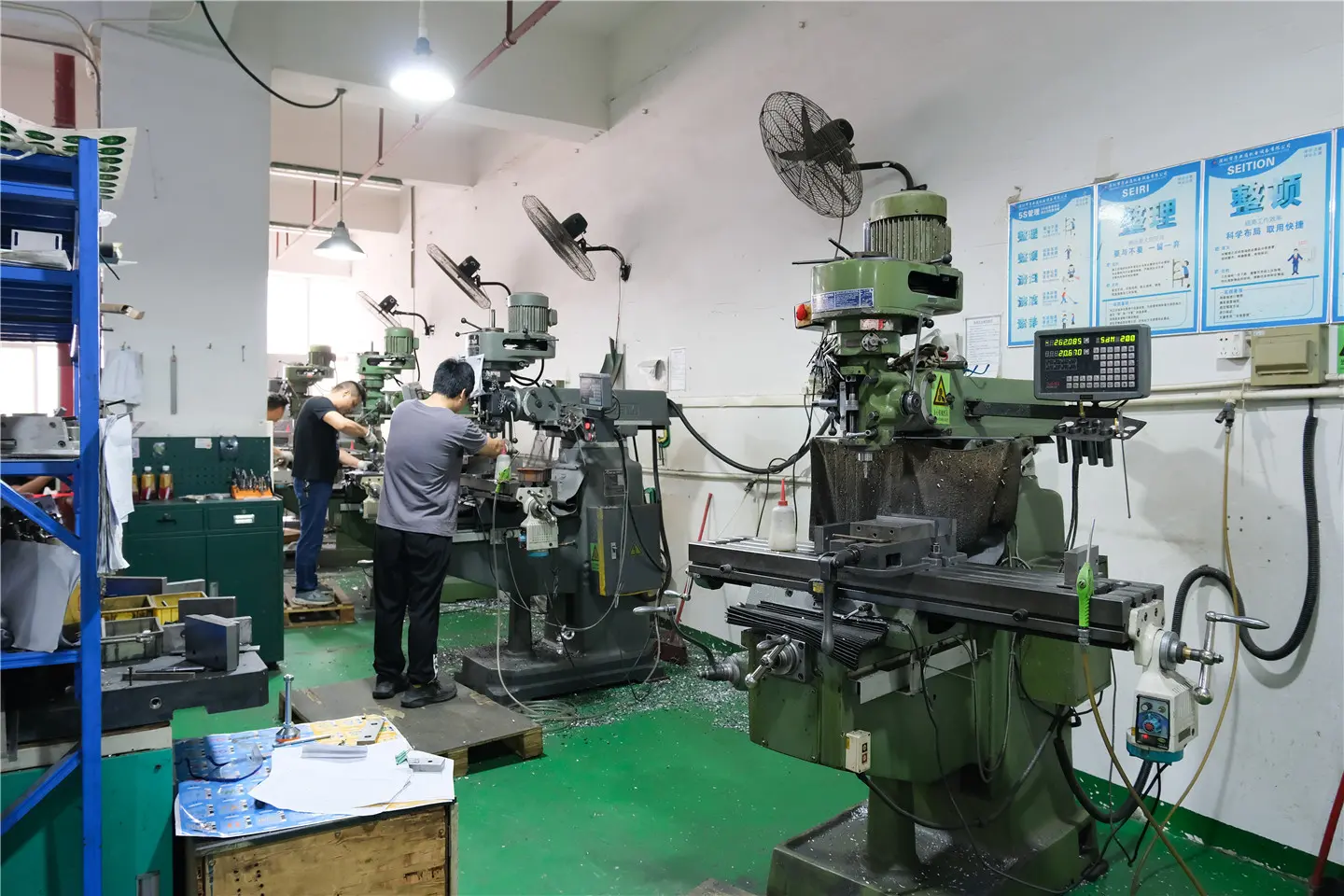
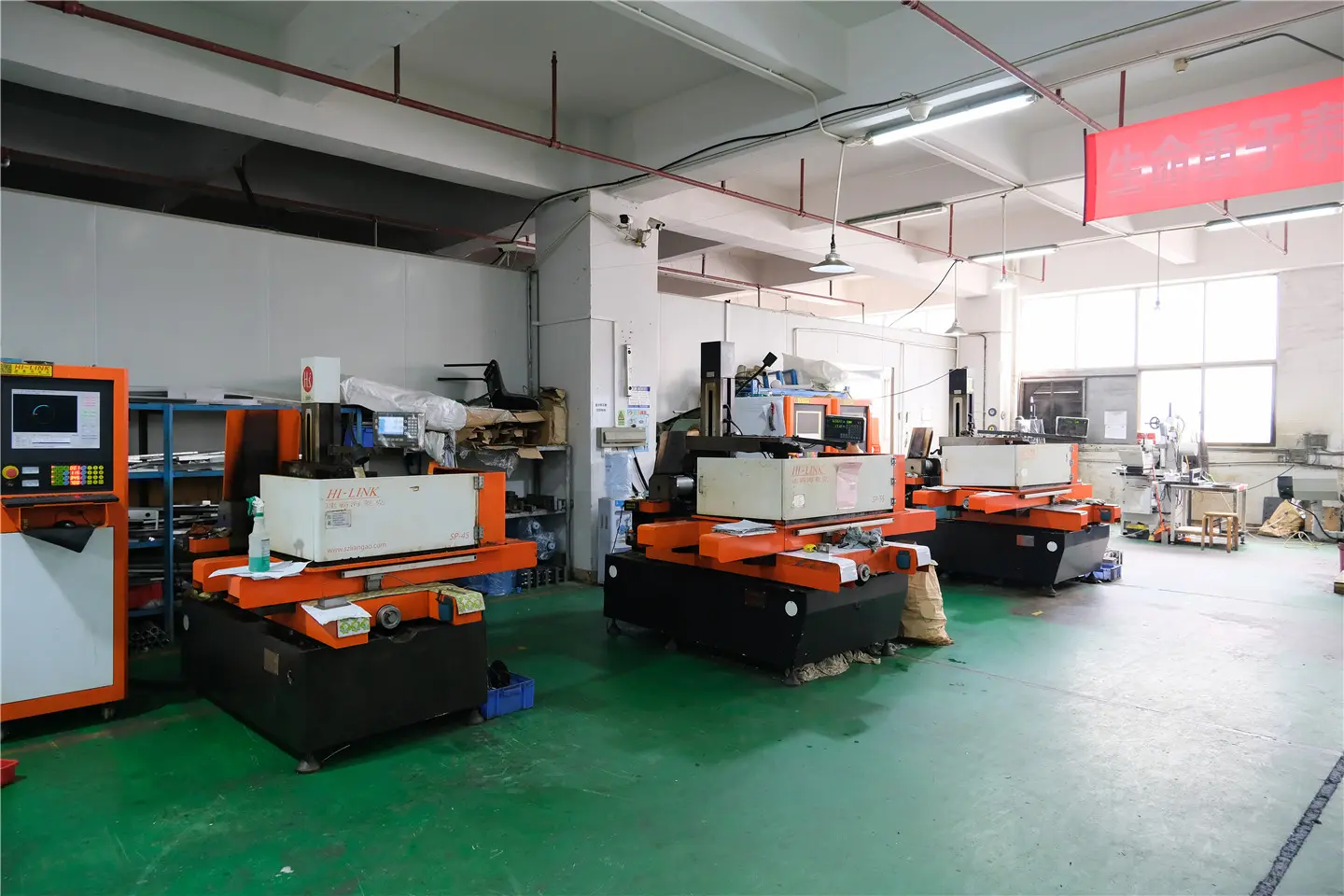
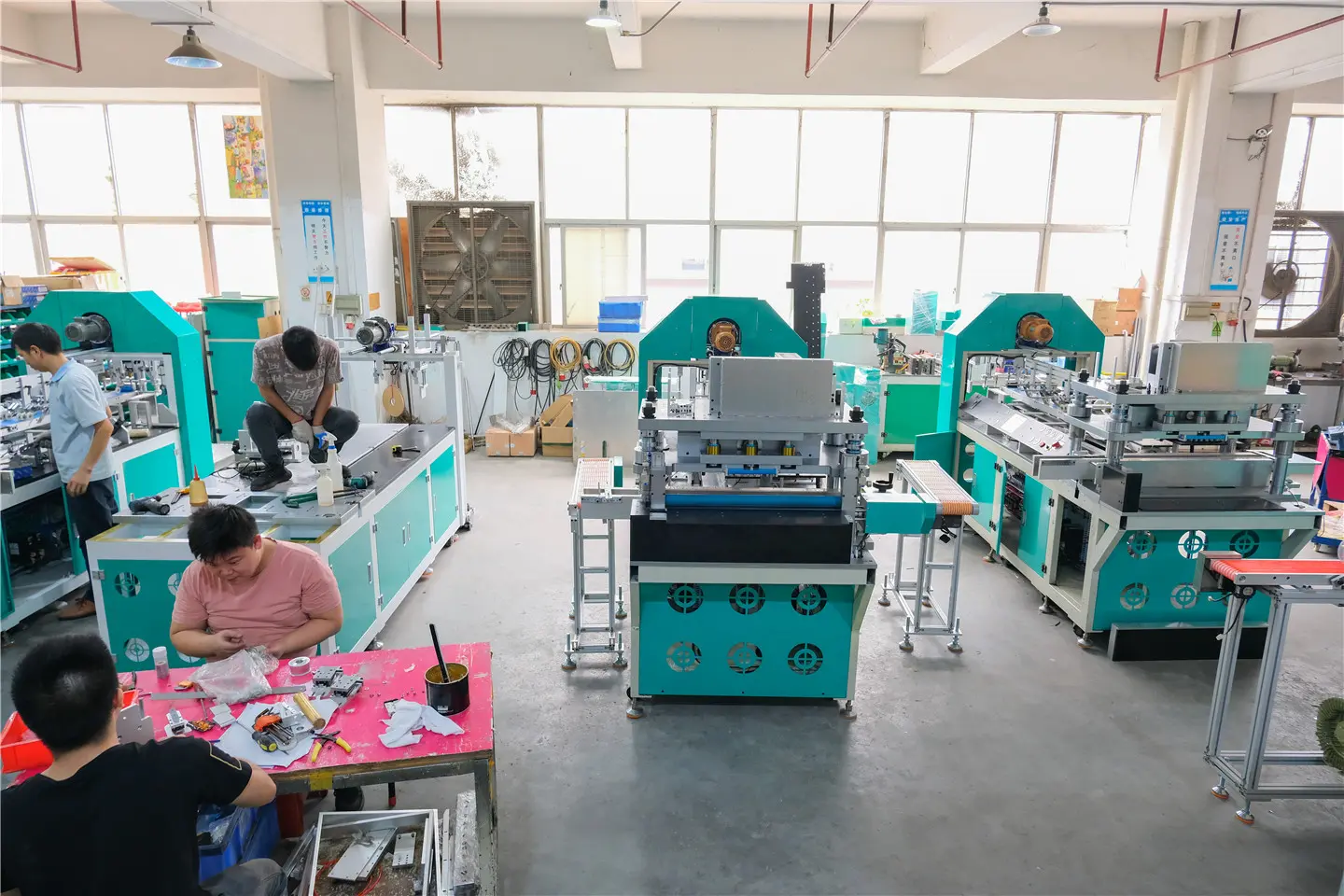
Sourcing advanced card machinery from Wentong Machinery Co., Ltd. (based in Shenzhen, China) offers distinct operational and cost benefits to companies in Equatorial Guinea. With a production facility spanning 5,000 square meters, Wentong manages assembly, testing, and display processes under strict quality control standards. This infrastructure enables us to customize card machines to meet the specific requirements of Central African operators.
Key advantages of our Shenzhen-to-Central Africa supply chain include:
Investing in advanced card packaging machinery requires competent technical installation and ongoing maintenance. Wentong supports users in Equatorial Guinea through a comprehensive lifecycle service program. We dispatch field service engineers to Malabo and Bata to handle assembly, testing, and fine-tuning. This ensures the equipment operates efficiently alongside existing production systems.
Additionally, we conduct on-site technical training programs for local machine operators. Training covers daily cleaning routines, sensor calibration, sealing head adjustments, and basic troubleshooting. Keeping consumable parts—such as timing belts, sealing rollers, suction cups, and blades—well-stocked locally helps prevent unscheduled downtime, ensuring reliable, long-term operation.
| Service Milestone | Deliverables & Details | Target Resolution Time |
|---|---|---|
| Pre-Sales Technical Consultation | Evaluation of client's current workflow, material recommendations (PVC, PE, Paper), and line speed modeling. | 1 - 3 Days |
| Equipment Customization | Adapting machine dimensions, mechanical sensors, power configurations, and die structures. | 30 - 45 Days |
| Delivery & Sea Freight | Secure crating, moisture-barrier packaging, export customs clearance, and shipment tracking. | 28 - 35 Days (Port of Bata/Malabo) |
| On-site Commissioning | Mechanical installation, electrical alignment, trial runs, and operator safety training. | 5 - 7 Days on-site |
| Technical Support | Remote video support and diagnostic assistance, with spare parts shipped via express air freight. | <24 Hour response |
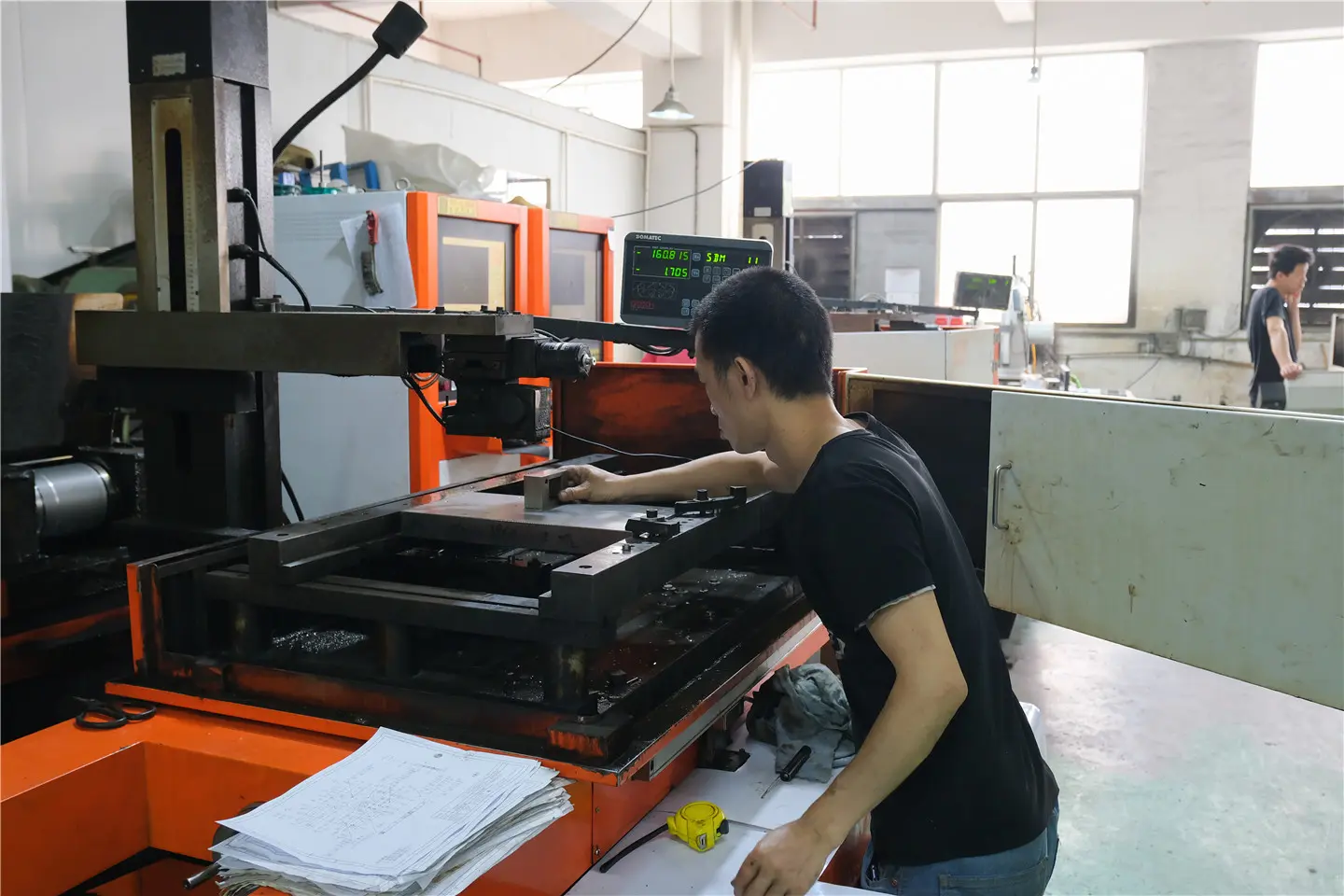
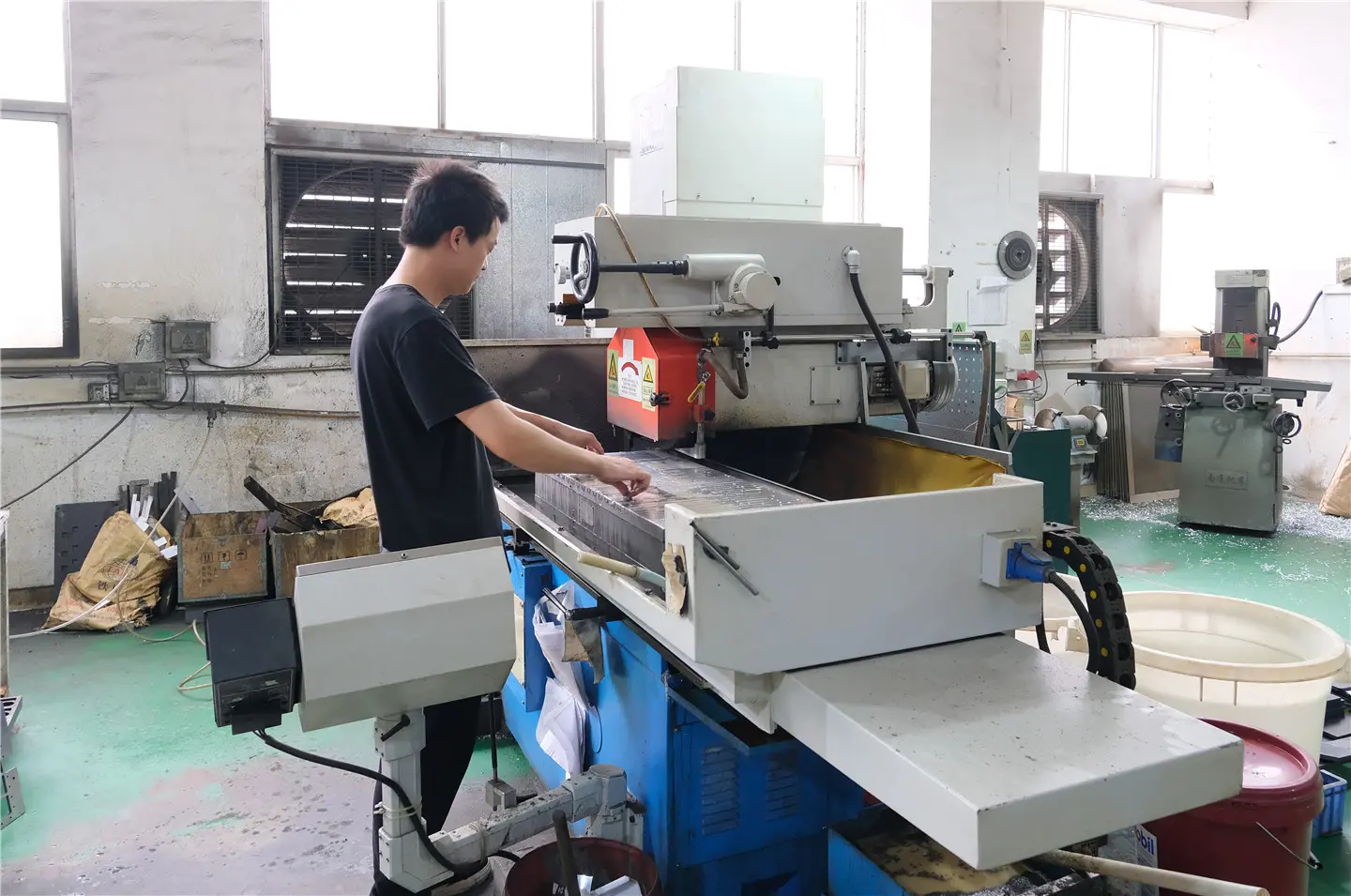
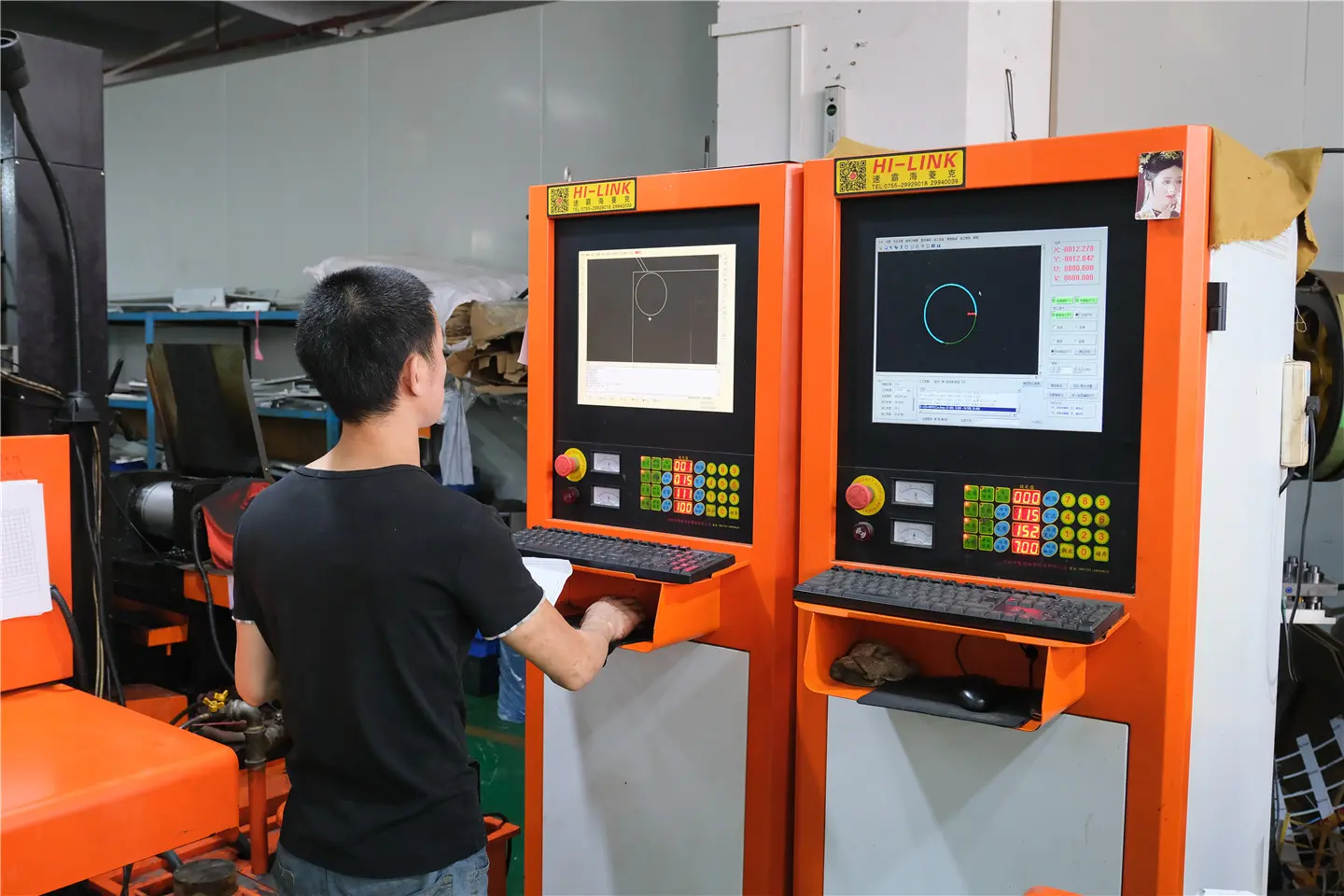
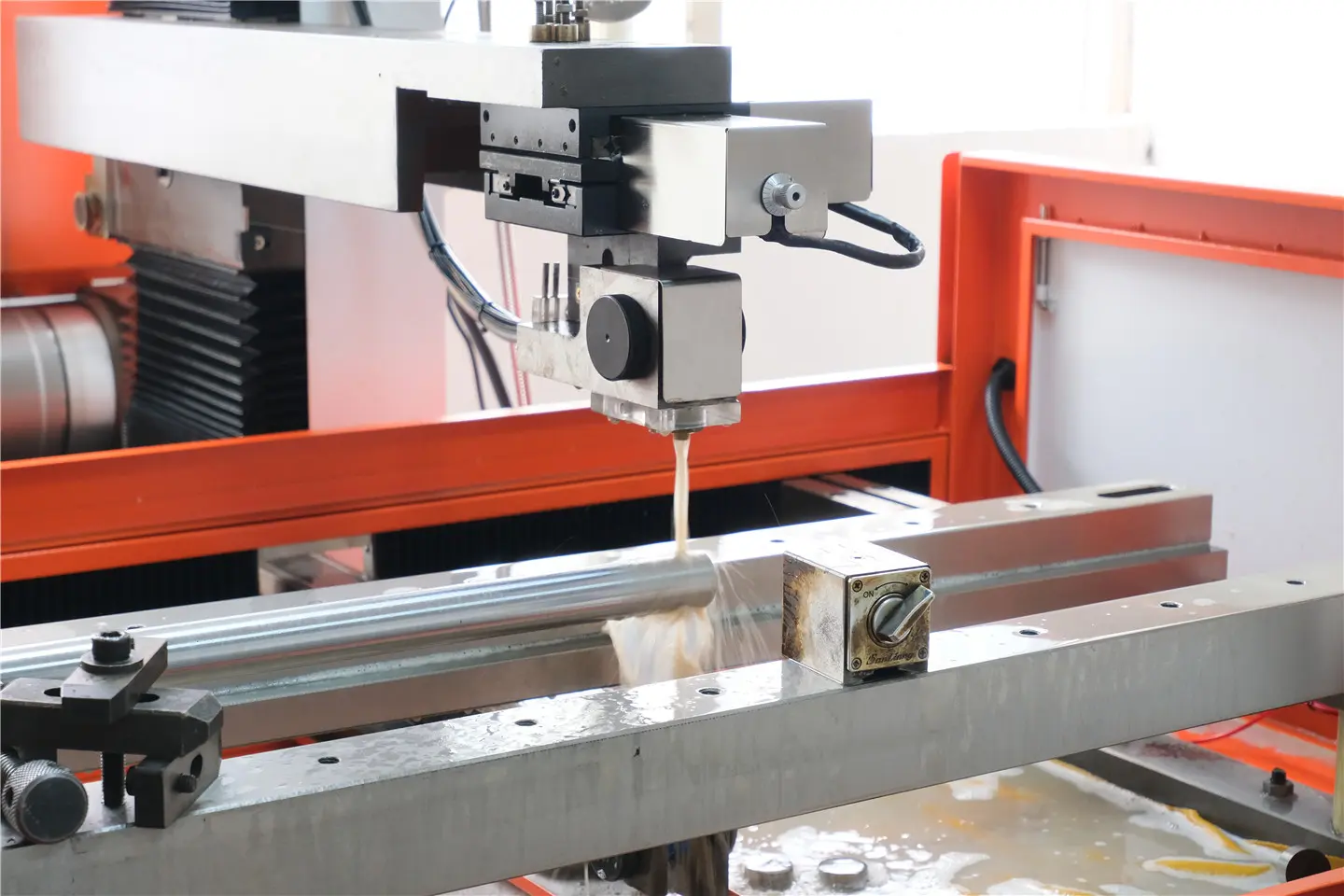
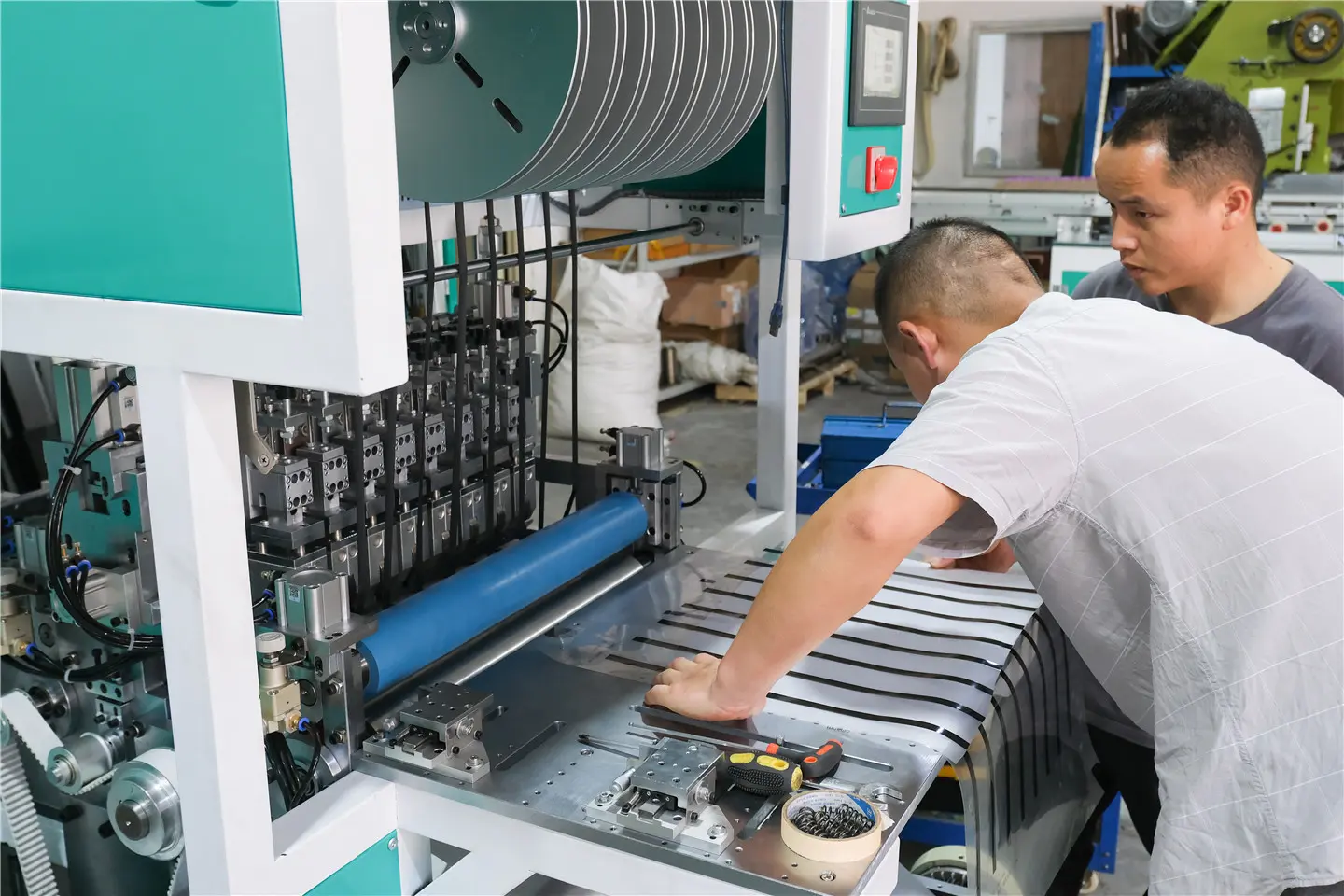
Visualizing our 5,000 square meter factory floor, mechanical precision, and advanced product assemblies.
Expert technical answers regarding smart card packaging machinery imports, operations, and support in Equatorial Guinea.
A versatile selection of laminating, die-cutting, collating, and strapping machines built to handle a wide variety of card media formats.
 Wentong Machinery