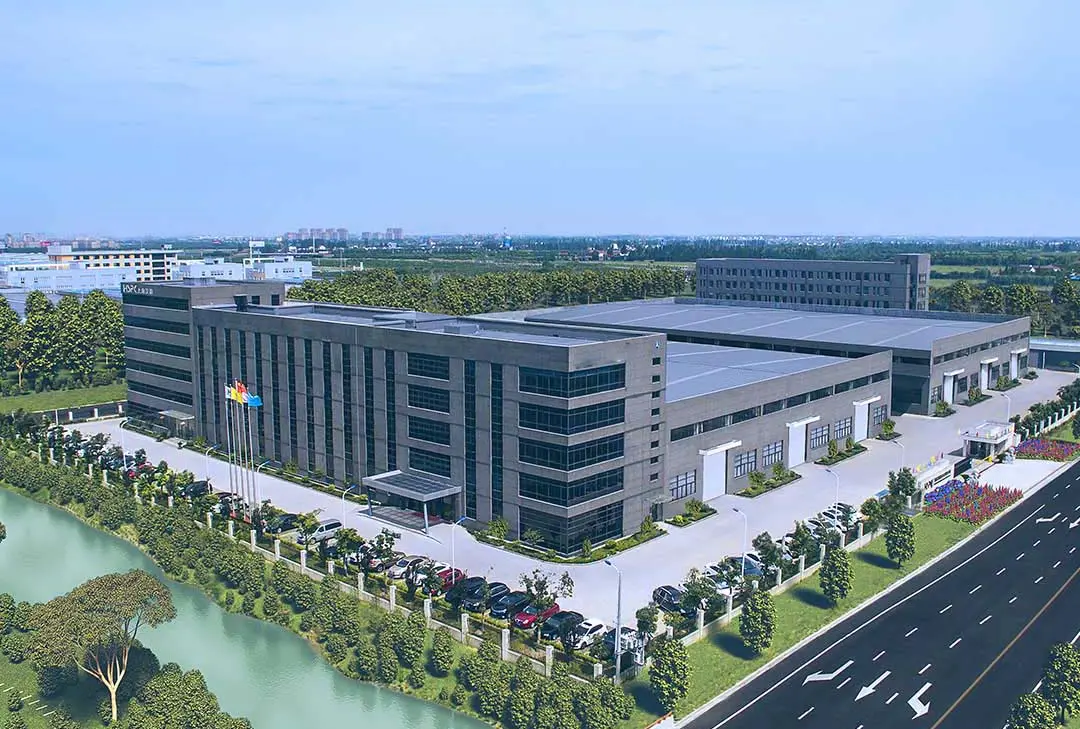
 Wentong Machinery
Industrial Transformation of Ziguinchor & Southern Senegal
Analyzing post-press automation, agricultural packaging, and high-precision publishing setups within the local economic ecosystems of Casamance.
Ziguinchor, serving as the commercial gateway of the Casamance region, is undergoing a quiet industrial revitalization. Historically dependent on agriculture—particularly cashews, rice, and timber—local enterprises are actively seeking methods to capture higher value-adds. The modernization of packaging and printed collateral is a cornerstone of this movement. Traditionally, refined food packaging, educational materials, and identification cards were imported from Dakar or neighboring countries. Today, localized die-cutting factories and automated print operations are emerging to satisfy local demand, reduce shipping dependencies, and minimize transit lead times.
For operations handling card manufacturing, children's books, or agricultural labeling, precision cutting is the differentiator between premium market placement and material waste. By transitioning away from manual processing toward servo-driven, high-speed machinery, regional production facilities can secure the structural stability and rapid turnarounds necessary to fulfill large-scale government and retail supply agreements.
The Regional Sourcing Advantage
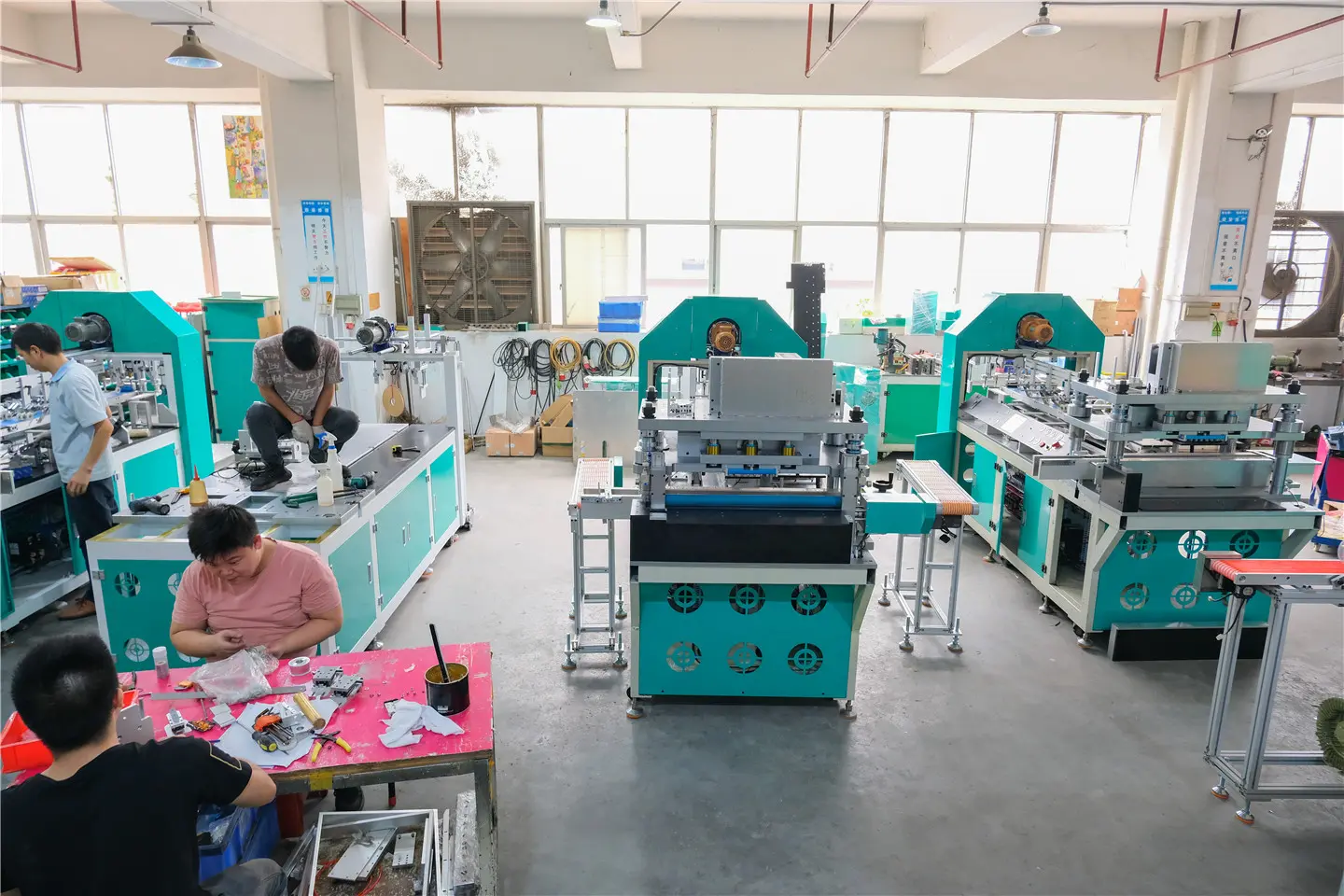
By integrating automated post-press lines directly within the Dakar-Ziguinchor trade corridor, domestic factories bypass standard customs friction points. Wentong Machinery Co., Ltd. customizes heavy-duty equipment configurations tailored to West Africa's power infrastructure, thermal constraints, and material supplies.
Technical Architecture: Redefining Precision in Die Cutting
The core structural integrity of Wentong's die-cutting machinery rests on our implementation of advanced mechanical components and automation. In contrast to manual entry-level presses which are prone to hydraulic drift and registration shifts, our industrial systems leverage closed-loop servo controls combined with high-precision optical sensors.
1. Micro-Step Feeding Mechanisms
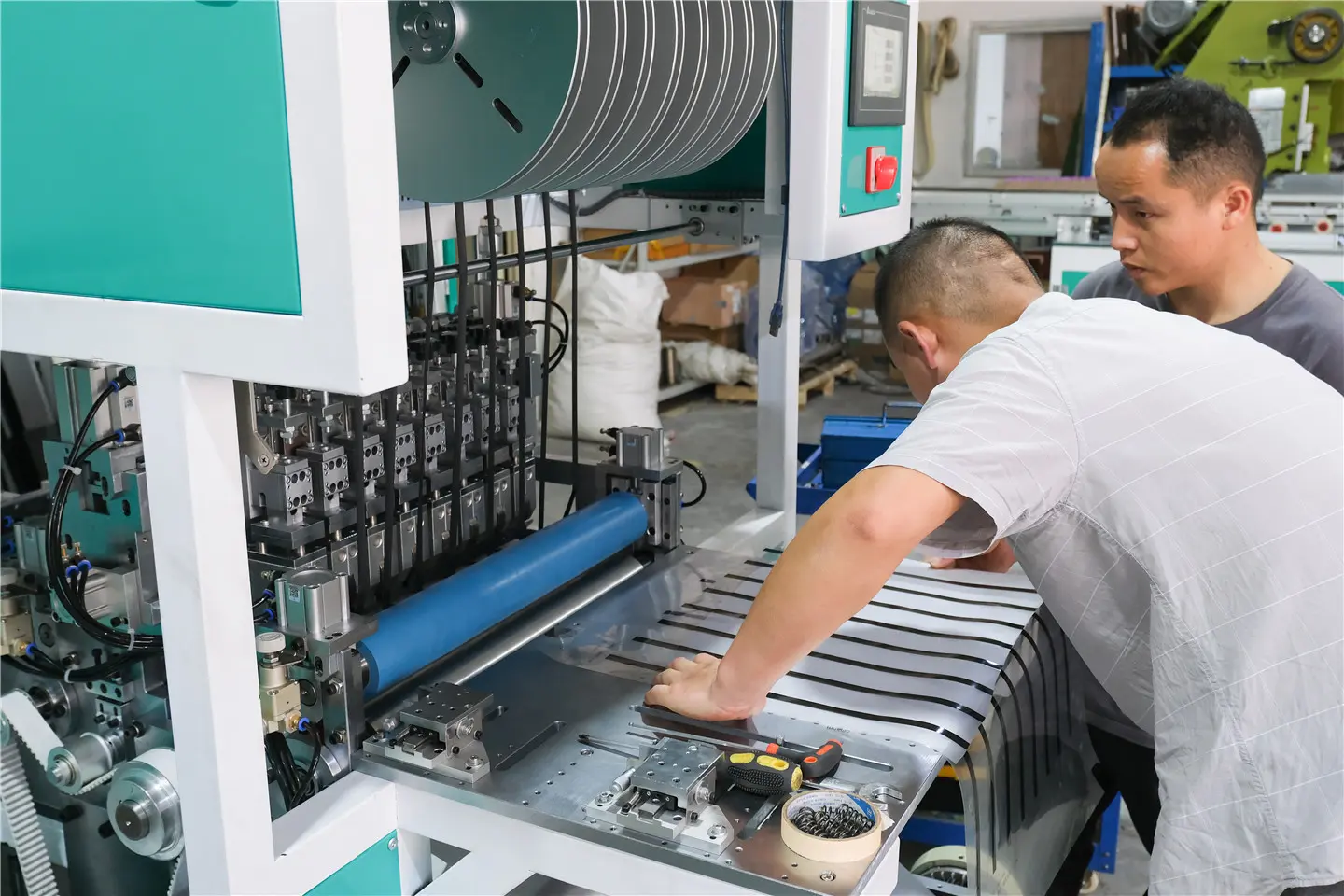
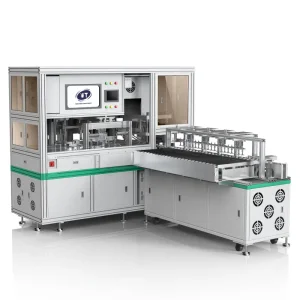
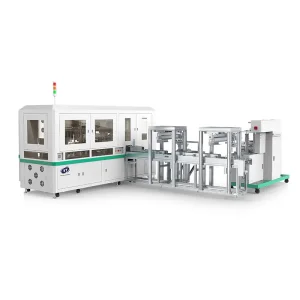
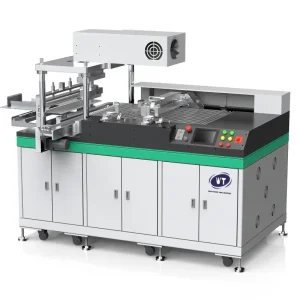
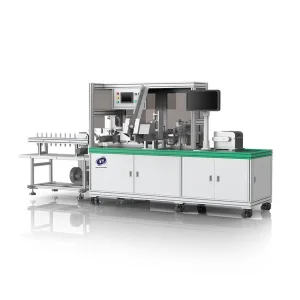
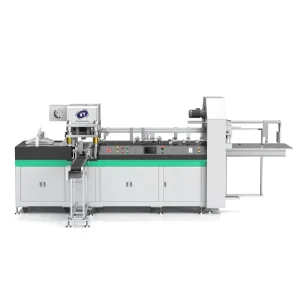
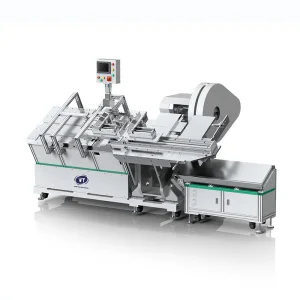
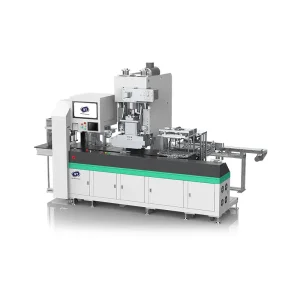
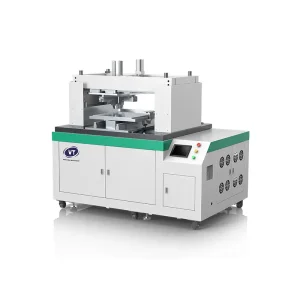
Our Step-by-Step Feeding Die-Cutting Machine utilizes high-torque Panasonic or Yaskawa servo drives that feed paper, plastic, or magnetic sheets into the cutting zone with mechanical accuracy. This step-feeding framework enables the processing of complex materials—including multi-layered PVC, flexible magnetic media, and heavy greyboards—without surface scratching or alignment errors. Optical sensors detect register marks in real-time, executing micro-adjustments on the fly to compensate for print distortions.
2. High-Force Hydraulic Systems
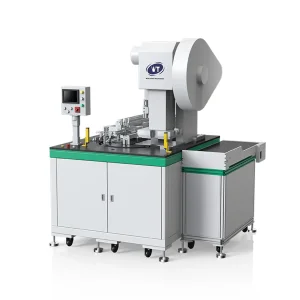
For thick materials such as board book inner pages and dense cardboard packaging, our machines exert up to 30 tons of uniform hydraulic pressure. A custom-engineered platen system ensures that the pressure is evenly distributed across the entire sheet surface, eliminating ragged edges and clean-cut failures. This level of rigidity is crucial for regional book manufacturers in Ziguinchor catering to local schools, where durability and pages that lay flat are strict quality metrics.
| System Component | Technical Specification | Application Benefits for Ziguinchor Factories |
|---|---|---|
| Servo Controller | Closed-loop, real-time feedback (±0.05mm accuracy) | Consistent cutting depth even during local voltage variances. |
| Hydraulic Pump | Energy-efficient variable displacement pump | Reduces thermal output, extending fluid life in high-temp regions. |
| Feeder Section | Non-marking vacuum suction with dust separation | Handles locally-sourced recycled or uncalibrated paperboard safely. |
| Safety Systems | Multi-point light curtain barriers with auto-shutoff | Protects operators, complying with strict international safety standards. |
Operational Resilience: Overcoming West African Infrastructure Challenges
Deploying heavy manufacturing systems in West Africa demands deep consideration of ambient environmental conditions. Operating machinery under Ziguinchor's high relative humidity and dry, dust-heavy Harmattan seasons requires active preventative engineering. Wentong Machinery has addressed these requirements through several key adaptations:
- IP54 Sealed Control Cabinets: Dust intrusion is a major driver of electrical failure in tropical zones. Our control enclosures are fully sealed and equipped with air-to-air heat exchangers, protecting sensitive PLCs and variable-frequency drives from dust and moisture.
- Extended Cooling Systems: We integrate oversized oil-coolers in our hydraulic units, preventing thermal degradation of lubricants when ambient warehouse temperatures exceed 40°C.
- Power Conditioning Modules: Fluctuating municipal grids can disrupt digital logic. Our systems support wide-input voltage margins and can be fitted with auxiliary line conditioners to handle local voltage drops without cycle interruptions.