Advancing Seattle's Industrial Precision with High-Efficiency Automation Solutions
High-performance machinery designed for the Pacific Northwest's specific industrial requirements.
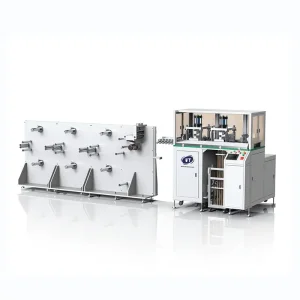
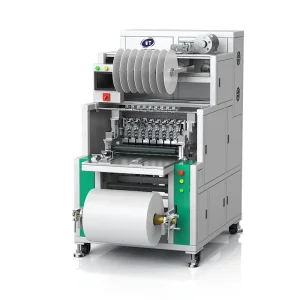
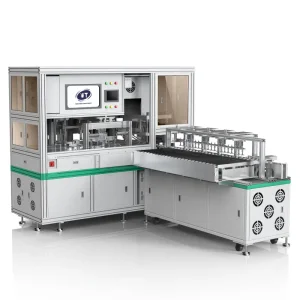
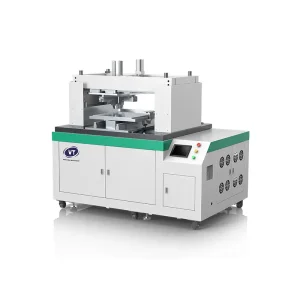
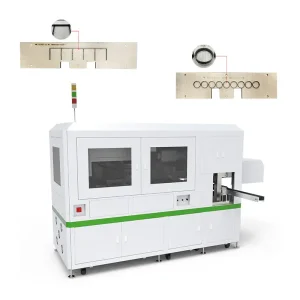
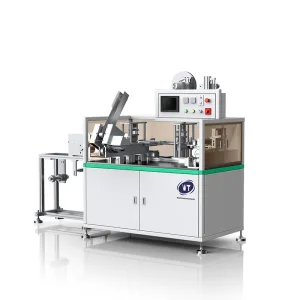
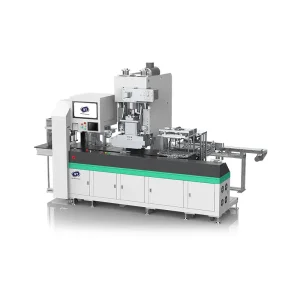
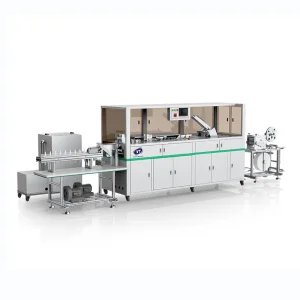
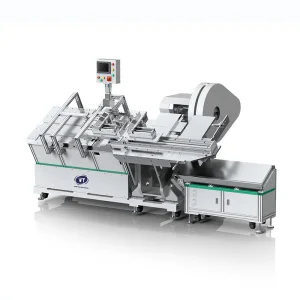
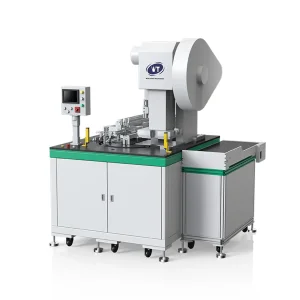
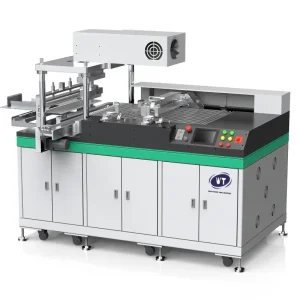
Seattle, often celebrated for its software and aerospace sectors, maintains a robust industrial core in the Kent Valley and surrounding regions. The demand for Book Coil Die Cutting Machines has surged as Seattle-based publishers and educational material producers shift toward high-tactile, durable board books and spiral-bound manuals. Unlike traditional flat-sheet cutting, coil-compatible die cutting requires a unique registration precision to ensure that the punched holes for wire-o or plastic coils align perfectly with the die-cut edges.
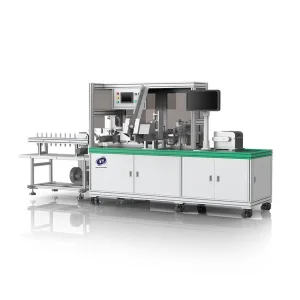
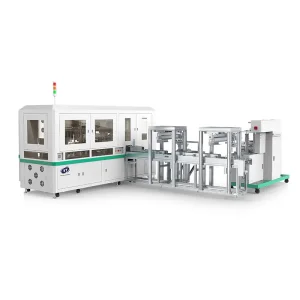
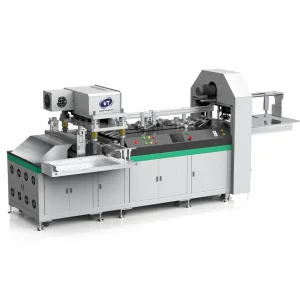
Globally, the industry is witnessing a "Precision Pivot." Manufacturers are moving away from manual hydraulic presses toward servo-driven, PLC-controlled systems. This is particularly vital in markets like North America, where labor costs necessitate machines that can operate with minimal supervision while maintaining 0.1mm accuracy.
Standard die-cutting focuses on the outer perimeter. However, Book Coil Die Cutting involves intricate internal geometries. Our machines utilize specialized "Steel Rule Dies" or "Solid Rotary Dies" that handle the unique stresses of thick board book substrates (up to 4mm) without deforming the fiber structure. This is critical for Seattle’s high-end tech manual market, where aesthetic quality is a direct reflection of brand authority.
High-rigidity frames to withstand 50+ tons of pressure without deflection.
Optional CCD systems to detect printing deviations before the cut happens.
Optimized for 2500-6000 sheets per hour, depending on substrate complexity.
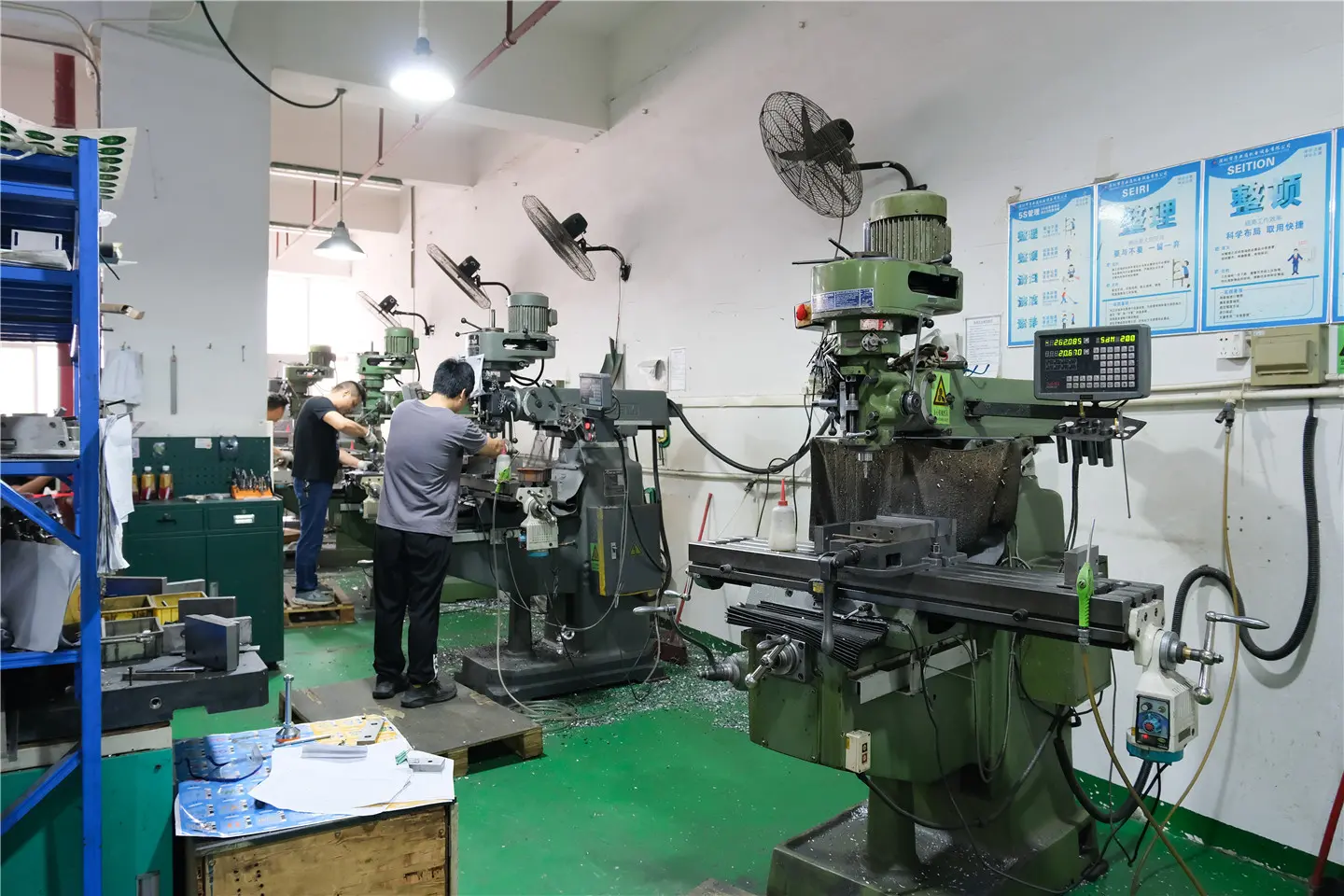
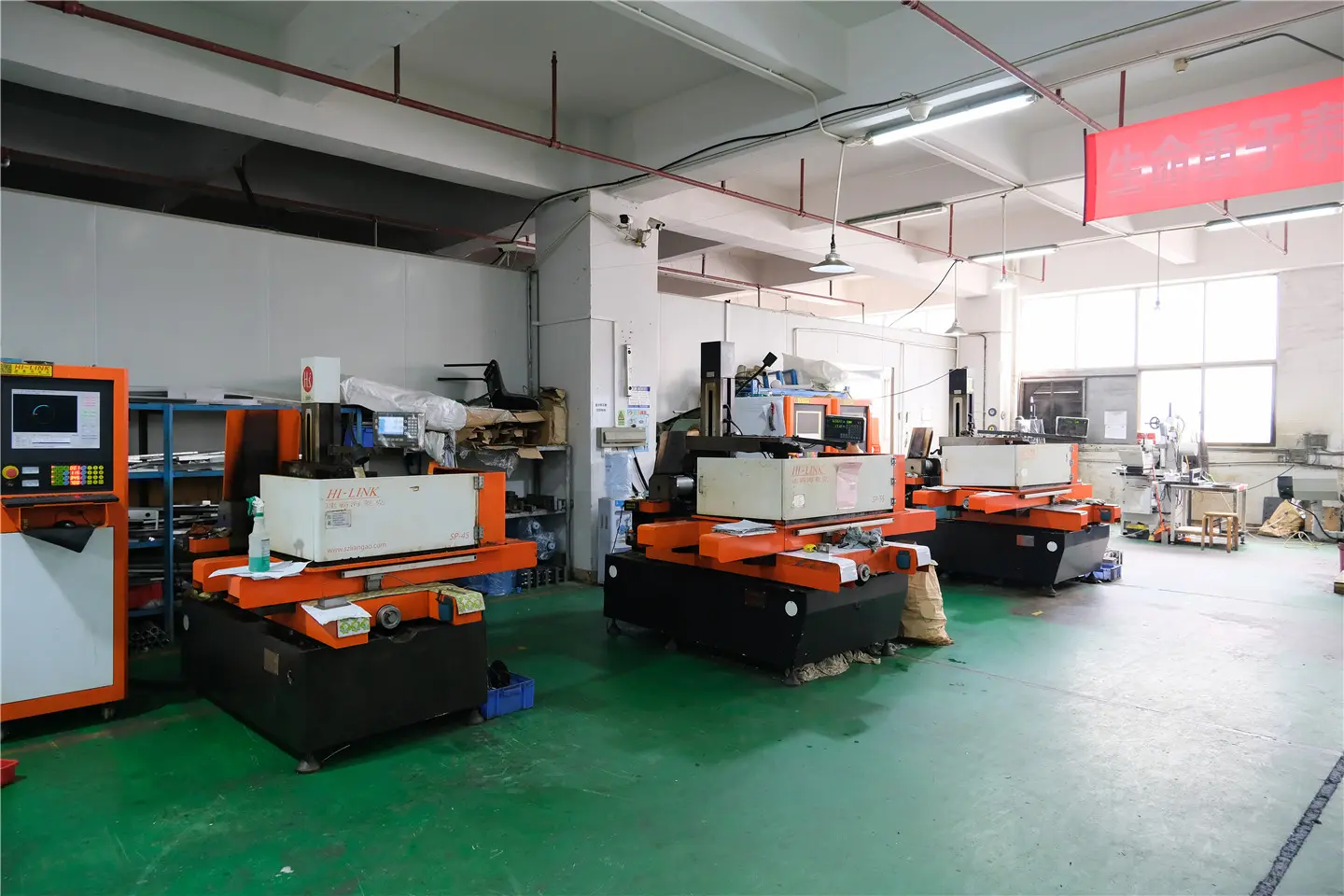
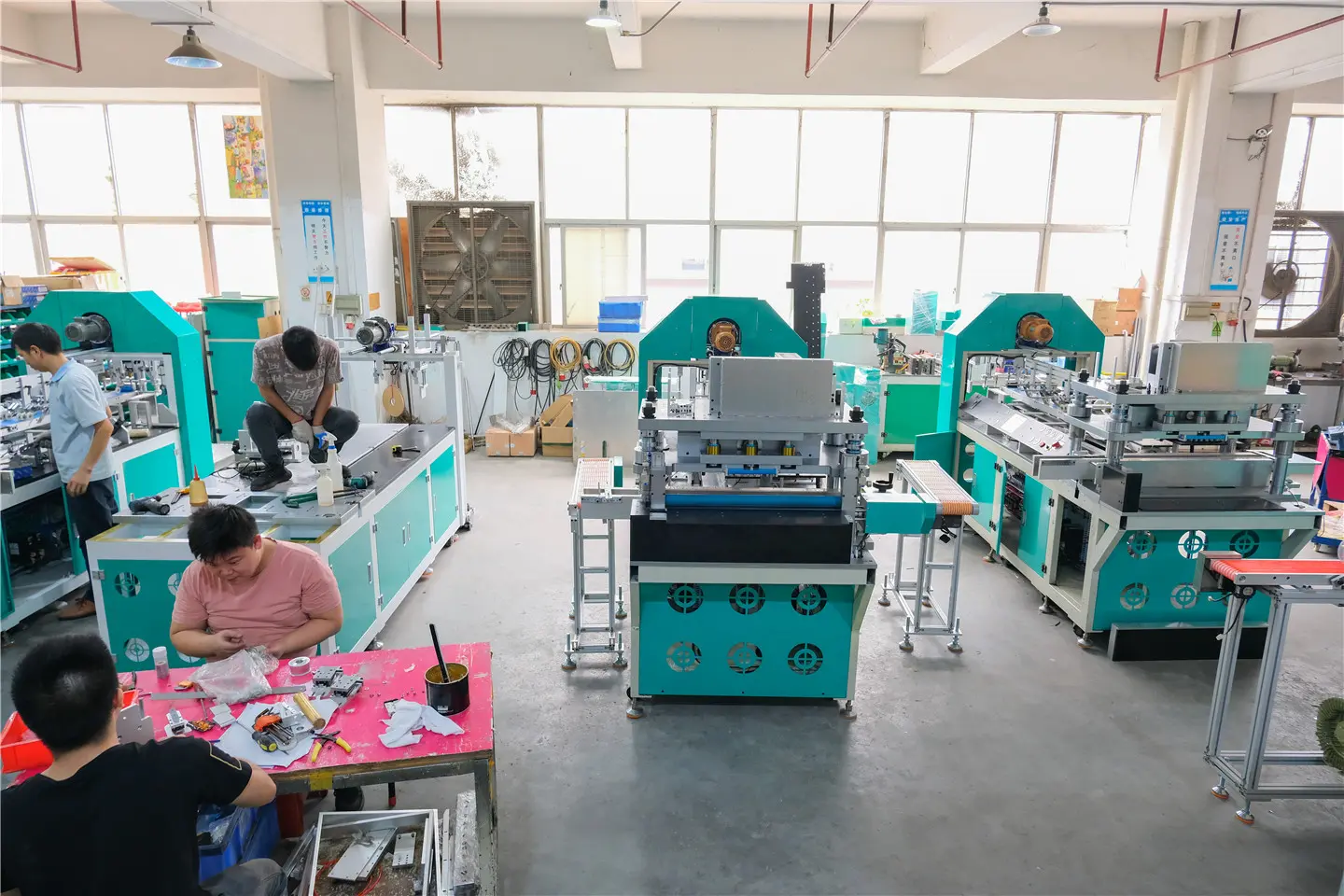
Located in the heart of China’s Silicon Valley—Shenzhen—Wentong Machinery Co., Ltd. leverages an unparalleled supply chain. While local Seattle suppliers offer proximity, our factory in the Guangming District offers rapid R&D cycles and cost-efficiency that are simply unattainable elsewhere.
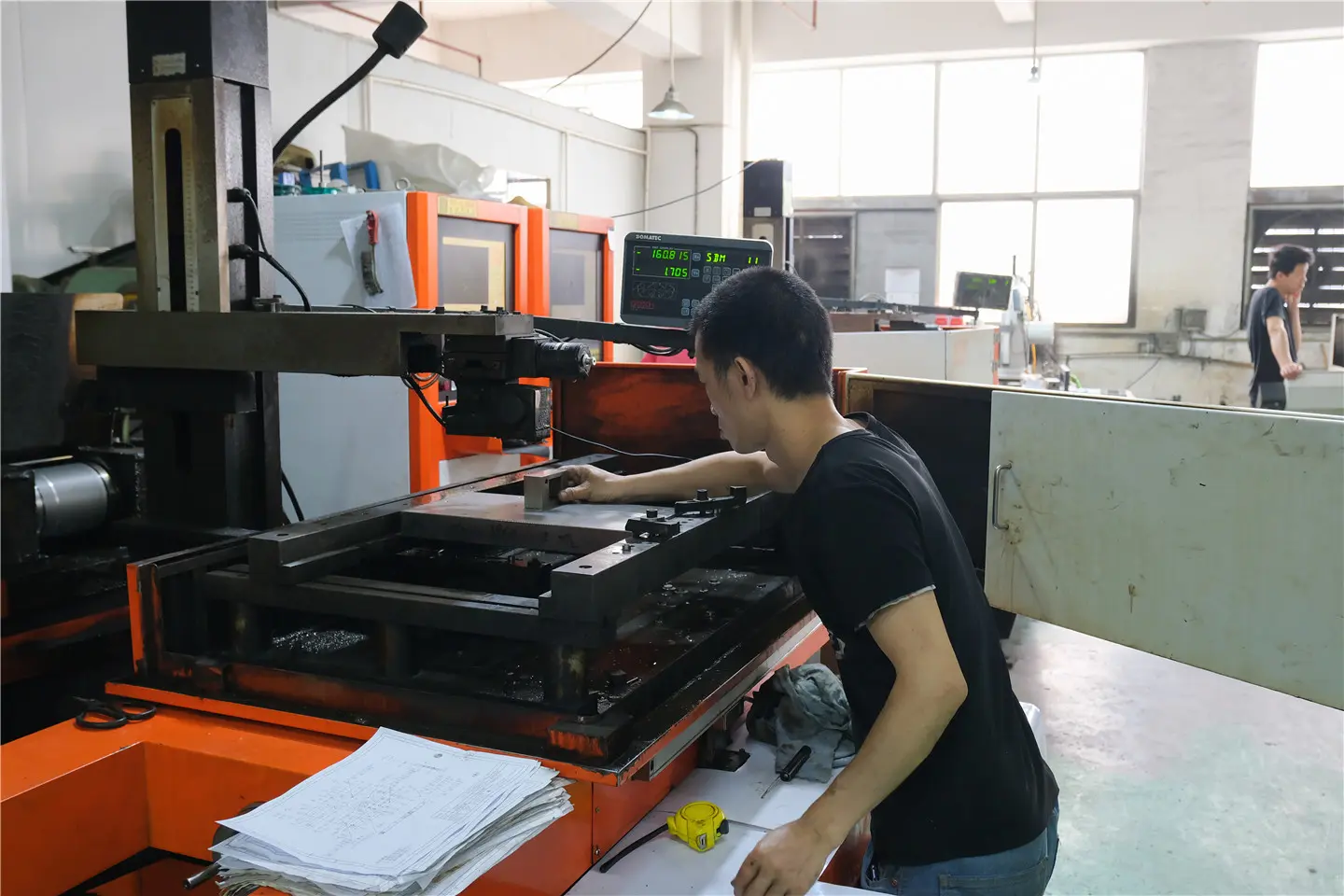
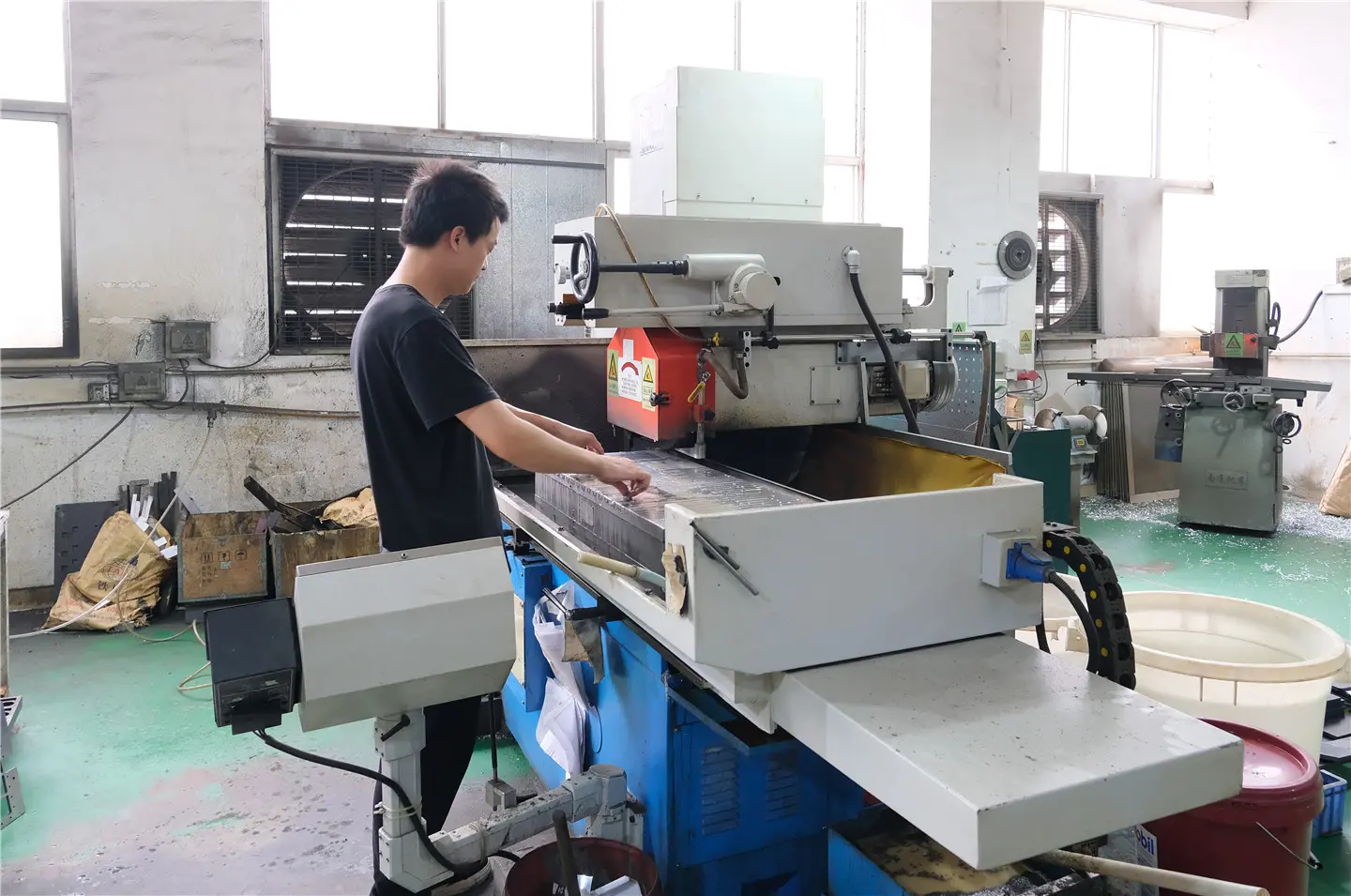
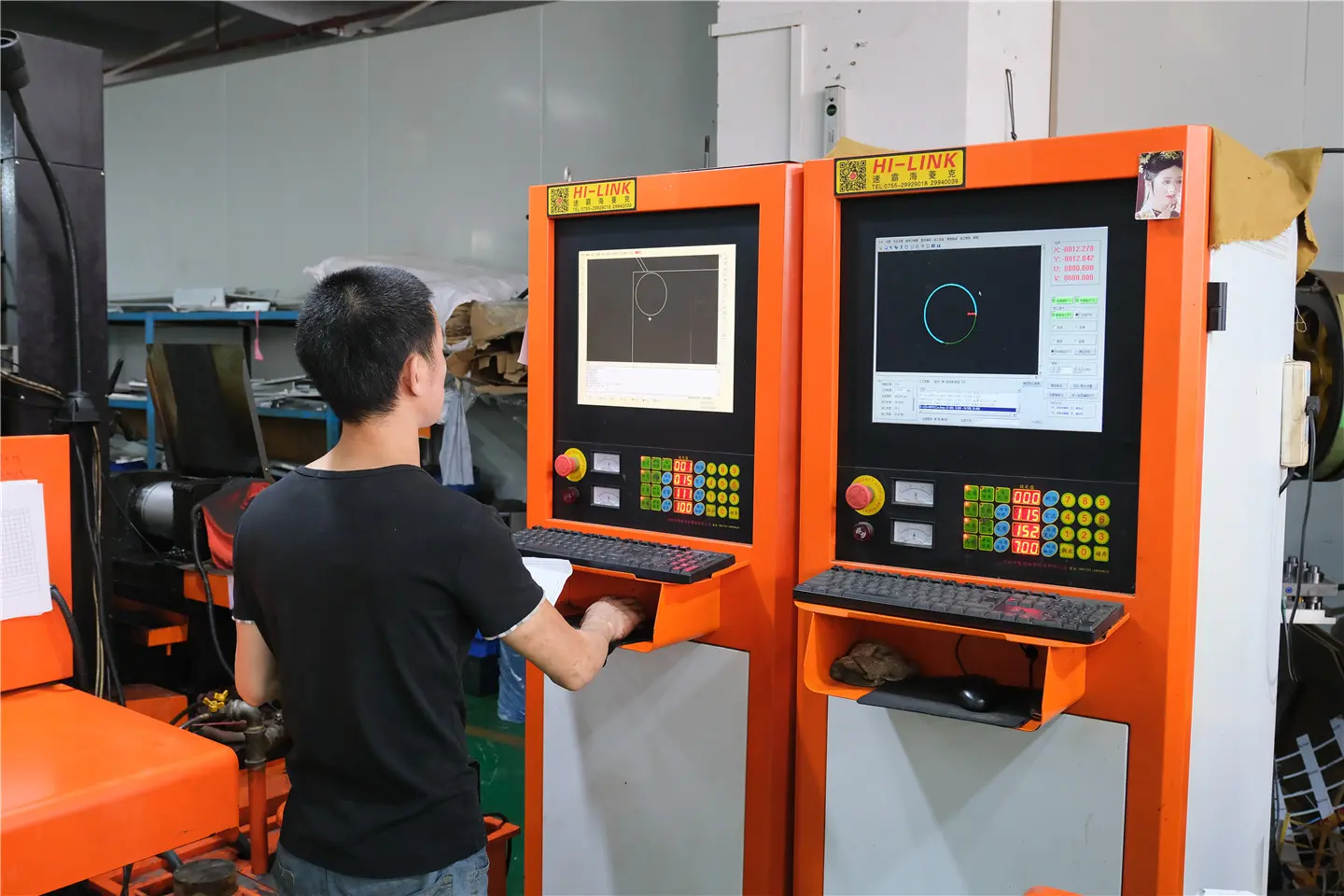
Efficiency Metrics: Our integration of the "5S Standard" and a 5,000sqm dedicated facility allows us to take a custom machine from concept to shipping in 45-60 days. For Seattle businesses, this means getting your production line up and running while competitors are still waiting for quotes.
| Feature | Traditional Suppliers | Wentong Machinery (China) |
|---|---|---|
| Customization Depth | Standard models only | Fully bespoke R&D based on samples |
| Lead Time | 6-9 Months | 2-3 Months |
| Tech Integration | Basic PLC | Advanced IoT & Remote Diagnostics |
| Price/Performance | High Overhead | Optimized Supply Chain Advantage |
Established in 2008, Wentong has over 20 years of experience in developing smart card machines and post-press equipment. Our journey began with a focus on precision card punching, but as the market evolved, so did our expertise. Today, we hold numerous invention patents and utility model patents, specifically in the realm of automated children’s book production.
Year Established
Factory Space
Global Patents
Countries Served
Our commitment to Seattle and the North American market involves more than just selling machines. We provide Equipment Installation, Debugging, and Training Services. If a machine in a Seattle facility faces downtime, our engineers provide video guidance or site visits, supported by a ready-to-ship inventory of belts, rollers, and buckles.
The "Seattle Market" is synonymous with innovation. Looking toward 2025-2030, we see three major trends in the book and card production industry:
Join dozens of Seattle manufacturers who have upgraded to Wentong’s precision machinery.
 Wentong Machinery