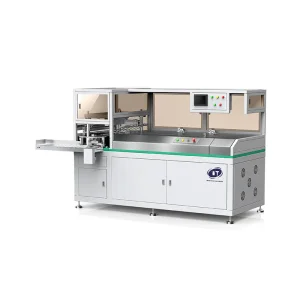
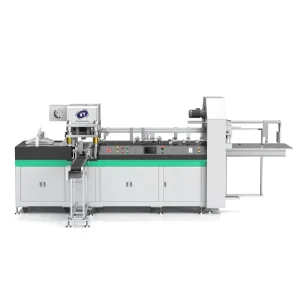
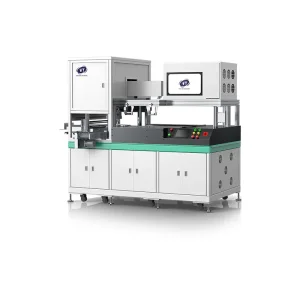
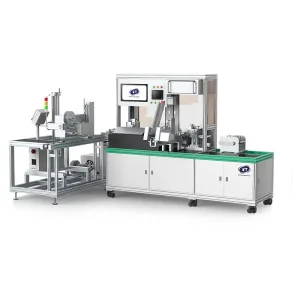
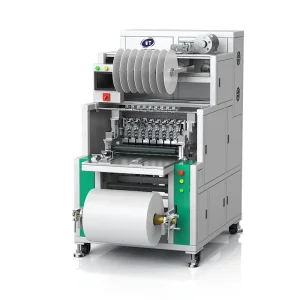
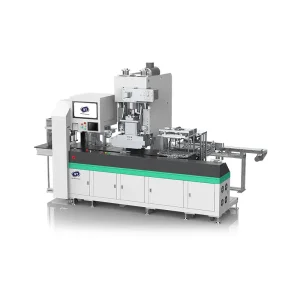
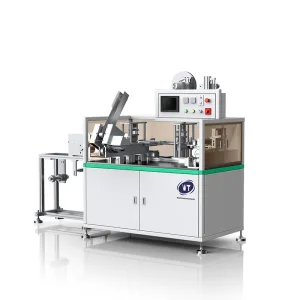
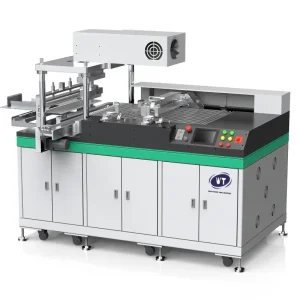
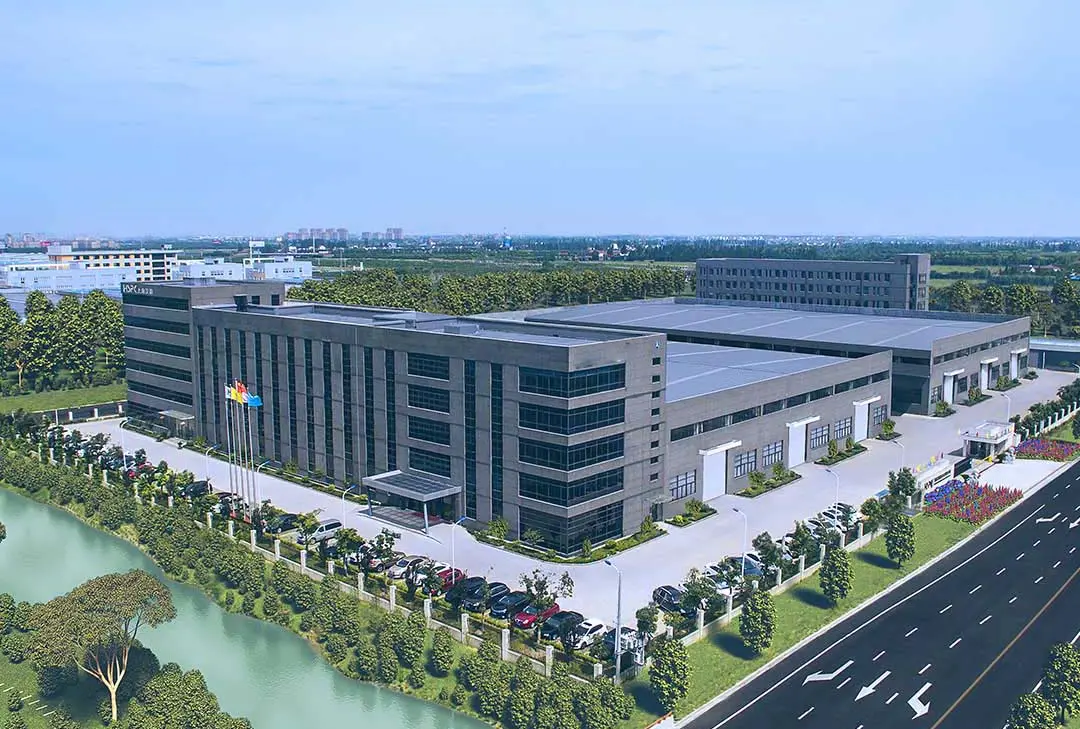
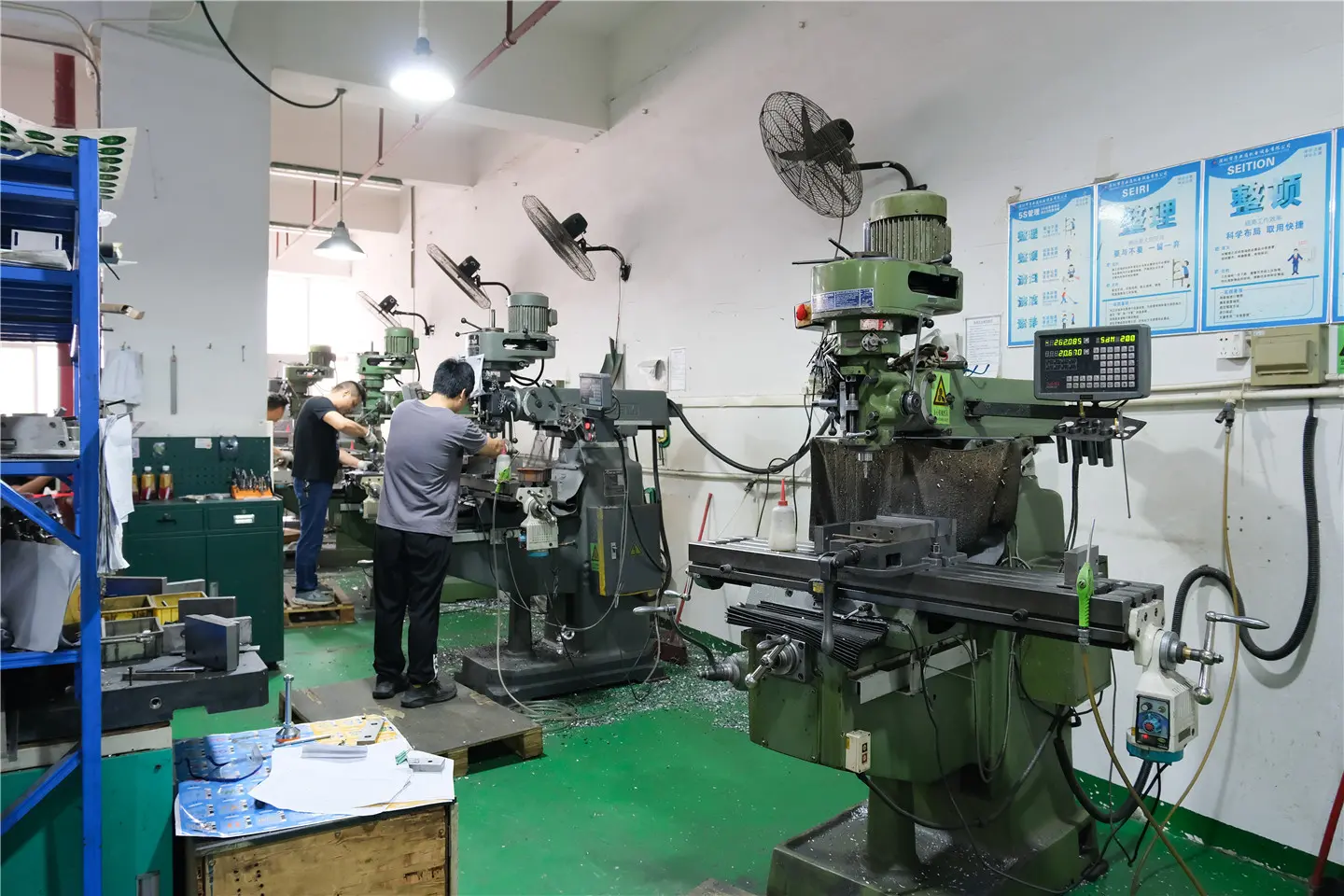
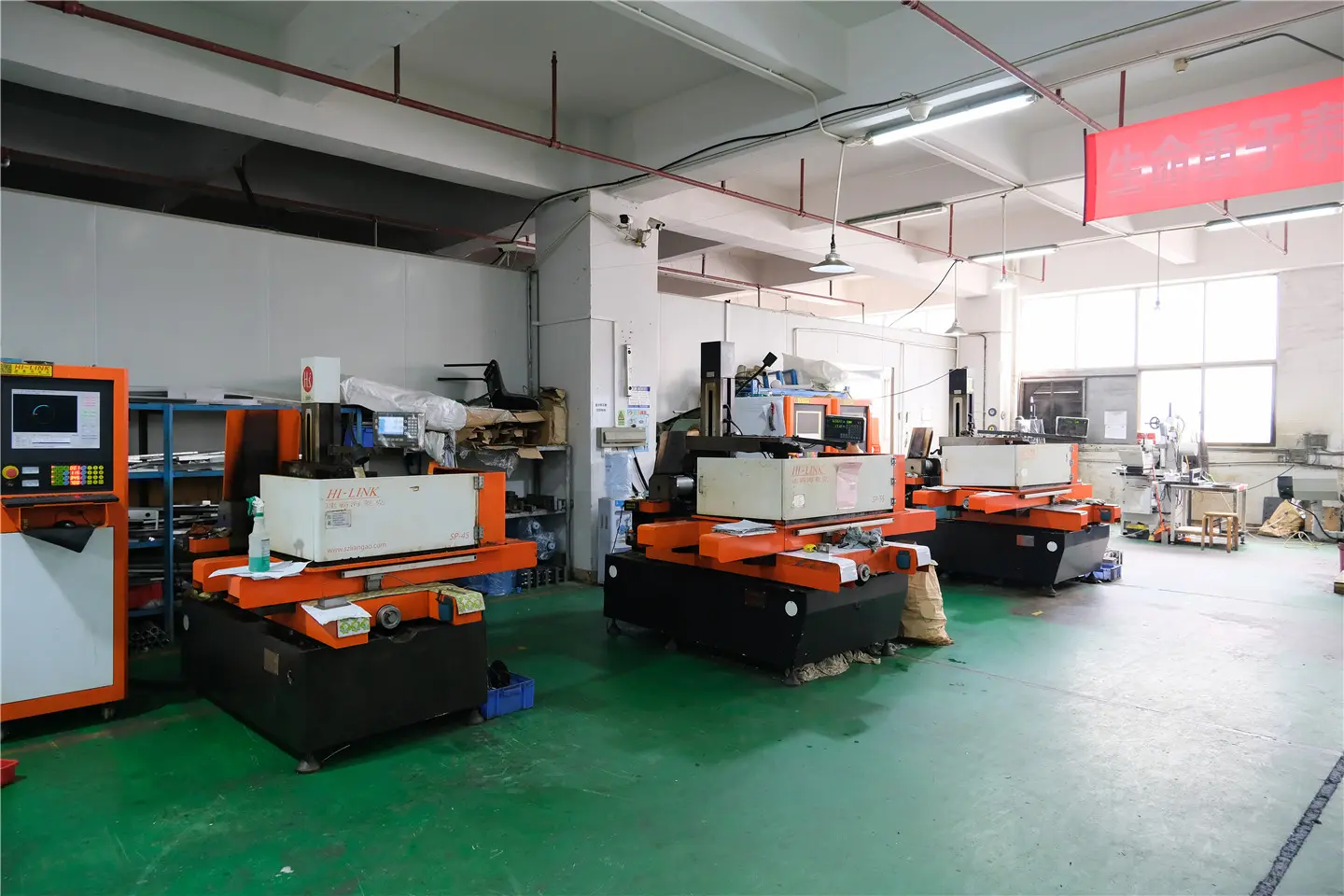
Established in 2008, Wentong Machinery Co., Ltd. has spent 20+ years mastering the precision of hydraulic systems. Based in the Guangming District of Shenzhen, our 5,000sqm facility operates under strict 5S standards, ensuring every hydraulic paper punching machine exceeds industrial reliability metrics.
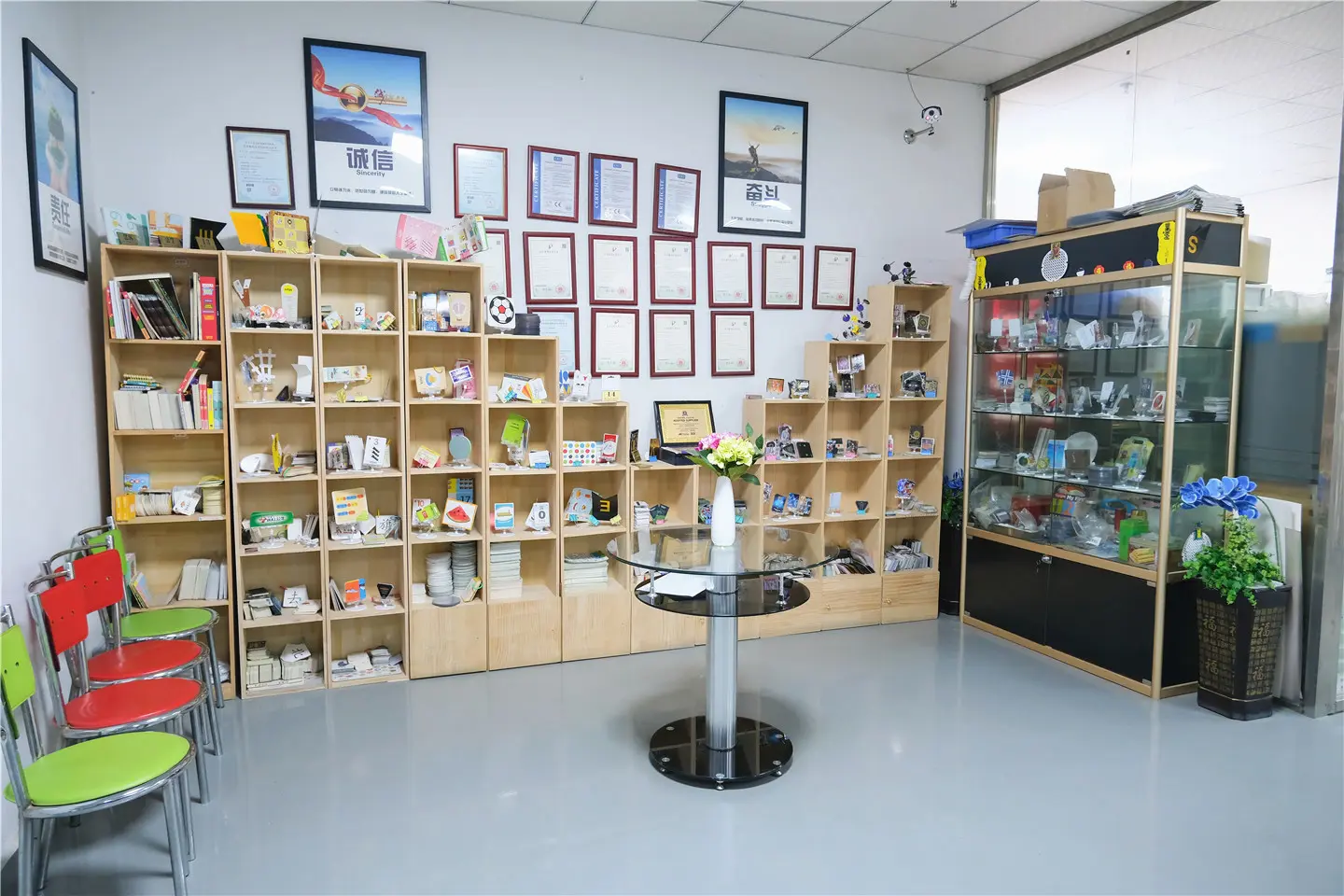
Our commitment to "Information Gain" is backed by numerous invention patents and utility model patents. We don't just assemble machines; we design the proprietary hydraulic valves and servo-control logic that define modern card production efficiency.
From North America to Southeast Asia, Europe to Africa, Wentong's footprint is a testament to our cross-border reliability. We provide localized support, ensuring machines meet CE and regional safety compliance for seamless integration into international workflows.
The transition from mechanical flywheel punching to high-pressure hydraulic systems represents a paradigm shift in the paper processing industry. Our technical roadmap focuses on three pillars: Precision, Adaptability, and Intelligence.
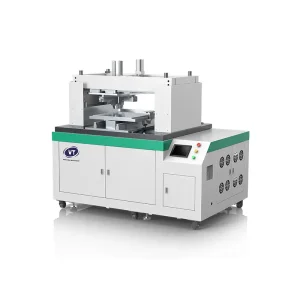
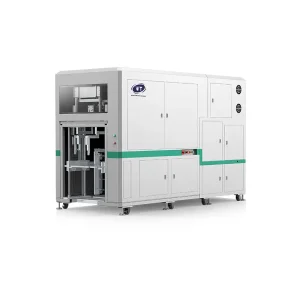
Unlike mechanical punchers, hydraulic paper punching machines provide constant pressure throughout the stroke. This is critical for high-GSM board books and plastic cards, where uneven pressure results in edge burrs or delamination. Our machines utilize proportional valve technology to allow micron-level adjustments in cutting force.
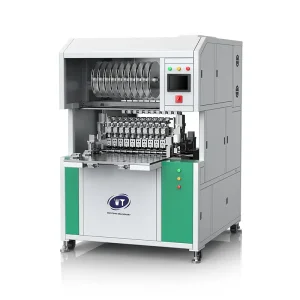
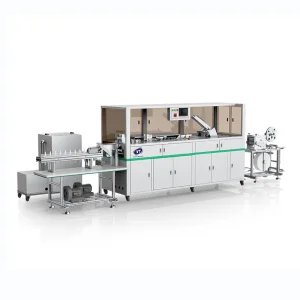
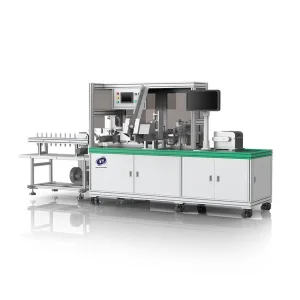
Located in the heart of Shenzhen's tech hub, Wentong leverages the world's most robust electronics and steel supply chain. This "Industry 4.0" readiness allows us to integrate AI-driven visual positioning systems (as seen in our single-mode visual positioning cutters) which reduce waste by 15-20% compared to manual alignment.
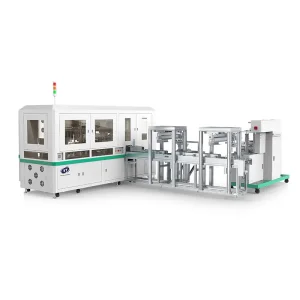
We provide end-to-end solutions for children's board books, smart cards (SIM/Bank), and specialized magnetic tape laying. Our machines are the backbone of the "Card-to-Consumer" supply chain.
Through the integration of IoT sensors, our latest hydraulic units can predict maintenance needs, reducing downtime for global enterprises who cannot afford production halts.
Every unit is designed with triple-redundancy safety light curtains and emergency stop protocols, meeting the rigorous health and safety standards of the EU and North American markets.
 Wentong Machinery